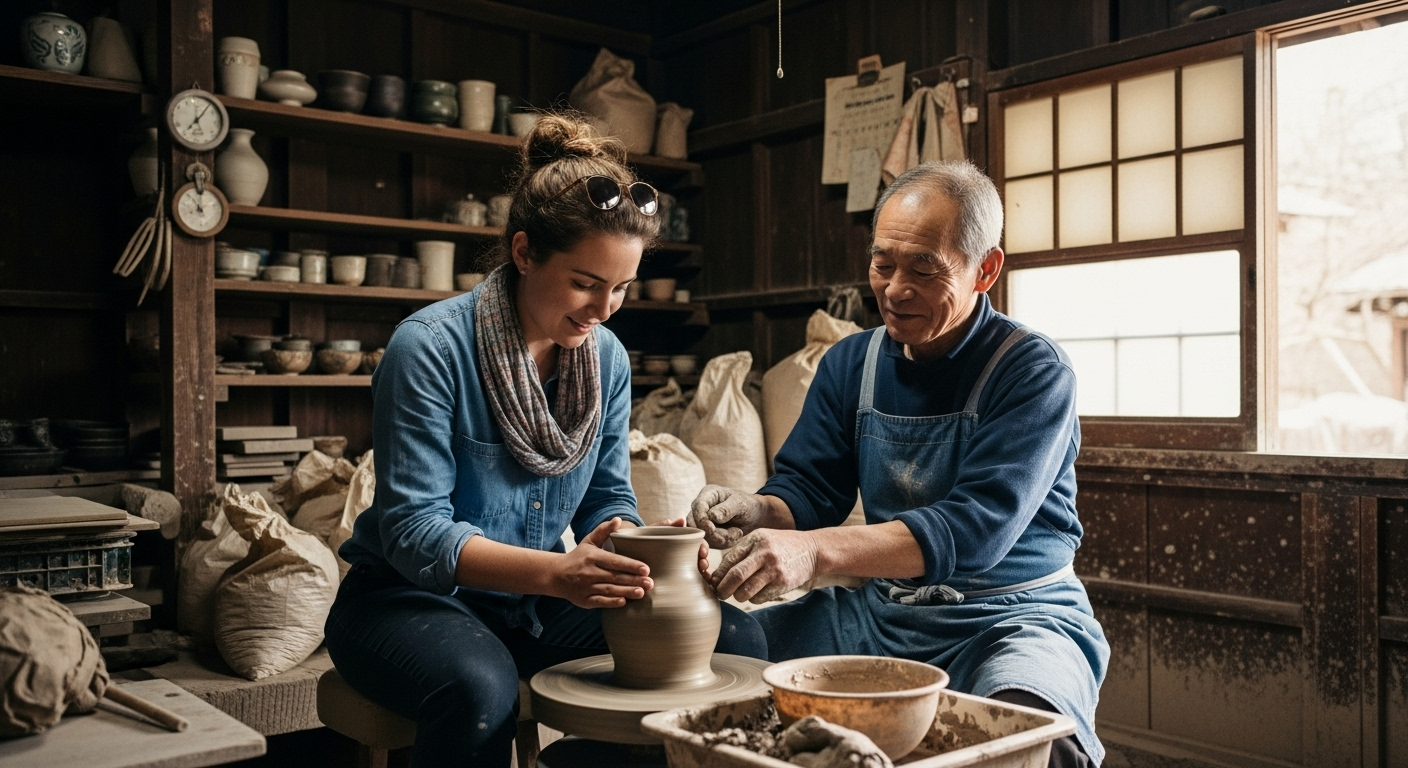
Have you ever wished you could step into another culture—not just as a tourist, but as a learner, a maker, someone who creates something lasting with your own two hands? The world is filled with incredible places where ancient crafts are still alive, waiting for curious travelers to discover them. In this blog, we’ll explore where to go when you want to learn a traditional craft, from pottery in Japan to weaving in Peru, from glassblowing in Italy to embroidery in India. Each destination tells a story — not just through its landmarks or cuisine, but through the things people have been making for centuries.
Traveling to learn a traditional craft is more than a hobby; it’s a way to connect deeply with history, heritage, and humanity. So, are you ready to trade your souvenirs for skills? Let’s get inspired and see where your creativity can take you.
Why Learn a Traditional Craft While Traveling?
Most of us travel to relax, explore, or eat. But imagine coming home not just with memories — but with a skill that ties you to a culture forever. Learning a traditional craft immerses you in local life in a way that no tour ever could. You’ll meet artisans, understand their challenges, and experience the patience, focus, and artistry that go into handmade work.
Plus, traditional crafts often reflect a region’s natural resources, climate, and culture. The wool weaving of the Andes, for instance, wouldn’t exist without alpacas grazing high in the mountains. The ceramics of Morocco are shaped by both the country’s clay and its rich history of Islamic design. Each handmade object is a mirror of the land and its people.
1. Japan – Pottery, Indigo Dyeing, and Woodworking
Japan is one of the best places to explore if you want to learn a traditional craft. The country’s dedication to craftsmanship, or “shokunin,” goes back hundreds of years. You can take pottery classes in Kyoto, where ceramic traditions like Kiyomizu-yaki are still alive, or try indigo dyeing in Tokushima, known for its deep blue Awa indigo.
For woodworking enthusiasts, head to Takayama in the Japanese Alps. The carpentry here is renowned for its precision — temples and shrines built centuries ago still stand strong without nails. Imagine spending a week learning joinery techniques that have been passed down for generations. Sounds peaceful, doesn’t it?
2. Morocco – Ceramics and Zellige Tilework
Morocco’s craft culture is vibrant, colorful, and mesmerizing. In cities like Fes and Marrakech, artisans create exquisite zellige tiles — intricate mosaics made by hand-cutting and fitting geometric pieces together. Learning this craft means immersing yourself in patience and precision. You’ll quickly understand why these designs are symbolic of Moroccan spirituality and artistry.
You can also try your hand at traditional ceramics in Safi, where workshops welcome visitors to mold, glaze, and fire pottery. The rhythm of Moroccan craftsmanship has a meditative quality — it’s an experience that stays with you long after your trip ends.

3. Italy – Glassblowing in Venice and Leatherwork in Florence
Italy has a long-standing reputation for artistry, and when it comes to hands-on experiences, few places compare. Venice’s island of Murano is world-famous for its glassblowing. Here, you can watch masters transform molten glass into delicate works of art — and even try making your own piece under expert guidance.
In Florence, leatherworking reigns supreme. The city’s narrow lanes are lined with family-run workshops where you can learn how to craft wallets, journals, or handbags using traditional techniques. The smell of leather, the hum of sewing machines, and the soft glow of craftsmanship — it’s pure magic for creative travelers.
4. India – Embroidery, Block Printing, and Pottery
India is a treasure chest of traditional crafts, and every state has its own specialty. In Rajasthan, you can join a block printing workshop in Jaipur, where artisans carve wooden stamps and print colorful patterns onto fabric using natural dyes. In Gujarat, embroidery styles like Kutch work sparkle with mirrors and threads of gold. Down south in Pondicherry or Tamil Nadu, pottery workshops welcome beginners to mold their first clay creations.
What’s special about India is that every craft is tied to storytelling — patterns often depict local legends or daily life. When you learn these techniques, you don’t just make art — you keep an ancient narrative alive.
5. Peru – Weaving and Natural Dyeing in the Andes
In the Peruvian Andes, weaving isn’t just a skill — it’s a legacy. Communities like Chinchero near Cusco invite travelers to learn the entire process, from shearing alpaca wool to spinning, dyeing with natural colors, and weaving intricate patterns on traditional looms. Each pattern has a meaning, representing mountains, rivers, or ancestral symbols.

If you’ve ever admired a handwoven scarf or blanket, learning how it’s made in the heart of the Andes will deepen your appreciation. And who knows — you might even come home wearing something you made yourself!
6. Indonesia – Batik and Silver Jewelry
Indonesia’s island of Java is home to batik — a wax-resist dyeing technique that’s been recognized by UNESCO as a Masterpiece of Oral and Intangible Heritage. In Yogyakarta or Solo, you can learn how to apply wax patterns and dye fabrics layer by layer, creating mesmerizing designs. The patience it takes is immense, but the reward is pure artistry.
For something shinier, head to Bali, where local silversmiths offer workshops in jewelry-making. Whether you’re crafting a simple ring or a complex pendant, you’ll find joy in the process of transforming raw silver into wearable art.
7. Mexico – Pottery, Embroidery, and Folk Art
Mexico’s artistic soul shines through its crafts. In Oaxaca, you can take pottery classes in the traditional black clay technique known as barro negro. In Chiapas, learn embroidery from Indigenous women whose techniques have been passed down for centuries. And if you love color, explore alebrijes — the fantastical painted creatures that originated in the country’s folk art scene.
Learning these crafts isn’t just about making art — it’s about connection. Every stitch, every brushstroke carries a story, and artisans are eager to share their culture with those who care to learn.
8. Turkey – Carpet Weaving and Ebru (Marbling Art)
Turkey is another dream destination for those wanting to explore ancient crafts. In Cappadocia or Istanbul, you can learn the art of Turkish carpet weaving — a craft that blends patience, precision, and symbolism. Each motif represents protection, love, or good fortune.
If textiles aren’t your thing, try Ebru — the mesmerizing art of marbling. Using pigments that float on water, artists create swirling patterns that are transferred to paper. The process feels like meditation — slow, beautiful, and utterly unique.
9. Ghana – Kente Weaving and Bead-Making
In West Africa, Ghana’s traditional crafts are a celebration of color and culture. Kente cloth weaving, originally reserved for royalty, involves intricate patterns that symbolize proverbs, historical events, and moral lessons. In villages like Bonwire, you can try your hand at weaving and learn how each thread carries meaning.
Bead-making, another local specialty, uses recycled glass and natural dyes to create beautiful jewelry. It’s sustainable art — and a wonderful reminder that beauty can be born from creativity and conscience.
10. France – Perfume Crafting and Bookbinding
France’s artistry extends far beyond fashion. In Grasse, the world’s perfume capital, you can take workshops to create your own fragrance — blending floral, citrus, and woody notes under expert guidance. In Paris, traditional bookbinding workshops teach travelers the timeless craft of stitching and covering books by hand. There’s something deeply satisfying about crafting something tactile and beautiful in the digital age.
Why These Experiences Matter
In a world of mass production, learning a traditional craft helps us slow down. It reminds us of the beauty in imperfection and the value of things made by hand. Every piece you make carries the memory of the place, the people, and the patience you found there.
These workshops also support local communities. When travelers choose to learn rather than just buy, they help preserve cultural heritage and sustain generations of artisans who might otherwise lose their livelihoods.
Tips for Craft Travelers
- Research local cooperatives — they often offer authentic workshops.
- Be patient — mastering even one technique takes time.
- Ask permission before photographing artisans at work.
- Support fair trade — pay fairly for your learning experience.
Have you ever learned a traditional craft while traveling? Maybe you’ve tried pottery, weaving, or something completely unexpected? Share your story — we’d love to hear what you made and how it changed your perspective!
Travel is often about seeing, but the best journeys are about doing. When you learn a traditional craft, you take home more than souvenirs — you carry a piece of the world’s heritage within you. So next time you plan a trip, don’t just ask where to go — ask what you can learn.
Follow us on our social media platforms for more stories, destinations, and inspiration from around the world.
Catch up on the top stories and travel deals by subscribing to our newsletter!