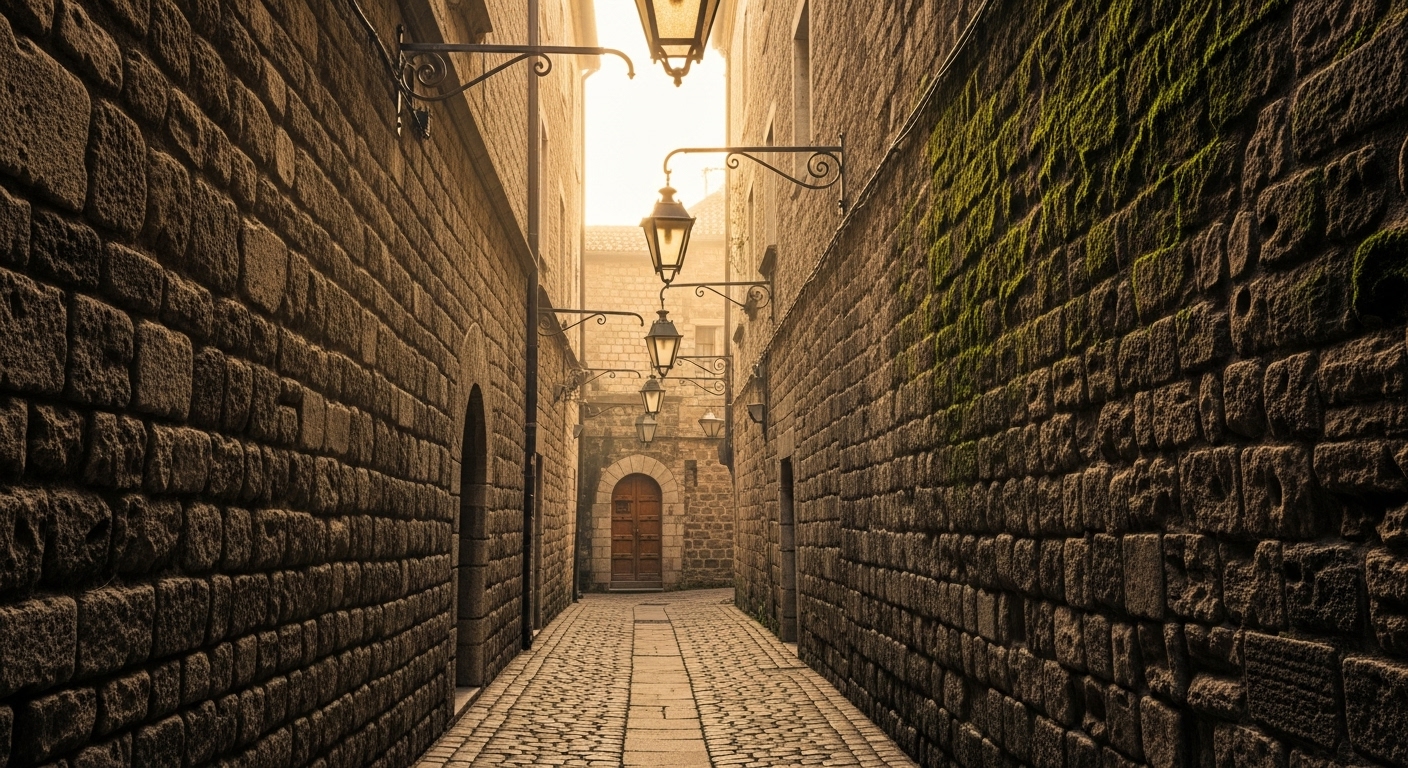
When most people imagine exploring a city, they picture grand boulevards, famous squares, or iconic landmarks. Yet in many destinations around the world, the real magic lives somewhere else entirely. In several cities where alleyways are the main attractions, narrow lanes, hidden passages, and winding backstreets reveal more personality than any major avenue ever could.
These alleyways are not shortcuts or forgotten spaces. Instead, they act as living museums filled with history, local life, street food, art, and stories passed down for generations. Walking through them feels less like sightseeing and more like stepping inside the city’s heartbeat.
Have you ever noticed how the most memorable travel moments often happen far from the main road? Or how a quiet alley can tell you more about a city than its busiest street? Let’s explore places where alleyways aren’t just paths — they are the destination.
Why Alleyways Matter More Than Main Streets
Alleyways developed organically long before modern city planning. They connected homes, markets, workshops, and religious spaces. Because of this, they often preserve traditions that wide roads replaced elsewhere.
Moreover, alleyways encourage slower movement. People talk, cook, trade, and relax in these spaces. As a result, travelers experience authentic daily life rather than staged attractions.
Kyoto, Japan: Alleys of Tradition and Silence
Kyoto’s narrow alleyways, especially in districts like Gion and Pontocho, define the city’s charm. These lanes hide teahouses, traditional inns, and centuries-old wooden homes.
Walking here feels intimate and respectful. Sounds soften, movements slow, and every doorway seems to hold a story. For more on Kyoto’s heritage, visit Kyoto City Tourism.
Fez, Morocco: The World’s Largest Living Alley Network
Fez is home to one of the world’s largest car-free urban zones. Its medina contains thousands of interconnected alleyways forming a complex maze.
Here, alleyways serve as marketplaces, social hubs, and workshops. Donkeys replace cars, voices echo off ancient walls, and daily life unfolds in tight spaces. UNESCO recognizes Fez for preserving this unique urban fabric through UNESCO World Heritage.
Venice, Italy: Where Alleys Replace Streets
Venice’s calle, or alleyways, are often narrower than expected. Some are so tight that two people can barely pass each other.
These alleys guide visitors away from crowded canals into quieter neighborhoods. Along the way, you discover hidden courtyards, local bakeries, and everyday Venetian life. Learn more via Venezia Unica.
Barcelona, Spain: Gothic Quarter Backstreets
Barcelona’s Gothic Quarter thrives on its maze-like alleys. Roman walls, medieval buildings, and modern street life exist side by side.
As you wander, sunlight filters through narrow gaps, creating dramatic shadows. Cafés spill into tiny plazas, and music drifts through stone corridors. Official city info is available at Barcelona Turisme.

Istanbul, Turkey: Alleys Where Cultures Intersect
Istanbul’s alleyways connect continents, cultures, and centuries. In neighborhoods like Balat and Beyoğlu, narrow streets reveal colorful houses, street vendors, and historic places of worship.
These alleys show how communities coexist. Turning one corner can shift the atmosphere completely, offering a layered cultural experience. Airlines like Turkish Airlines connect travelers to this crossroads city.
Naples, Italy: Life Spilling Into the Streets
In Naples, alleyways are extensions of living rooms. Laundry hangs overhead, conversations echo between balconies, and food aromas fill the air.
These streets pulse with energy. Rather than avoiding them, visitors quickly realize that alleyways offer the city’s most genuine experiences.
Hanoi, Vietnam: The Old Quarter’s Living Alleys
Hanoi’s Old Quarter consists of narrow lanes historically organized by trade. Each alley once specialized in a particular craft or product.
Today, those alleyways remain active with shops, food stalls, and homes stacked vertically. Staying nearby through platforms like Booking.com allows travelers to explore early mornings and late evenings.
Why Travelers Fall in Love With Alleyway Cities
Alleyways create intimacy. They slow you down, encourage curiosity, and invite interaction. Unlike main streets, they don’t rush you forward.
Many travelers discover that the moments they remember most happen unexpectedly — a street performance, a hidden café, or a local greeting. Wouldn’t you rather explore a city’s soul than just its skyline?

How to Explore Alleyways Respectfully
Respect privacy and local customs. Many alleyways are residential spaces first and tourist attractions second.
Move slowly, observe quietly, and ask permission before photographing people or homes. This approach not only shows respect but also leads to warmer interactions.
The Future of Alleyway Tourism
As overtourism affects major landmarks, travelers increasingly seek authentic experiences. Alleyways offer exactly that.
Cities where alleyways are the main attractions remind us that travel isn’t always about size or scale. Sometimes, the narrowest paths lead to the richest stories.
Have you ever explored a city by wandering its alleyways instead of following maps? Which alley left the strongest impression on you?
For more hidden travel experiences, cultural discoveries, and offbeat destinations, follow WentWorld on our social media platforms and keep exploring beyond the obvious.
Catch up on the top stories and travel deals by subscribing to our newsletter!