Have you ever imagined a place where the constant hum of traffic is replaced by the sound of footsteps, laughter, and nature? A destination where streets aren’t dominated by cars but by people, bicycles, and vibrant public spaces? Well, such places aren’t just dreams—they exist. In this blog, we dive into cities with no cars, uncovering what makes them incredibly livable, eco-friendly, and downright enjoyable for travelers seeking something unique.
If you’re tired of honking horns, packed roads, and the hassle of traffic, these car-free cities might just be your next favorite destination. But what exactly makes a car-free city so magical? Let’s explore this new way of experiencing urban life—and how it’s changing the future of travel and city living.
The Appeal of Cities With No Cars
Why are more people raving about cities with no cars? Because they offer a travel experience that’s both peaceful and immersive. Imagine walking down stone-paved alleys without dodging vehicles or sipping coffee on a patio without engine noise interrupting your thoughts. That’s the joy of walkable cities.
Beyond aesthetics, car-free zones significantly improve air quality, promote health, and foster a stronger sense of community. With more space for walking, biking, and social interaction, these cities are designed for people, not vehicles. It’s an experience that feels more human, more connected.
1. Venice, Italy – The Original Car-Free City
Venice has always been one of the most famous cities with no cars. Built on over 100 small islands connected by canals and bridges, there’s simply no room for roads. Instead, the city relies on walking and water transport. Exploring Venice is like stepping into a different era—one where life moves at a gentler pace, and every corner is picturesque.
Stroll through St. Mark’s Square, take a gondola ride, or simply wander through the narrow alleyways. You’ll quickly realize how liberating it is not to worry about traffic or crossing streets. It’s a city where you can get blissfully lost and love every moment of it.
2. Giethoorn, Netherlands – The “Dutch Venice”
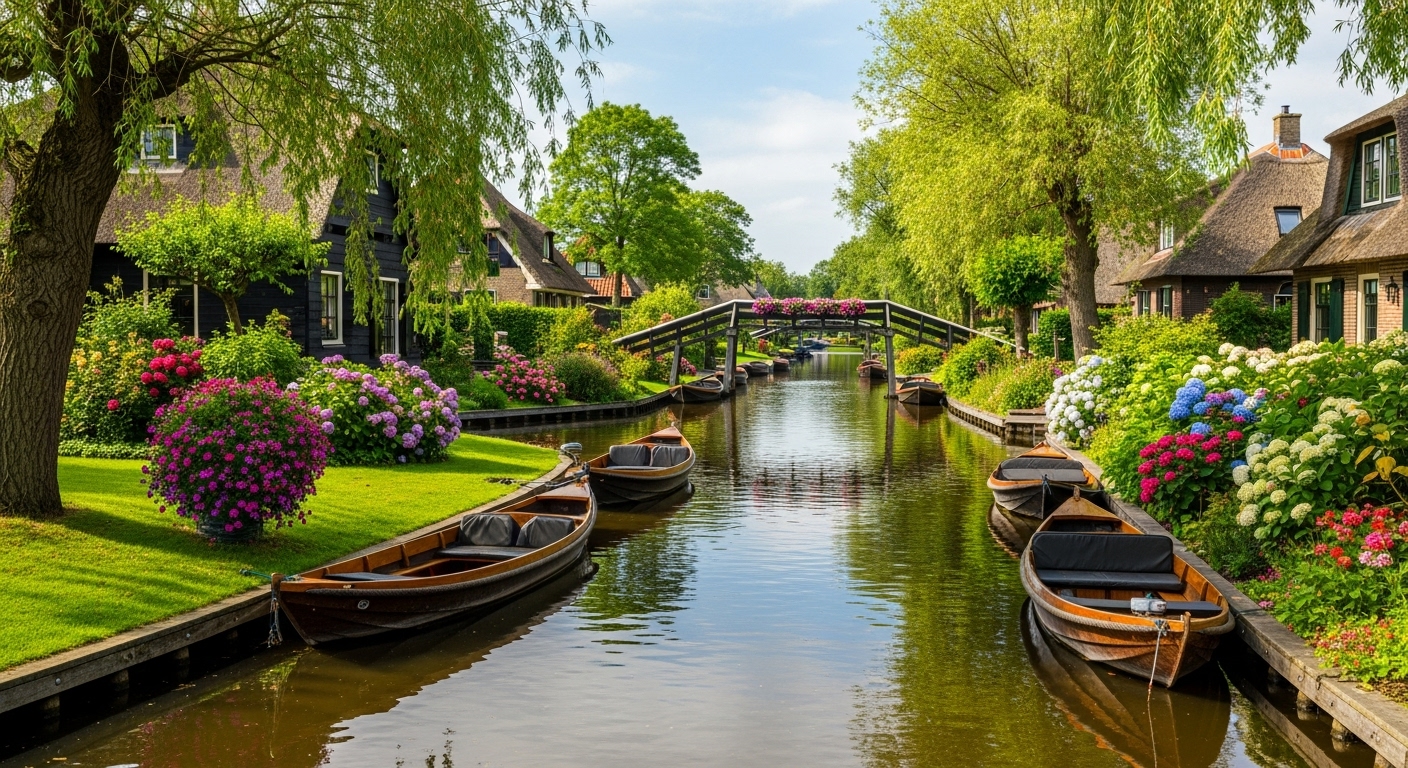
This peaceful village in the Netherlands is nicknamed “Dutch Venice” for good reason. Giethoorn has no roads within its central area. Instead, canals serve as the main thoroughfares, and boats replace cars. Wooden footbridges connect charming cottages surrounded by gardens and canals.
Tourists and residents use electric boats, canoes, or their feet to navigate the town. The silence is striking—no motors, no exhaust, just the gentle ripple of water and birds singing. If serenity is your travel goal, Giethoorn will blow your mind.
3. Fes el-Bali, Morocco – A Maze Without Motors
Fes el-Bali is the oldest part of Fes, Morocco, and home to one of the largest car-free urban zones in the world. The ancient medina is a labyrinth of over 9,000 narrow alleyways that cars can’t enter. Mules and handcarts are the primary methods of transport for goods. Tourists? You walk.
This makes Fes el-Bali not only a walkable paradise but also an incredibly authentic cultural immersion. The smell of spices, the call to prayer, and the lively conversations in the souks make it a sensory overload—in the best way possible.
4. Mackinac Island, Michigan – Where Cars Are Banned
In the U.S., Mackinac Island is a hidden gem when it comes to cities with no cars. Since 1898, cars have been banned on this quaint island. Horse-drawn carriages, bicycles, and your own two feet are the only ways to get around.
It’s like stepping into a living postcard. Whether you’re cycling around the island’s perimeter or enjoying a horse carriage ride through town, it’s a nostalgic experience that strips modern life down to something more meaningful.
5. Zermatt, Switzerland – Eco-Friendly Alpine Beauty
Home to the Matterhorn, Zermatt is an alpine town that doesn’t allow combustion-engine cars. Instead, the town uses small electric vehicles and horse-drawn sleighs. Most visitors arrive by train, adding to the charm of a town deeply in sync with nature.

Its clean air, stunning mountain views, and quiet streets make it one of Europe’s best cities with no cars. For outdoor lovers and eco-conscious travelers, it’s a paradise worth experiencing at least once.
Why More Cities Are Going Car-Free
Urban planners worldwide are starting to see the benefits of reducing car dependency. Traffic congestion, pollution, and stress are pushing many cities to redesign their cores to be more pedestrian- and bike-friendly. Examples like Oslo and Barcelona are making bold moves with car-free zones that enhance both livability and tourism appeal.
Do you think more cities should join the car-free movement? Have you ever visited a place without cars? Let us know your thoughts in the comments—we’d love to hear from you!
In a world that moves too fast, visiting cities with no cars is a reminder of how enriching slow travel can be. These cities offer a deeper connection with culture, people, and the environment. Whether you’re planning a quiet escape or seeking a new way to explore the world, car-free cities promise something refreshingly different. So, where will your next journey take you—perhaps somewhere where cars aren’t invited?
If you loved this blog, don’t forget to follow us on our social media for more travel inspiration, tips, and offbeat destinations you’ll fall in love with. Your next great adventure might just be one step away—literally.
Catch up on the top stories and travel deals by subscribing to our newsletter!