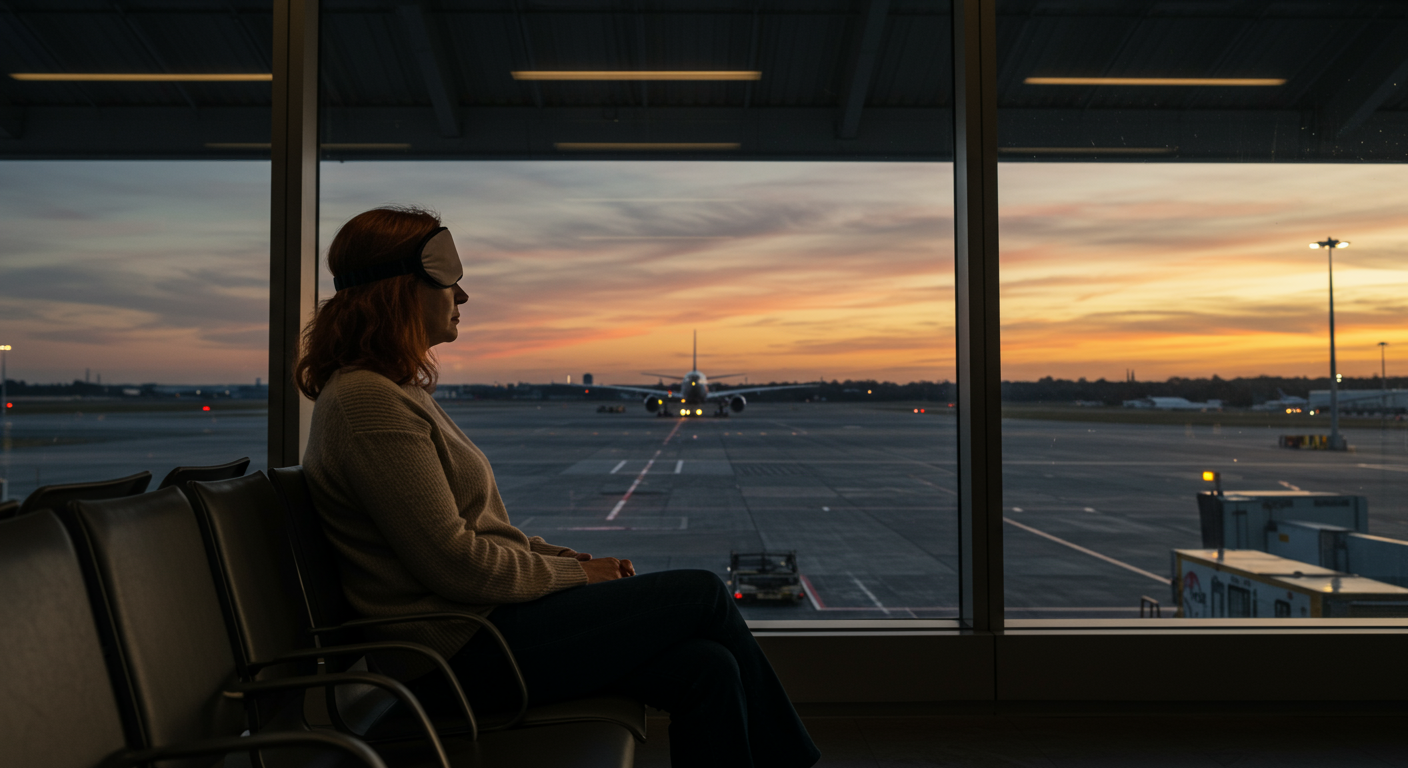
Have you ever stepped off a plane feeling like your body clock is completely out of sync? The sun is shining, but your body insists it’s bedtime. Or perhaps you’ve found yourself wide awake at 3 a.m., wondering if you’ll ever sleep again. That, my friend, is the havoc of jet lag and sleep disruption. It’s one of the most common challenges faced by frequent travelers and vacationers alike, and if not managed, it can turn a dream trip into a groggy nightmare. But what if there was a way to transition smoothly, beat jet lag, and enjoy every moment of your journey? Let’s explore the most effective strategies to manage jet lag through sleep adjustments before and after your flight. Buckle up, because your sleep—and your sanity—are about to thank you!
What Is Jet Lag and Why Does It Happen?
Jet lag, medically known as circadian rhythm disorder, occurs when your internal body clock is out of sync with your destination’s time zone. This usually happens when you cross multiple time zones quickly, like on long-haul flights. Your body still runs on “home time” while the local time is hours ahead or behind. As a result, your sleep-wake cycle is thrown off, which causes symptoms like fatigue, trouble falling asleep, irritability, poor focus, and even stomach issues. The severity of jet lag depends on how far you travel, your direction, and how well your body adapts.
East vs. West: How Direction Affects You
Traveling east (like New York to London) shortens your day, making it tougher to fall asleep earlier. Meanwhile, flying west (like London to New York) lengthens your day, giving you more time to stay up and adjust. Generally, westward travel is easier for your body to handle. Knowing this can help you tailor your jet lag and sleep plan more effectively, depending on the direction you’re going.

Pre-Flight Sleep Adjustments
The days before your flight are crucial. A few simple changes can make a big difference in how your body handles the time shift. Here’s what to do:
- Shift Your Sleep: Begin moving your bedtime and wake-up time by 30–60 minutes per day in the direction of your destination. This helps your body ease into the new schedule.
- Manage Light Exposure: Use light strategically. For eastbound travel, get more morning light. For westbound, aim for evening light.
- Avoid Caffeine and Alcohol: These can interfere with your sleep quality. Cut them out at least 6 hours before your adjusted bedtime.
- Get Enough Sleep: Don’t board your flight already tired. Resting well beforehand reduces jet lag symptoms.
On the Plane: Practical Tips to Stay on Track
- Change Your Watch: Set your watch or phone to your destination’s time zone once you board. This helps you mentally adjust early.
- Sleep or Stay Awake Based on Local Time: If it’s nighttime at your destination, try to sleep. Use a sleep mask, earplugs, and a pillow. If it’s daytime, resist the urge to sleep and keep yourself engaged.
- Hydrate Often: Airplane cabins are dry. Drinking water helps prevent dehydration, which can make jet lag worse.
Post-Flight: Strategies for Adjusting Quickly
- Use Natural Light: Light is your best tool to reset your body clock. Get sunlight in the morning or evening, depending on the direction of travel.
- Don’t Over-Nap: A short nap (under 30 minutes) can help. However, avoid long naps that might delay your next sleep cycle.
- Eat and Sleep on Local Time: Even if you’re not hungry or sleepy, follow the local schedule to help your body adjust faster.

Sleep Aids and When to Use Them
Melatonin is a favorite among travelers. It helps signal to your body that it’s time to sleep. A dose of 0.5–5 mg about an hour before your target bedtime can help reset your internal clock, especially on eastbound flights. Still, talk to your doctor before using it, especially if you’re on other medications.
Some people turn to over-the-counter sleep aids like antihistamines, or even prescriptions. While they may help you sleep, they come with side effects like grogginess or dependence. It’s best to use them sparingly and for short-term needs only.
Tech Tools to Help with Jet Lag
You don’t have to tackle jet lag and sleep challenges alone. Several apps can make the process easier:
- Timeshifter: Personalizes a plan based on your itinerary and habits.
- Entrain: Suggests light exposure schedules to align your circadian rhythm.
- Sleep Cycle: Monitors your sleep and helps improve quality.
Seasoned travelers often say they get used to constant flying, but repeated jet lag can wear anyone down. Chronic jet lag may increase stress, hurt memory, and suppress the immune system. That’s why sticking to a consistent plan every trip is essential.
Jet lag doesn’t have to steal the joy from your adventures. With smart preparation, strategic light use, tech tools, and healthy habits, you can manage jet lag and sleep more effectively. So next time you fly across time zones, remember: your body might be late to the party, but it doesn’t have to miss it entirely.
What’s your go-to tip for beating jet lag? Have you tried any of these apps or methods? Drop your thoughts and experiences in the comments below—we’d love to hear how you handle jet lag and sleep!
Catch up on the top stories and travel deals by subscribing to our newsletter!