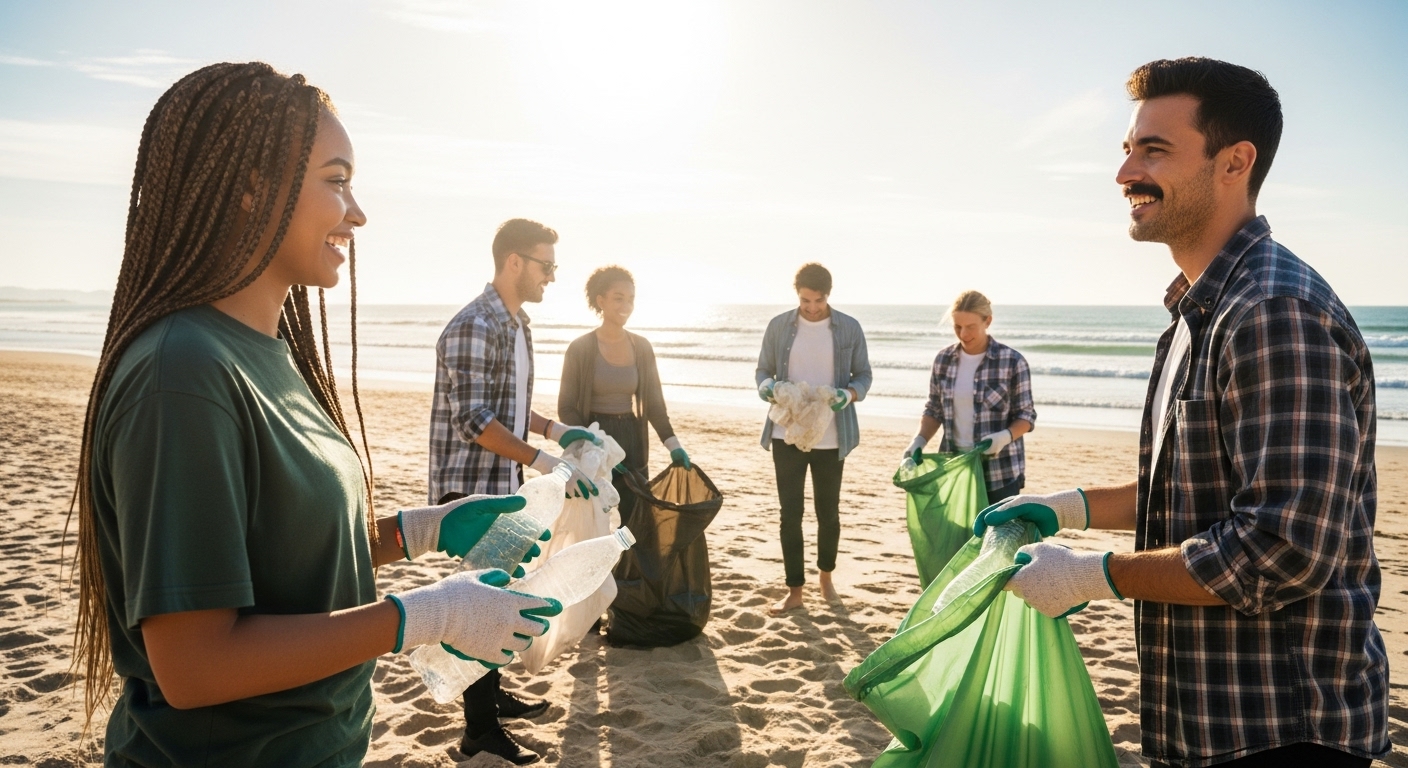
Travel has evolved. Today, more people are replacing traditional vacations with purposeful journeys: trips that not only enrich the traveler but also uplift communities, support conservation efforts, or advance social causes. These meaningful adventures blend exploration with impact. Whether you’re planting trees in Costa Rica, volunteering in a community school in Morocco, or helping build homes after natural disasters, purposeful journeys offer deeper connections and lasting memories.
1. What Are Purposeful Journeys—and Why They Matter
Purposeful journeys go beyond sightseeing. Instead, they focus on giving back. You might teach English in rural villages, build infrastructure in underserved areas, or support wildlife protection efforts. On the surface, they resemble volunteer trips, but with a wider scope. Each day includes cultural immersion and sightseeing—only your actions directly benefit local people, wildlife, or the environment.
More travelers are embracing this shift. Recent data shows that 66% of people under 35 seek meaningful travel experiences over luxury vacations . These trips align adventure with intention. You discover local cultures deeply, build friendships, and contribute positively. It’s a travel style that transforms both visitor and host.
2. Types of Purposeful Journeys and Who They Serve
There’s no one-size-fits-all for these trips. Some fall into clearly defined categories:
Community Development: Travelers may teach in schools, support health clinics, or help with clean water projects. Organizations like Projects Abroad and Peace Corps partner with local authorities to match volunteers to needs.
Environmental Conservation: Examples include turtle nest protection in Costa Rica, reforesting efforts in Borneo, or coral reef regeneration in the Philippines. Projects like Sea Shepherd or Earthwatch welcome travelers focused on preserving ecosystems .
Disaster Relief: After events like hurricanes or earthquakes, you may assist with rebuilding, emergency response, or administrative support. Platforms such as Team Rubicon and All Hands and Hearts coordinate volunteers for structured, short-term missions.
3. Real-Life Example: Teaching in a Thai Village
Last year, Jane, a schoolteacher from Canada, spent two months teaching English and STEM subjects in rural Thailand. While teaching, she helped improve classroom materials and opened a small library for local children. Her mornings were spent in classes; her afternoons, assisting farmers with irrigation workshops. During weekends, she traveled to nearby markets, attended festivals, and learned traditional dance.
Her experience was richer than a standard vacation. She returned home with strong community ties, lifelong friendships, and a new global perspective. For local families, Jane’s classes improved English fluency, a skill that brings opportunities for future work and travel. This dual benefit— personal growth and community uplift—is at the core of purposeful journeys.
4. Planning Your First Purposeful Journey
Want to try it? Begin by selecting your cause and destination. Are you passionate about teaching, marine conservation, or disaster relief? Choose somewhere your skills match local needs. Many organizations—like Habitat for Humanity for building homes, or Ocean Conservancy for marine cleanups—offer flexible programs .
Budget is key. Prices vary: some programs include accommodation, food, and project fees ($500–$2,000), while others expect you to cover travel costs separately. Read what’s included, check for local partnerships, and ask if there’s follow-up support. Certifications or training you receive along the way also add value after you return.
5. Ethical Considerations and Avoiding White Saviorism
Pursuing purposeful journeys requires responsibility. In recent years, criticism has surfaced around tourism that unintentionally reinforces inequality, dependency, or disrespect. To avoid this, choose responsible operators that partner with local leaders. For example, Responsible Travel maintains a Partner Directory of verified, community-minded projects .
Ask key questions when selecting a program: Are local voices involved in planning? Is the work sustainable long-term? Will the skills you bring match real needs? When travelers approach with humility—listening first before acting—it helps ensure projects uplift communities rather than impose external agendas.

6. Balancing Volunteer Work with Personal Travel
Purposeful journeys don’t mean you give up all tourism. Most programs include “free days” or travel breaks, letting you explore nearby landscapes or cultural landmarks. Your schedule might include two-day weekends to snorkel coral reefs, visit sacred temples, or hike in national parks. This balance prevents burnout and adds enjoyment.
To illustrate, Emma volunteered at an elephant sanctuary in Sri Lanka. She worked with caretakers for five weeks; then she spent weekends trekking through tea-pick villages, sampling local cuisine, and visiting wildlife reserves. On return, she described it as “work that filled my heart and travel that filled my soul.”
7. How to Measure Your Impact
Your contribution can be more than anecdotal. Many organizations offer measurable results: number of trees planted, English proficiency improvements, milled water filters installed, etc. If you want deeper engagement, look for programs with baseline and follow-up surveys to measure change over time .
Creating your own digital scrapbook—photos, short interviews, blog updates—documents your journey and helps locals tell their own story. After the trip, you can continue supporting via fundraising, mentorship, or advocacy. This kind of ongoing relationship ensures your impact stays meaningful.
8. Common Challenges and How to Overcome Them
Pursuing purposeful journeys comes with hurdles. Culture shock, language barriers, homesickness, and work fatigue are common. To prepare, learn a few phrases in the local language, research customs ahead, and reach out to past volunteers for advice. Many programs also offer orientation sessions to help you adapt.
Another issue is burnout: working long hours in physically demanding projects isn’t a vacation. To manage energy, blend in personal travel days, stay hydrated, and schedule rest. Reflect each evening on what you’ve learned as much as what you’ve accomplished.
9. Truly Transformative Purposeful Journey Stories
Take Simon, an IT professional who joined an African school program. When the internet stopped working mid-project, Simon improvised solar-powered solutions, trained teachers, and left them confident in managing tech. His input transformed the school—and reshaped his career goals.
Or consider Maria, who planned conservation work in the Philippines focused on rehabilitating sea turtles. Alongside her fieldwork, she began a social media campaign that raised public awareness and local donations. When the project ended, she continued remotely as a campaign advisor.
Have you ever combined travel with purpose? Maybe you planted trees in Costa Rica, or volunteered at an orphanage in Nepal? Your stories could inspire others to take the leap. Share your moments, tips, or lessons learned in the comments below—because travel for a cause is best when shared.
If this guide sparks something within you, follow us on social media. Each week, we spotlight impactful travel, meaningful projects, and stories of change—one journey at a time.
Catch up on the top stories and travel deals by subscribing to our newsletter!