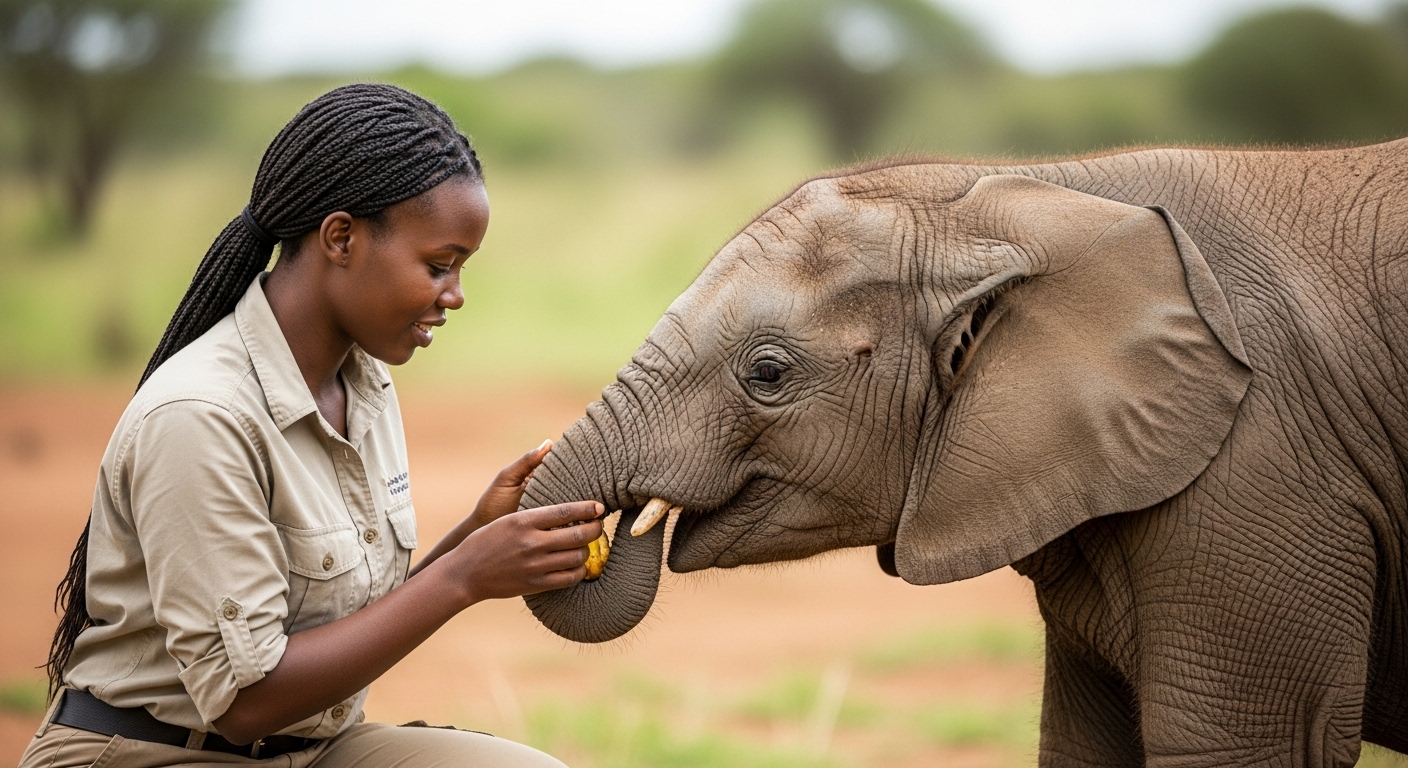
Have you ever felt that deep pull to travel and do more than take photos? I mean, give back while exploring the world? Well, volunteering abroad at sanctuaries for rescued animals is exactly the kind of experience that will stir your soul. In this post, we’ll dive into incredible opportunities for travel for a cause, volunteering at animal sanctuaries abroad, complete with personal stories, logistical tips, and reasons why it’s more than just travel—it’s transformation.
Imagine waking up to the calls of rescued elephants, or helping rehabilitate hawks and owls in a South African reserve. Sounds rewarding, right? Well, buckle up, because we’re going beyond fluff: you’ll find touching anecdotes, honest challenges, and clear guidance to make your dream of compassionate travel a reality. Let’s get into it.
1. Why Choose Volunteering at an Animal Sanctuary?
First things first: this isn’t vacation. It’s hands-on, emotionally immersive work. You’ll climb into enclosures to clean, prepare meals, walk rescued animals, and maybe even help rehabilitate injured wildlife. Yet, you’ll also form connections with animals that have seen more hardship than many people.
Moreover, research shows that sanctuary volunteers help significantly with animal welfare standards. By choosing to volunteer abroad, you’re supporting local conservation efforts—often in countries where funding is limited. In short, volunteering at an animal sanctuary is a powerful way to blend travel with impact.
2. Where to Go: Top Destinations for Sanctuary Volunteering
South Africa – Elephant sanctuaries in Limpopo and KwaZulu-Natal:
You might wake before dawn to track baby elephants on foot, helping keep them safe from poachers. These sanctuaries are about restoration—sometimes orphaned elephants are hand-raised until they can join herds. Watching them bond with caretakers is heartwarming.
Thailand – Gibbon & Tiger rescue centers:
Did you know that many rescued tigers suffer from use in entertainment? Volunteers help with enrichment, enclosure redesign, and educational programs. With gibbons, you might assist with vocalization therapy—a key part of rehabilitation.
Ecuador – Jungle wildlife sanctuaries near the Amazon:
You could feed sloths, rehabilitate monkeys, and help replant habitats. Living deep in the jungle for weeks, your hands-on work might determine whether rescued animals can return to the wild.
Panama – Sea turtle conservation on the Caribbean coast:
Volunteer nights on secluded beaches, guarding turtle nests against predators and later helping baby turtles reach the ocean at dawn. Witnessing hatchlings scamper across warm sand? It’s a “grab you by the heart” kind of moment.

3. A Day in the Life: What to Expect
Each morning usually starts early—sunrise calls for feeding schedules or patrolling enclosures. You might spend hours cleaning habitats, preparing nutritious meals, or observing animals for signs of stress or illness.
Afternoons? You might help with habitat restoration—planting native trees, clearing invasive species, building shade shelters. Don’t forget the educational component: working with visitors to raise awareness of wildlife threats. It’s both physically demanding and emotionally rich.
4. Personal Story – My Week with Rescued Leopards
Let me share one of my most humbling experiences: a week at a leopard sanctuary in India. These cats had been victims of habitat loss and conflict with farmers. On my first day, I filled 30 food bowls—yes, 30!—and cleaned shelters muddy from the monsoon. Then, I watched them pace, restless.
By mid-week, I saw softer sides: a leopard named Maya nudging me for attention, and Tim, a shy male, rolling over for belly scratches. On our weekly day hike into the scrub forest, we topped it off by releasing Maya into a spacious reserve—her first steps toward a freer life. That moment brought tears, gratitude, and deepest respect for conservation work.
5. Logistics: How to Choose the Right Program
First, vet organizations carefully. Look for accreditation with global sanctuary alliances, clear animal welfare policies, and reviews from past volunteers. Beware of so-called sanctuaries that exploit animals for tourist selfies.
Next, confirm what’s included: lodging, meals, training, safety protocols, and cost transparency. Some programs charge $50–80/day; others $150–200/day for remote, all-inclusive experiences. Still, fees often support day-to-day care and community outreach.
Lastly, consider your readiness. You’ll work in hot weather, handle rough terrain, and deal with emotional stress. But if you’re flexible, compassionate, and eager to learn—this is for you.
6. The Emotional Journey: Growth and Challenges
Volunteering at an animal sanctuary transforms you. Expect to feel joy, heartbreak, pride, and humility—all in one trip. You might cry over a rescued bird that can finally fly, or despair over a species lost to trafficking. The key is processing it afterward. Many sanctuaries offer debriefing sessions or online support groups, and I can’t recommend them enough.

7. Maximizing Impact: Do This Before You Go
Train up! Read about species you may encounter. Take basic first-aid and wildlife handling workshops. Learn local language phrases—it goes a long way in community-integrated sanctuaries. Bring useful donations: medical supplies, enrichment toys, non-perishable animal food.
Also, align your goals: Are you going for conservation, education support, or ecosystem restoration? Setting intentions helps you choose the right role—and avoid volunteer burnout.
8. Beyond One Trip: Long-Term Opportunities
Once you’ve dipped your toes in sanctuary work, you might feel driven to return—or go deeper. Many sanctuaries offer internships, longer term residencies, or remote coordination roles in outreach or fundraising. Ultimately, volunteering for a cause can evolve into a life mission.
9. FAQs: Common Volunteer Questions Answered
- Q: “Do I need previous experience?”
A: Not always! Many programs provide on-site training. However, prior wildlife or animal care experience is helpful and sometimes required for advanced roles. - Q: “Is this safe?”
A: Sanctuaries enforce strict handling protocols—but it’s still fieldwork. So be prepared mentally and physically. - Q: “Will I have time for local exploration?”
A: Usually yes. Many programs include free weekends or half-days so you can explore markets, beaches, or cultural sites nearby.
Travel for a cause volunteering at animal sanctuaries abroad isn’t just another item on a bucket list. It’s a catalyst for change—socially, ecologically, personally. You leave footprints in sanctuary paths, in community hearts, and in your own worldview. And those impacts ripple outward.
Have you ever volunteered at an animal sanctuary, or are you dreaming of heading abroad to do so? Share your story, questions, or hopes in the comments. I’d love to learn from your journey and feature your testimonial in a future blog! If this has moved you, follow us on social media for insider tips, volunteer spotlights, and heartfelt stories from around the world. Together, we can make travel truly meaningful.
Catch up on the top stories and travel deals by subscribing to our newsletter!