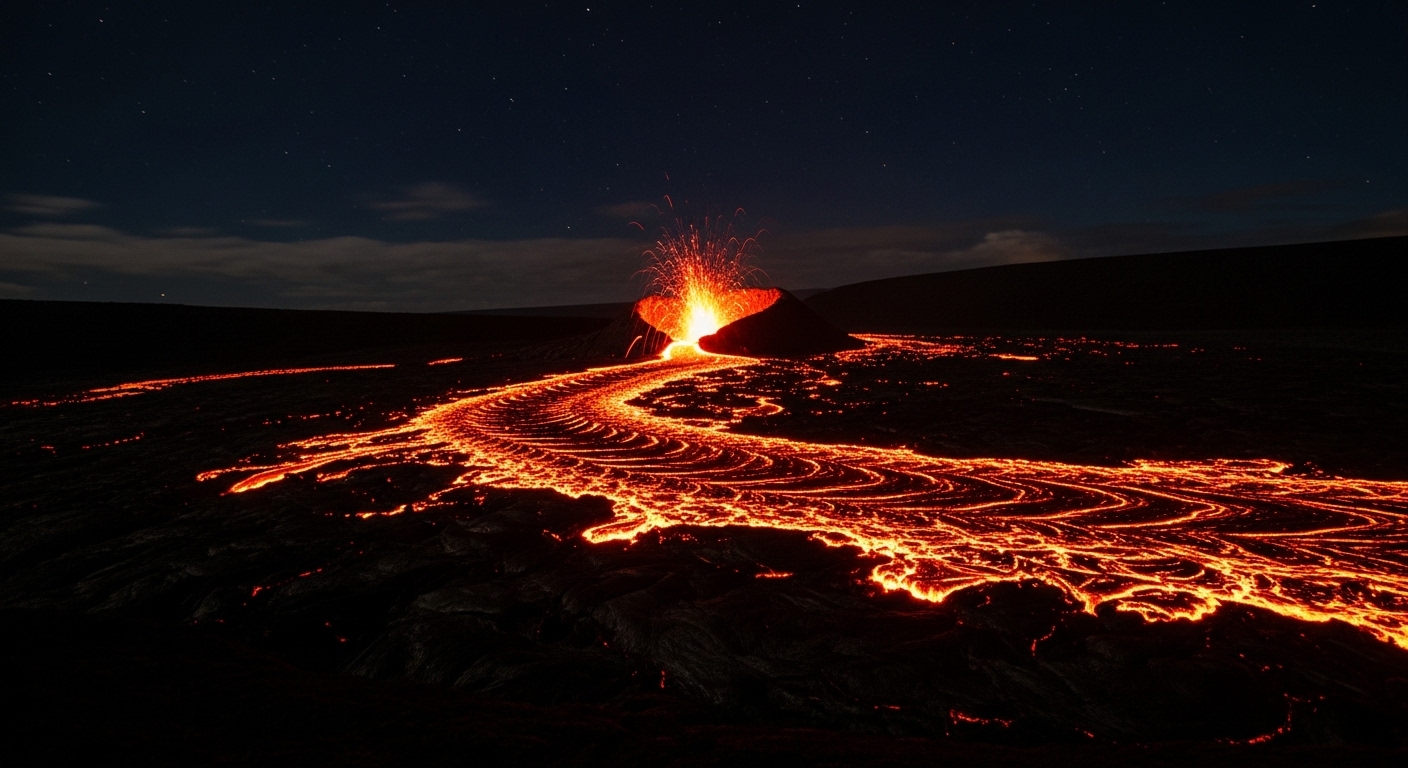
Ever felt the pull of Earth’s raw power, that irresistible urge to stand at the edge of glowing lava or witness steam billowing from a volcanic crater? Visiting active volcanoes offers exactly that—breathtaking experiences laced with thrilling uncertainty. But with great spectacle comes serious responsibility. In this guide, we’ll dive deep into how to stay safe, the best places to see volcanic activity, and how to make the most of your adventure without compromising your safety.
Why Visiting Active Volcanoes Matters
Visiting active volcanoes isn’t just about ticking an extraordinary destination off your bucket list—it’s about connecting with the planet’s primal forces. When you stand beside a boiling lava lake or feel tremors under your feet, you’re not just observing nature—you’re part of it. This experience encourages humility, resilience, and a renewed sense of wonder.
Yet, these iconic geological formations can be unpredictable. Gas emissions, ash fall, rockslides, and sudden eruptions are real risks. That’s why even the most seasoned travelers must approach volcano visits with respect, preparation, and caution. This guide (Visiting Active Volcanoes) equips you with essential safety protocols, packing lists, and route suggestions to ensure your volcanic adventure is thrilling—but never reckless.
Volcano Safety Essentials: What You Must Know
Preparing for a volcanic adventure means blending preparation with respect for the environment. Here’s how to stay safe:
- Check official updates: National parks and volcano observatories release regular alerts and restrictions when activity spikes. Know these before you go.
- Book certified guides: Locally certified guides offer mountain-specific knowledge—about wind shifts, gas danger zones, and safe vantage points.
- Stick to marked trails: Volcanic terrain can decompose unexpectedly—venturing off-path risks collapse or exposure to toxic gases.
- Protective gear is key: Wear sturdy boots, helmets, goggles, and respirator masks (N95 or better). Closed-toe shoes are non-negotiable.
- Dress in layers: Volcano sites range from tropical warmth to chilly altitudes. Be prepared with thin thermals, waterproof shells, and hats.
- Packing isn’t optional: Bring 2 liters of water, high-energy snacks, a headlamp, a first-aid kit, handheld GPS/phone, sunblock, and sunglasses.
- Know your limits: Elevation, heat, altitude—each volcano has its unique challenges. Plan rest breaks and share your itinerary with someone back home.
Top Active Volcanoes You Can Safely Visit
Here’s a curated list of the most accessible and awe-inspiring active volcano spots, each offering unique geological views paired with managed safety.
1. Kīlauea, Hawaii
Among the world’s most closely monitored active volcanoes, Kīlauea offers spectacular lava flows and glowing crater lakes. The Hawaii Volcanoes National Park provides clear trail signage, lookout points, and safety briefings. Visiting after dusk reveals streaks of molten lava against the night sky. The key to safety here is strong volcanic masks—they protect you from fine ash and sulfur dioxide.
After exploring, relax and unwind in nearby natural hot springs or enjoy a traditional luau before you drive away under a blanket of stars.
2. Mount Etna, Sicily
From ancient eruptions to modern trails, Mount Etna is Europe’s most active volcano with esthetic landscapes and accessible lookouts. You can hike his slopes, ride in a 4×4, or take a cable car near summit cones. Certified guides lead you around recent lava flows and pyroclastic deposits, explaining volcanic processes in real time. Etna’s advantage? Its well-maintained safety infrastructure—turns a dramatic environment into a managed, educational visit.
Visit the cable car station at noon for optimal stability and to maximize visibility above the clouds.
3. Mount Bromo, Indonesia
Part of the Tengger massif, Mount Bromo rests inside a vast volcanic desert. To witness the legendary sunrise, many opt for jeep tours through sea of sand at 4 AM—perfect for dramatic lighting conditions. While the trek is short, don’t underestimate the ash and sulfur fumes. A sturdy mask and goggles are your best tools. The hike to crater rim takes 30–45 minutes on stone steps, but the reward is 360° views of steam-filled vents.
Combine the experience with a climb to a nearby viewpoint, Penanjakan, for a panoramic sunrise shot.
4. Pacaya, Guatemala
Just outside Antigua, Pacaya is one of the easiest active volcanoes to visit. After a bumpy jeep ride, you hike across blackened lava fields to glowing fissures and warm volcanic vents. At night, you can even roast marshmallows over red-hot lava vents (yes, really!). A flashlight hike back under the star-speckled sky makes this adventure uniquely magical. Local guides ensure you stay away from unstable terrain and shifting lava.

5. Mount Nyiragongo, DR Congo
You’ll need grit (and a good guide) for Nyiragongo’s trek to one of the world’s biggest lava lakes. The 6–8 hour climb on steep volcanic glass is a challenge, but once atop the crater rim, the glowing lava lake—and perhaps sunrise up there—makes it one of the world’s most intense experiences. Camping nearby is an option for trekkers comfortable at high altitudes.
6. Cotopaxi, Ecuador
At nearly 6,000 meters, Cotopaxi is both dormant and active. Climbing to its glacier rim is possible with an experienced guide and high-altitude acclimatization. While you won’t see glowing lava, the experience of trekking near its snow-capped caldera amidst rolling Andean plains is breathtaking. While most visitors stop mid-mountain, some select operators lead glacier climbs using ropes and ice gear.
7. Sakurajima & Mount Aso, Japan
Close to Kagoshima, Sakurajima constantly spews ash and sometimes mini eruptions—you’ll notice locals wearing helmets and umbrellas by default. Frequent ferry tours circle the base at safe distances for close-up views. Mount Aso’s vast crater can be viewed from rim trails or cable car decks—when the volcano is calm, you can get very close, though vent access is often closed for safety.

8. Piton de la Fournaise, Réunion
This shield volcano hosts frequent eruptions—hiking into its immense caldera is available via well-signposted trails. Local parks manage safety by closing access during high activity. When open, you can see freshly cooled lava fields, volcanic cones, and occasional steam vents. Guide services and ranger stations show you the safest routes.
9. Eyjafjallajökull & Other Icelandic Volcanoes
Icelanders built Iceland around volcano tourism. Eyjafjallajökull became infamous in 2010, but today you can hike the vent valley with a park ranger. Tours run to more remote areas like Fagradalsfjall—the 2021 eruption site—with fenced walkways and safety zones. Fumarole fields near Krafla are also accessible during quiet periods. Iceland makes volcano exploration surprisingly comfortable.
10. Mount Erebus, Antarctica
As the southernmost active volcano, Mount Erebus is restricted to scientists and expedition members—but it offers guided access to its lava lake. If you ever join an Antarctic research tour, the ability to see this icy volcano is extraordinary, but only with professional teams and within research zones.
Other Noteworthy Volcanoes
For experienced travelers with strong permits, consider:
- Mount Merapi, Indonesia—requires top-tier guides to explore active flows.
- Volcán Villarrica, Chile—snow-and-lava hikes possible in summer.
- Mount Agung, Bali—less active, but sacred and challenging to summit.
Volcano Travel Checklist
- Certified guide with geological background
- Official activity-level briefings (check national volcano observatories)
- Sturdy outdoor boots, dust mask, goggles, helmet
- Hydration (minimum 2 L water) and energy snacks
- Layered clothing—temperature extremes and ash protection
- First‑aid kit, flashlight, GPS/phone charger
- Itinerary left with friend or host, with EVAC plan
There’s nothing quite like it: standing on a steaming caldera, hearing Earth’s heartbeat, and glimpsing molten rock that defies time. If you respect safety, embrace expert guidance, and pack properly, a volcano visit can soar from fearsome to life-changing. Each mountain offers its lessons—resilience, humility, wonder.
Which volcano adventure calls to you? Are you more drawn to fiery lava lakes, snow-capped giants, or coastal steam vents? Tell us your dream volcano below—and let’s ignite your wanderlust responsibly.
Catch up on the top stories and travel deals by subscribing to our newsletter!