Attending religious festivals abroad can be one of the most meaningful travel experiences—full of vibrant colors, spiritual ceremonies, communal joy, and deep cultural immersion. But it can also be a minefield if you’re not aware of local customs. This guide shows you how to travel during religious festivals without offending locals, so you can participate respectfully, learn authentically, and leave a positive impression.
Whether it’s Diwali in India, Ramadan in Morocco, Songkran in Thailand, or Easter processions in Spain, every festival comes with its own traditions, sensitivities, and etiquette. Let’s dive into the nuance—so you can celebrate without misstep.
Why Festivals Matter (and Why Respect Matters Even More)
Religious festivals aren’t just celebrations—they’re lived, communal expressions of faith, history, and identity. Locals often link them to ancestral roots, spiritual values, and social cohesion. When tourists treat these events like theme parks, it undermines their meaning.
But when you show respect—by learning ahead, acting mindfully, dressing thoughtfully—it opens doors. You earn invitations to after-ceremony meals, heartfelt conversations, and hidden moments most travelers never see. That’s why knowing how to travel during religious festivals without offending locals is essential.
1. Research Before You Go
Begin with online research—blogs, official tourism websites, community forums. Search phrases like “Etiquette during [Festival Name]” or “Local customs for tourists” often reveal useful advice. Does the festival prohibit photography? Require modest dress? Ban alcohol in public?
Whenever possible, ask locals via forums like Reddit or travel-focused Facebook groups. Ask questions: “Is it offensive to take photos during prayers?” or “Are there days when tourist access is limited?” That extra effort shows sincerity—and often results in valuable insider tips.
2. Dress with Care and Cultural Sensitivity
Modesty matters in many religious traditions. For instance, women attending Buddhist or Muslim ceremonies should cover shoulders, knees, and cleavage. Men may need to remove hats or wear long pants in temples. In Christian processions, overly revealing beachwear often offends locals.
Pack a light scarf or shawl—it’s one of the easiest ways to show respect. When in doubt, follow how locals dress in ceremony photos. This guidance is central to understanding how to travel during religious festivals without offending locals.
3. Mind Your Behavior and Body Language
Silence your phone and lower your voice. Avoid laughter during prayer or solemn moments. Don’t stand with hands on hips, point at holy figures, or stretch out your feet toward sacred objects. A small gesture like clasping your hands can demonstrate awareness and humility.
Even excessive smiling or casual behavior can feel disrespectful during solemn rituals. Pay attention to local attendees—then follow their lead. Emotional intelligence in these contexts is key to respecting how festivals are truly experienced.
4. Photography—Ask, Don’t Assume
Festivals are incredibly photogenic, but they also carry deep significance. In many places, taking photos of prayer or sacred items without permission is taboo. Ask before photographing individuals, especially elders or clergy.
If you receive permission, avoid intrusive flashes or close-up shots. No one wants to feel like a zoo exhibit. When in doubt, skip the photo and focus on observing genuinely. That’s a respectful approach to how to travel during religious festivals without offending locals.
5. Participate, But Don’t Take Over
Festivals often include communal meals, processions, dancing, or even volunteer roles. Local communities may welcome tourists to help set up chairs, hand out food, or join the buffet line. That’s wonderful—but ensure you follow the rules, maintain pace, and don’t crowd spaces reserved for participants.
Respect queues, step aside for elders or priests, and don’t touch ritual items unless invited. Participation should feel like joining a moment—not disrupting it.
6. Learn Key Phrases in the Local Language
Just a few words like “thank you,” “blessed,” or “peace be with you” in the local tongue can shift your presence from tourist to friend. For example, saying “Shukran” in Ramadan contexts or “Dhanyavad” during Diwali shows cultural awareness.
Write them down on paper—memorizing often leads to mistakes. Locals appreciate the effort and it reinforces your respect for their traditions.
7. Respect Dietary Customs
Religious festivals often include fasting or specific meal structures. During Ramadan, avoid eating, drinking, or smoking in public during daylight hours—unless designated tourist areas say otherwise. In Hindu or Jain ceremonies, beef or other restricted foods may be off-limits under any circumstances.

Show interest—ask “What is this dish for?” or “How do you traditionally serve it?” Not only does it avoid offense, it opens doors to potential recipe swaps or deeper conversation.
8. Follow Rules Around Access and Timing
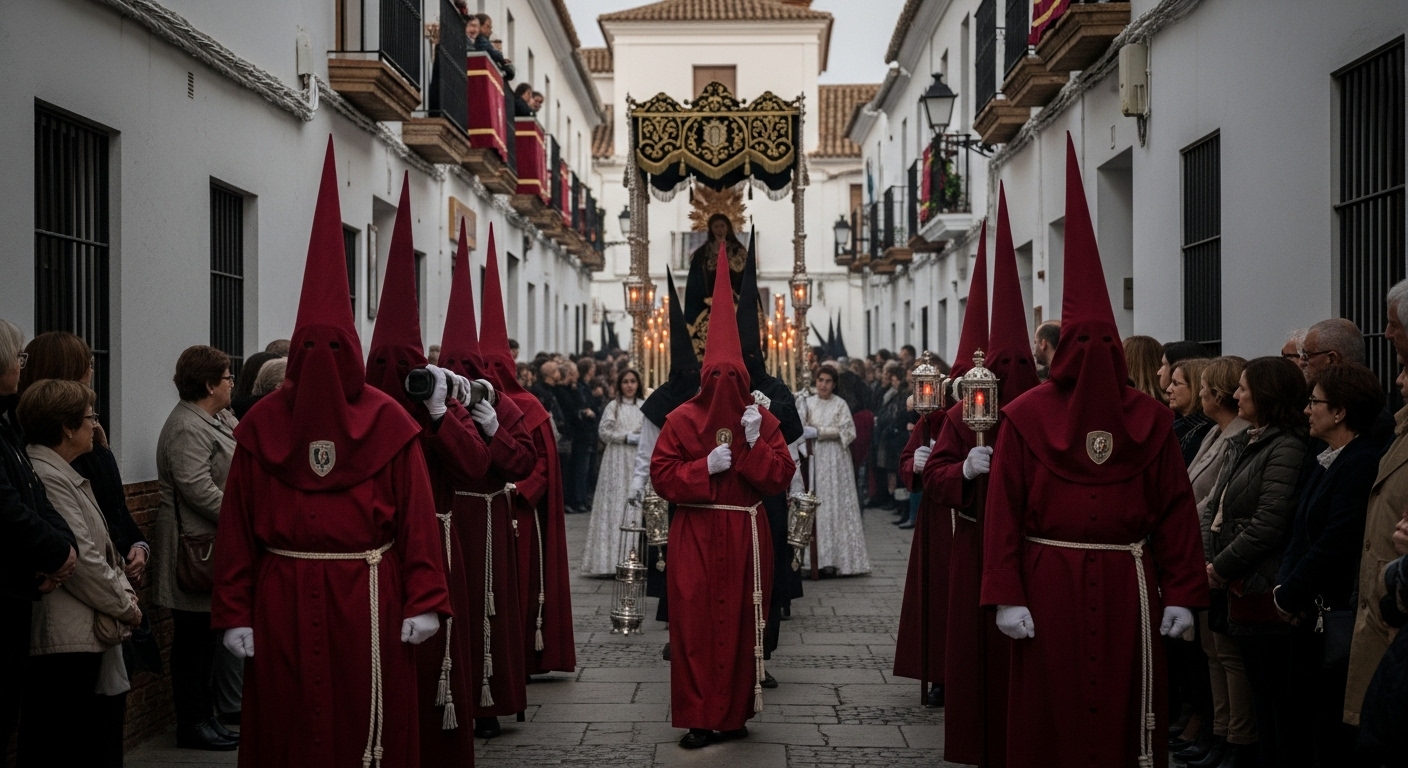
Many festivals have sessions strictly reserved for worshippers. In some shrines, tourists can only observe from outside. In India, during Ganesh Chaturthi immersions, crowds flood streets—join in the procession only if invited. In Semana Santa processions in Spain, Silence zones require quiet observation.
Check local guides on when and how tourists should attend. Observing from the sidelines is often far better than entering restricted spaces. That’s the essence of learning how to travel during religious festivals without offending locals.
9. Give Thoughtful Gifts if Invited
If you’re invited home or to a community table, small gifts are appreciated. Consider traditional sweets, locally made crafts, or flowers. In Muslim contexts, dates or halal chocolates are thoughtful. Avoid alcohol or extravagant items—it may be inappropriate.
Wrap it simply. Presentation matters less than the gesture—but the gesture speaks volumes.
10. Reflect, Share Respectfully, and Follow Up
After the festival, express your gratitude. A message via your host, a handwritten note, or social media post in the local language shows you didn’t just visit—you appreciated. Don’t publicize personal or sacred moments—share only what you were invited to.
Then carry those lessons forward. Share them with fellow travelers and always note that authentic festival experiences require respect, humility, and awareness.
Real-Life Stories: Learning the Hard Way
At Holi in India, a well-meaning traveler snapped photos of children covered in colored powder—only to realize parents considered it invasive. After an apology and framing a modest donation, the mood changed. It taught him that how to travel during religious festivals without offending locals involves emotional intelligence more than lenses.

In Mexico during Semana Santa, a family invited me to walk with their processional group. I learned to walk slowly, hold candles respectfully, turn off my phone, and soak in their devotion. It was more humbling than any tourist attraction I’ve seen.
Your Festival Checklist
- Research dress and behavior guidelines before arriving.
- Learn 3–5 respectful phrases in the local language.
- Ask permission before photographing sacred moments or people.
- Offer a simple gift if welcomed into a home or group.
- Respect time, space, and queue—don’t rush.
- Reflect afterward—send thanks or a note.
These practical steps form the heart of how to travel during religious festivals without offending locals, and will help keep your journey both respectful and unforgettable.
Have you ever experienced a religious festival abroad? What surprised you most—good or bad? Share your stories below; let’s support one another in mindful, immersive travel.
Follow us on social media for more cultural travel guides, insider tips, and heartfelt respect for destinations that matter. Safe travels—and may your experiences deepen through understanding.
Catch up on the top stories and travel deals by subscribing to our newsletter!