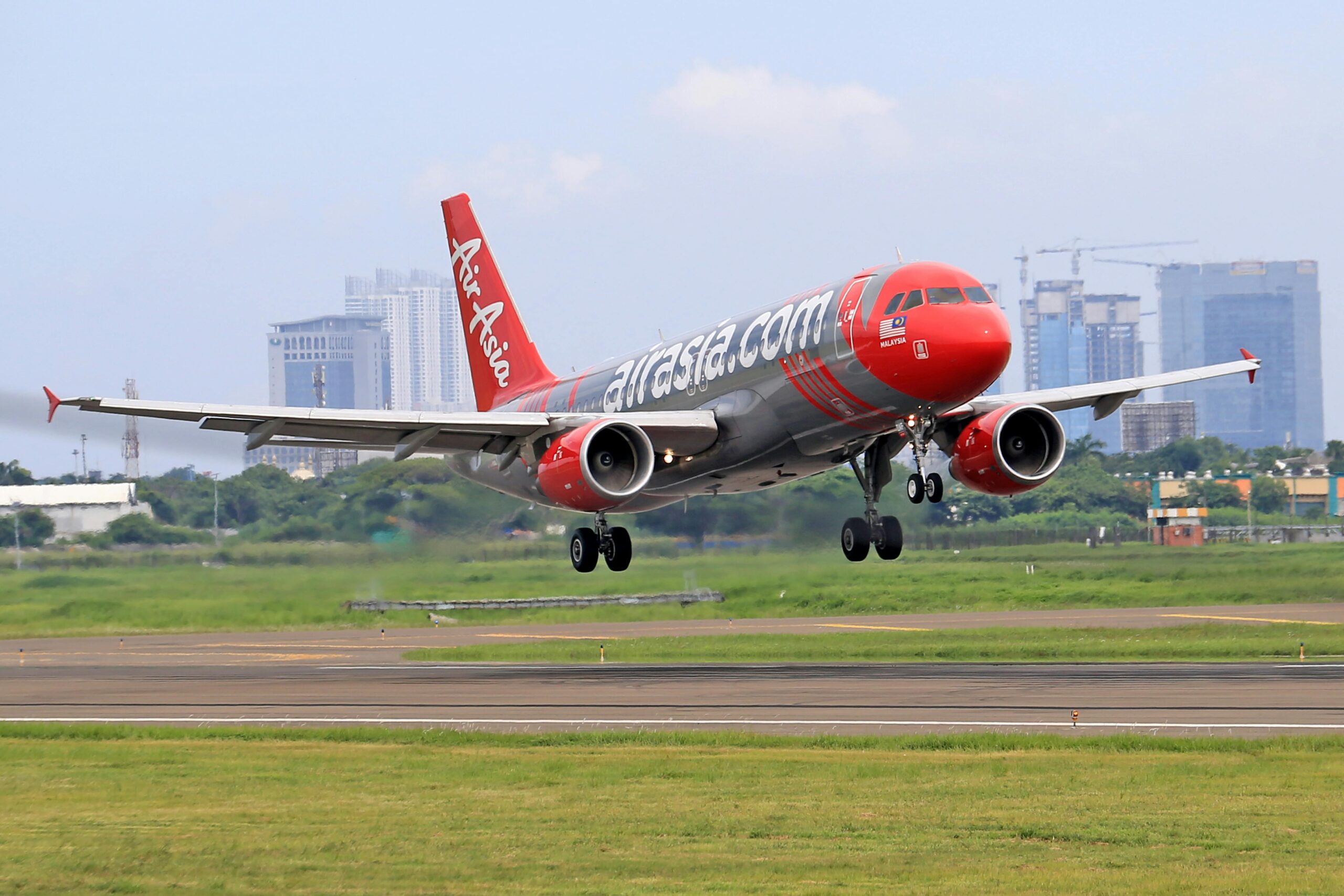
Malaysia’s aviation industry enters a bold new phase, and AirAsia fully supports the change. Recently, the government began merging CAAM and MAVCOM into one unified regulator. This move simplifies regulations and boosts industry performance across the board.
As a result, AirAsia expects faster decisions and smoother operations throughout the country. Moreover, this reform provides clearer guidance for airlines, ensuring stronger regional connections and better service.
AirAsia, therefore, sees this as a key milestone for Malaysia’s aviation transformation. The merger allows airlines to cut delays, improve coordination, and offer more reliable flights.
With better air traffic control, major hubs like KLIA Terminal 2 will now run more efficiently. In turn, travelers can enjoy quicker service, affordable fares, and expanded flight options.
Furthermore, the change comes at a time when ASEAN air travel is rapidly growing. To compete, Malaysia must adopt smarter, more integrated systems. Consequently, AirAsia plans to scale operations and connect more destinations.
At the same time, this merger aligns with AirAsia’s push for digital tools and sustainability. The airline continues improving customer experience and reducing environmental impact across its network.
Because of streamlined oversight, businesses can now operate with fewer delays and lower costs. In addition, tourism and trade will benefit as improved connectivity links more people and places.
AirAsia remains focused on helping Malaysia grow into a world-class aviation leader. With this reform, the country gains new momentum, direction, and international appeal. Through collaboration and innovation, Malaysia will now climb higher in the global aviation landscape.
Related stories:
Catch up on the top stories and travel deals by subscribing to our newsletter!