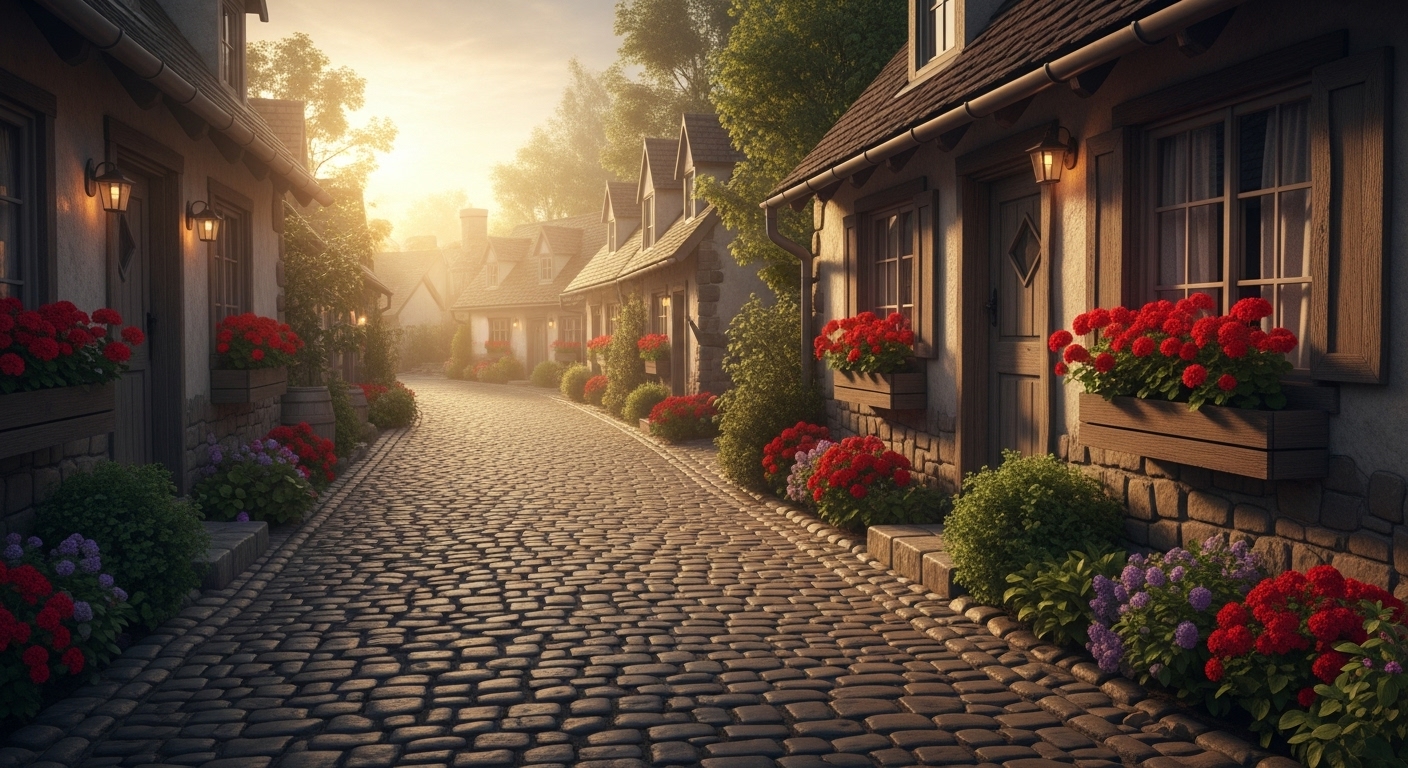
If you’re craving a deeper connection to a destination, sometimes the best choice isn’t a city hotel—it’s a charming village. When you stay in a village, you unlock slower mornings, local traditions, untouched landscapes, and authentic community connections. In this guide, we’ll explore why and where it’s better to stay in a village, not a city, and how you can savor the extra richness that rural stays bring.
We’ll share examples from around the globe, practical tips for choosing the right village, and stories showing why travelers now prefer villages over dense tourist hubs. Whether chasing starlit skies, farm-to-table meals, or walking through time-honored lanes, staying in a village can transform your trip. Ready to discover under-the-radar places you’ll never forget?
The Case for Staying in a Village
First off, when you stay in a village, you’re often surrounded by local life, unfiltered by tourist kitchens or skyscrapers. Imagine waking to roosters rather than traffic, or sampling homemade cheese before breakfast. Rural hospitality often means you’re invited into kitchens to see how things are cooked. While cities deliver Instagram-worthy views, villages deliver stories—the kind that stick long after you pack.
Moreover, accommodations tend to be smaller, unique, and run by locals. Whether it’s a family-run agriturismo in Tuscany or a bamboo bungalow in Vietnam, these stays offer distinctive character. They support local income directly, provide immersive cultural impacts, and give you privacy that city hotels can’t match.
Destinations Made for Village Stays
1. Picos de Europa, Spain
In northern Spain, this mountainous region draws fewer crowds—and for good reason. Staying in Ordera or Potes, you’re within shepherds’ footsteps, peasant gardens, and vineyards producing distinct cheeses and cider. You’re also a stone’s throw from Pico de Europa hikes, and you can return to a warm wood-fired meal in a family-run casa rural.
When you stay in a village here, you enter the region’s slow rhythm—unhurried breakfasts, winding stone lanes, and evening walks under lantern-lit streets.
2. Yorkshire Dales, England
This classic English countryside offers charming villages like Hawes or Grassington. You can spend afternoons wandering stone walls, browsing local cheese shops, and hearing booming church bells over a pint in a historic pub. Staying in Leyburn or Aysgarth gives you doors to waterfalls, hiking routes, farm-to-table eateries—and nights free from city glow so you can watch the Milky Way.
3. Hoi An Countryside, Vietnam
Skip the crowded Old Town and instead stay in a rice-paddy village near Cam Ha or Tra Que. You’ll rent bicycles, tour duck farms, harvest herbs, and learn local recipes from a Vietnamese family. As evening falls, lanterns cast a golden glow over water buffalos grazing and fishermen returning from the river with their catch. Choosing to stay in a village here offers quiet reflection amid vibrant culture.

4. Salento, Colombia
High in the coffee region, this colorful village is more lively than a city but far more intimate. You’ll sip freshly roasted coffee at dawn and hike in cloud forest with local guides by afternoon. Evenings are for live vallenato music in the plaza—no reservation needed. Staying in Salento makes you part of the rhythm, not just a visitor.
5. Kyōto Hinterlands, Japan
Just outside the tourist-tracked city of Kyōto are villages like Ohara, Uji, and Kurama. Here, farmhouses host guests for traditional meals made with freshwater fish, wild greens, and chestnuts. You can soak in shared onsens (hot springs), hike silent temple routes, and watch fireflies at night. No noise from Kyōto’s temples—just the hum of cicadas and the sound of seasonal change.
What Makes a Village Stay Better?
Let’s unpack the benefits of choosing villages over cities:
- Authentic culture: Learn local crafts, attend communal dinners, or harvest produce with neighbors.
- Less tourist pressure: No lines, no traffic noise, and no high-rise views overshadowing ancient heritage.
- Stress relief: Slow mornings, quiet nights, and winding walks help recharge deeply.
- Local economy support: Village stays keep profits in community hands, not chain corporations.
- Scenic immersion: Mountains, rice fields, cedar forests, or rolling dales become your backyard.
Think of it as lifting the curtain between traveler’s lenses and genuine tradition.
How to Choose the Right Village
Finding the ideal village stay is about balance. Use these tips:
- Look for villages within 30–60 minutes of key attractions or cities to keep options open.
- Read reviews on agri-stays or homestays—prioritize hosts with interaction ratings.
- Check for practical transport (bike rental, shuttle days, local bus routes).
- Book places with kitchen access or meals included to ease daily logistics.
- Use filters to find small-group homestays with family hosts rather than cookie-cutter B&Bs.

Planning Village Stays
Here’s how to plan when you’d like to stay in a village:
- Select a region: Choose regions suited to rural stays, like wine areas or historic walkways.
- Book your first night: In case of travel delays, you’ll have a fallback.
- Arrange essential transport: Commit to airport transfers or pick-up since there’s no city infrastructure.
- Pack properly: Village lighting may be dim, roads may be uneven—bring suitable shoes and power back-ups.
- Download resources: PDFs of maps, hiking routes, and host contacts, as rural cell may be limited.
Stories From Village Travelers
Amelia went to the Dordogne Valley and booked a château B&B outside Saint-Cirq. She realized how rich simple dinners could be with farm-fresh eggs and the host’s grandfather telling medieval castle tales. “I wouldn’t have spoken more than five words to a farm family,” she said, “if I stayed in a city hotel. But here, I learned local history over homemade cassoulet with family.”
Meanwhile, Leo stayed in a mountain village near Banff, Canada. No lights, no crowds, and snow-capped peaks as part of his backyard hike. He recalled: “I fell asleep watching the northern lights dance above my cabin. It’s unfair what you miss by staying in town.”
Balancing Village Quiet with Occasional City Buzz
To get both worlds, consider a two-night village stay and two-night city stay within the same region. Wake in olive groves, spend days in nearby cultural towns, and return to peace in the evenings. It’s the perfect mix of immersion and adventure.
Potential Downsides—and How to Navigate Them
Village stays aren’t perfect. There may be fewer food options, Wi-Fi may lag, and public transport could be limited. Here’s how to adapt:
- Shop in local markets and cook simple meals—farmers are happy to explain ingredients.
- Bring a portable Wi-Fi hotspot or accept download-first entertainment.
- Reserve rides in advance or rent a bike—don’t expect frequent public buses.
- Respect community hours—some places observe 2 – 4 pm siestas or early evening quiet.
Enhancing Your Village Stay
Create moments that matter:
- Volunteer half a day—harvest grapes, feed goats, or pick lavender.
- Join a home-cooking class with a local grandmother.
- Attend festivals like grape-stomping in Picos or the sheep-shearing fair in Yorkshire.
- Invite hosts over for board games, card-sharing evenings, or dusk porch stories.
When to skip the city and stay in a village
Here are some optimal scenarios where it’s better to stay in a village:
- When you’re after authentic slow travel
- If you’re celebrating a milestone quietly—honeymoons, writing retreats, life resets
- When fresh air, starlight, and morning birdsong outweigh city noise
- On long trips where routine refreshes are necessary to avoid burnout
Final Thoughts
Choosing to stay in a village, not a city, can redefine your travel. It’s about slowing down, listening to nature and neighbors, and making room for genuine gratitude. It’s easy to believe the city is inevitable—but when you discover a village’s charm, that assumption fades.
Would you rather toast wine with shepherds or queue in a museum lobby? Drop your preference and village suggestions in the comments—we’d love to build a world map of unmissable rural spots. Found this inspiring? Follow us on social media for hidden villages, travel tips, and community-driven adventures before everyone else.
Catch up on the top stories and travel deals by subscribing to our newsletter!