Imagine this: your next getaway not only brings you joy and discovery but also benefits the places and people you visit. That’s the essence of philanthropic travel. By combining vacation with giving back—whether through education, conservation, or community support—you transform your trip into something globally meaningful. In this guide, we’ll explore how to plan trips that enrich both you and the communities you visit, all while maintaining comfort and cultural sensitivity.
We’ll cover destination selection, project vetting, sustainable volunteering, cultural respect, insurance considerations, budgeting tips, and real-world case studies. Whether you’re spending a week teaching English, helping restore coral reefs, or building community gardens, this post will help you align values with travel plans.
1. Why Choose Philanthropic Travel?
Philanthropic travel is more than voluntary work; it creates meaningful human connections and supports long-term impact. Unlike short-term tourism, it focuses on communal benefit. When planned well, projects provide locals with resources and skills while giving travelers memorable purpose. Importantly, responsible philanthropic travel avoids disrupting local systems or creating dependencies.
Moreover, combining purpose with exploration amplifies transformation. You’ll see landscapes, traditions, and cultures differently. You’ll return home with both memories and a sense of having contributed meaningfully.
2. Choosing the Right Destination and Project
First, identify cause areas that resonate with your values: education, women’s empowerment, biodiversity, animal welfare, or health. Then, don’t just Google “volunteer + location”—instead research reputable organizations with transparent impact records. Look for projects that:
- Address community-driven needs—not outsider assumptions.
- Include measurable outcomes and local leadership.
- Provide clear guidelines, support, and debriefs.
- Offer cultural orientation and ethical guidelines.
For example, teaching English might be straightforward—but successful projects integrate local educators, use culturally relevant materials, and focus on outcomes like improved literacy rates.
3. Vetting Organizations and Ensuring Impact
Not all “voluntourism” is created equal. Avoid cookie-cutter programs that place travelers into unrelated roles or prioritize image over impact. Instead, choose partners that:
- Publish annual impact reports or stories.
- Include local staff and community oversight.
- Maintain partnerships with schools, health clinics, or conservation bodies.
- Respect labor rights and fair compensation for locals.
Use tools like the The Code of Ethics for Volunteer Service or certifications like Smart Volunteering. Review testimonials—but prioritize verified results over social media posts.
4. Budgeting Your Philanthropic Travel
Understanding costs is crucial. Some projects are low-cost; others involve substantial fees. Budget components include:
- Program fee: covers management, local staff, materials.
- Accommodation and meals—sometimes included, sometimes separate.
- Transportation to and from project sites.
- Insurance, visas, and vaccinations.
- Personal donations or microgrants for equipment or scholarships.
To maximize efficiency, look for scholarships, sliding-scale options, or sponsorships. For many, a 2–3 week commitment in one place yields deeper relationships and meaningful outcomes.
5. Travel Preparation and Cultural Sensitivity
Philanthropic travel demands more careful planning than leisure tourism. Before departure:
- Research local customs, religion, gender norms.
- Learn basic phrases in the local language.
- Pack supplies if requested—school kits, medical supplies, building tools.
- Ensure proper vaccination and comprehensive travel insurance.
- Set realistic expectations: plans shift, timing matters, water access is limited.
On arrival, follow protocols: ask before photographing, accept cultural boundaries, and participate in local etiquette. These small steps show respect and deepen your contribution.
6. Combining Travel and Purpose
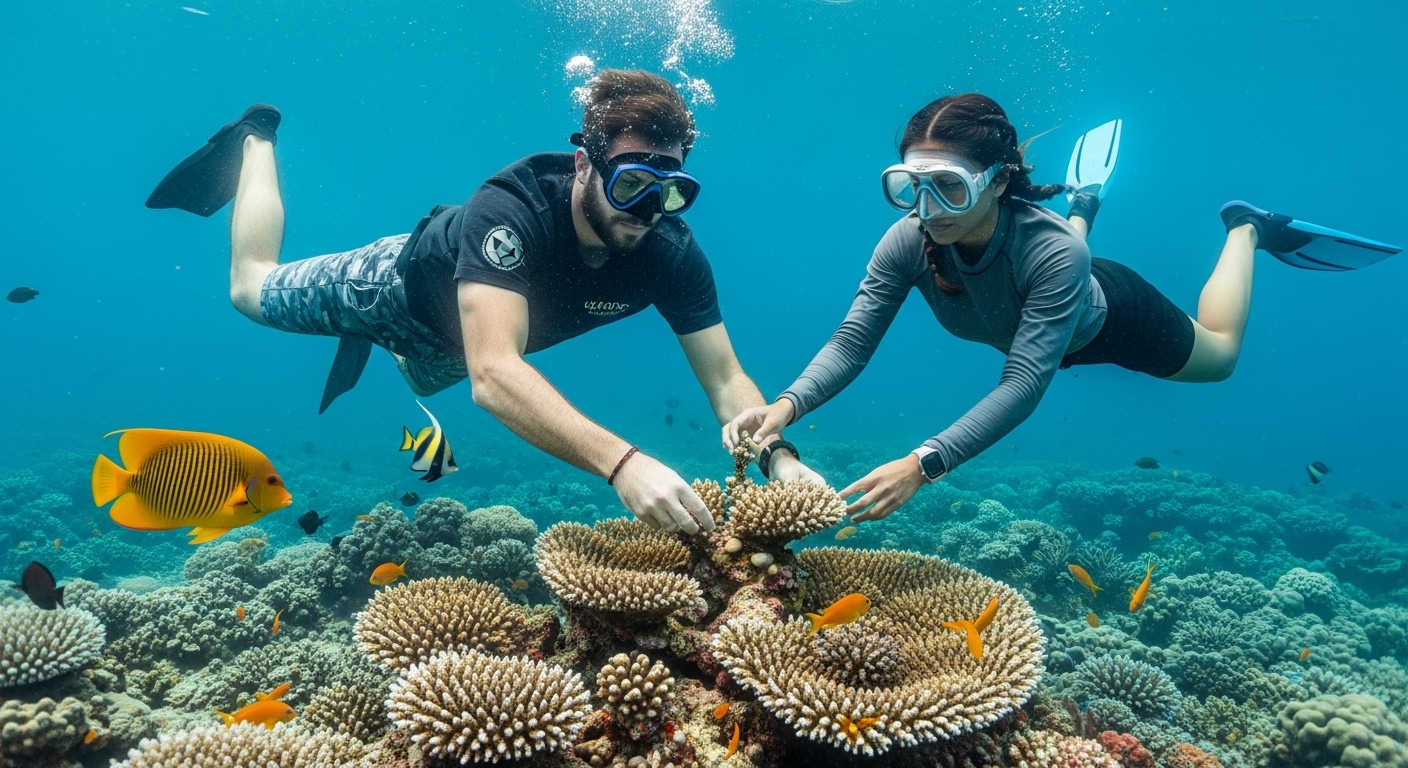
One bonus of philanthropic travel is the ability to extend your stay before or after volunteering. A week restoring reefs in Belize could be flanked by a few days in Mayan ruins. This balance lets you recharge, immerse, and reflect without burnout.
Another perk is pairing with eco-tours, wildlife safaris, or homestays—all of which create cultural exchange while supporting local livelihoods.
7. Staying Safe and Responsible
Safety matters more than ever in purposeful travel:
- Inform family/friends of whereabouts and schedule check-ins.
- Choose group placements or vetted homestays over solo remote sites.
- Bring necessary documents and photocopies.
- Understand local medical facilities and emergency procedures.
Ethical safety intersects with cultural respect—let locals guide interaction norms and avoid flashy displays of wealth or intention.
8. Measuring and Reporting Your Impact
After your stay, reflect and report. Good organizations ask for surveys, photos, or logs. But even solo travelers can journal daily, record conversations, track teaching hours, or measure fish counts.
This data serves volunteers and communities alike, guiding future projects and budget allocation.
9. Case Studies
Coral Reef Regeneration, Philippines
A volunteer group planted 500 mangrove seedlings and monitored coral health. Post-project, nesting sea turtles returned to the area. Volunteers reported 70% reef survival rates two years later—an outcome driven by local dive guides and scientific partners.
Rural Classroom Support, Kenya
Visitors spent 3 weeks supporting literacy programs. They delivered teacher workshops, supplied books, and renovated classrooms. One school saw a 15% improvement in reading test scores. Parents reported stronger attendance, and volunteer alumni return to mentor each year.
Community Beekeeping, Slovenia
Volunteers helped build fences, build hives, and harvest honey. Their efforts led to a partnership between villagers and tourism agencies—selling honey to visitors as souvenir income, protecting traditional biodiversity, and building cultural identity.

10. Transitioning Back Home
Returning with purpose can be powerful: you’ll want to re-contextualize your experience. Consider:
- Giving a presentation or photo night to friends.
- Starting a donation page or community fundraiser.
- Blogging or podcasting to raise awareness about your cause.
- Building ongoing relationships—Skype tutoring, seed exchanges, or art swaps.
Philanthropic travel seeds long-term engagement; don’t let it stop when you land home.
Philanthropic travel is travel with intention. When done thoughtfully, it enriches visitors and communities alike. As long as you choose respectful projects, vet partners, prepare thoroughly, and reflect deeply, you’ll not only see the world—you’ll leave it better than you found it. Have you combined vacation with impact? Share your story—and follow us for more mindful travel inspiration.
Catch up on the top stories and travel deals by subscribing to our newsletter!