When you think of historic travel, you might picture ancient ruins above ground—but some of the world’s most fascinating stories lie beneath your feet. Exploring underground cities reveals hidden layers of human ingenuity, survival, and adaptation. From silent caves turned dwellings to vast labyrinths carved for protection, these subterranean marvels offer immersive travel experiences unlike any other.
In this guide, we’ll delve into top underground cities across continents, uncover their origins, suggest travel tips, and help you appreciate how these buried settlements shaped human history. Whether you’re a history buff, adventure seeker, or simply curious, this journey below the surface will leave you with unforgettable stories and spatial wonder.
1. Cappadocia’s Underground Cities (Turkey)
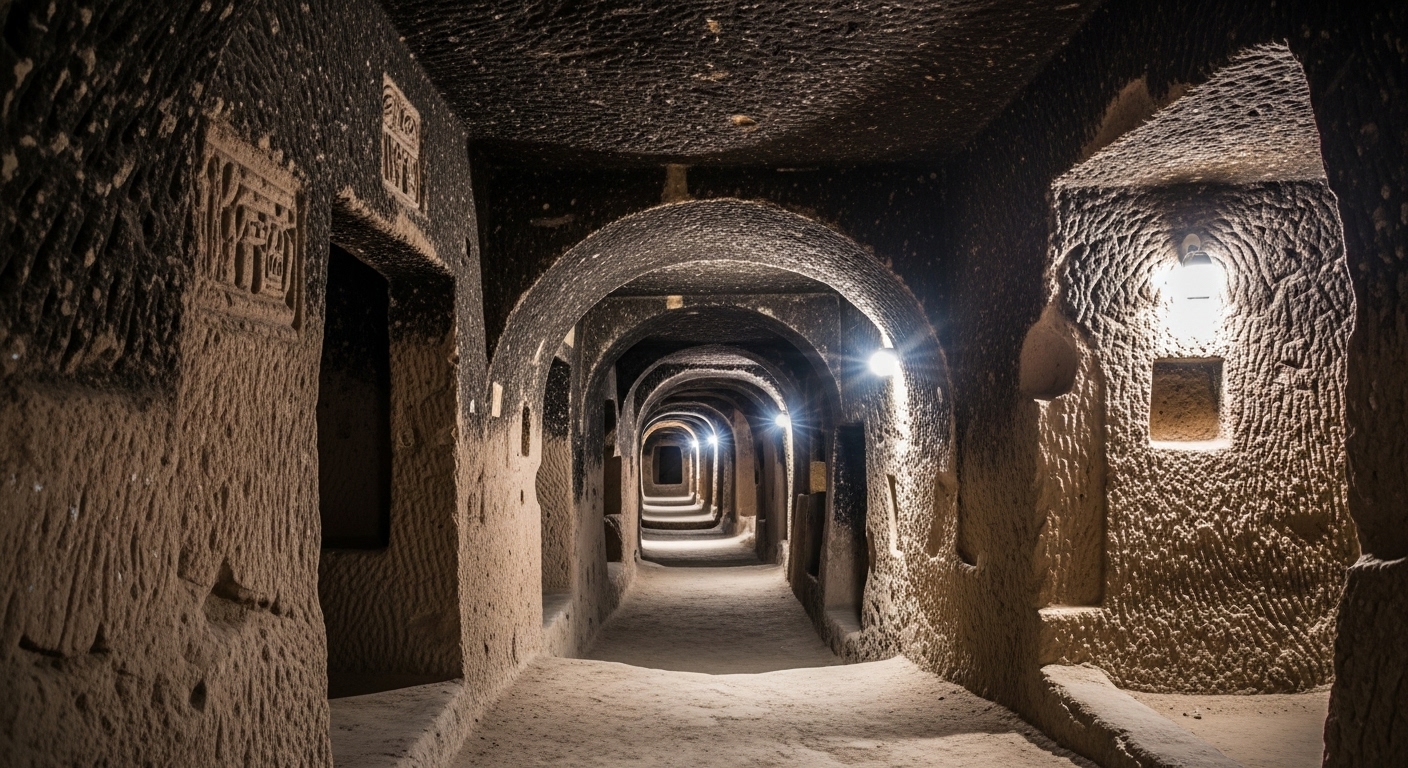
Tucked beneath the lunar-like terrain of Cappadocia lie multi-level underground complexes like Derinkuyu and Kaymaklı. Historians believe early Christians built these cities to hide from invaders. With deep shafts, ventilation systems, churches, and communal kitchens, Derinkuyu could shelter thousands. Exploring these tunnels—lit softly and echoing centuries—makes you feel part of a centuries-long saga. Practical tip: wear sturdy shoes and go early to avoid crowds.
2. Naours Caves (France)
North of Amiens, Naours shelter thousands of narrow galleries carved during the Middle Ages and later expanded in World War I. You’ll walk beneath towns, complete with quarries, stables, chapels, and writing carved into stone. The local guide’s dramatic torch-lit tour brings the silence and secrecy to life—an extraordinary example of hidden refuge in Europe.
3. Beijing’s Underground City (China)
Constructed during the Cold War, the Beijing Underground City is a vast bunker network originally intended to protect 300,000 residents from nuclear attack. Decades later, tunnels are empty or preserved. Guided visits—some requiring waders during floods—offer eerie glimpses into a time of geopolitical fear and civic engineering.
4. Wieliczka Salt Mine (Poland)
Just outside Kraków, this UNESCO World Heritage site offers ornate underground chapels, statues, and even chandeliers carved from salt. Descend hundreds of feet into rock salt galleries rendered in candlelight. It’s part museum, part spiritual site. As you stroll carved corridors and marvel at salt-carved scenes, you’ll understand why it’s considered one of the grandest underground cities built by humans.
5. Montréal’s RESO / Underground City (Canada)
A different kind of subterranean marvel, Montréal’s RESO is a vast indoor network connecting metro lines, malls, offices, and venues across 33 kilometers. It’s dry refuge during harsh winters. Exploring this modern underground city means navigating vibrant public spaces, restaurants, art installations, and more—all below street level.

6. Coober Pedy Opal Town (Australia)
Aboveground, Coober Pedy looks like any outback settlement—but many residents live underground in “dugouts” to escape extreme heat. Visit a local dugout home and museum carved into sandstone, explore underground churches, and learn about daily life buffered by earth. It’s live-in history: sustainable adaptation to climate extremes.
7. Setenil de las Bodegas (Spain)
Not entirely subterranean, but this Andalusian village is built beneath giant cave overhangs. Homes and cafés are plastered into cliffs. Strolling its narrow streets feels like crossing through time. Architecture adapts to rock formations, blending geology and living spaces. It’s a charming nod to how humans live in harmony with natural shelters.
8. Cappadocia’s Underground Cities
A return to Cappadocia reminds us that several villages in Göreme and Ürgüp also incorporate multi-floor cave dwellings carved into soft volcanic tuff. You can visit cave hotels, wineries, and amphitheaters—all echoing centuries of hidden urban development. These living underground spaces blur the line between hotel room and historical artifact.
9. Edinburgh Vaults (Scotland)
Beneath Edinburgh’s Old Town, the South Bridge vaults served as workshops, taverns, and illicit businesses in the late 18th century. Now it’s a mix of ghost stories and guided tours—passageways where 18th-century life persisted out of sight. Walking through low-ceilinged chambers brings to mind the grinding work and shadowed lives once lived below city streets.
10. Kunming Underground (China)
In Kunming, underground city tunnels once protected villagers from bandits and invaders. Today, they include teahouses, boutique shops, and galleries—all carved into red earth. It’s an example of ancient engineering repurposed for modern cultural use—blending protective history with contemporary social spaces.
What Defines an Underground City?
When we say “underground cities,” we refer to multi-room, multi-purpose subterranean complexes used for living, religious ceremonies, defense, commerce, or survival. While some are entirely buried, others are semi-underground or natural caves adapted for urban use. Across history, these adaptations show how humans respond to threat, climate, and opportunity by carving living environments beneath the earth.

How to Prepare for Underground Exploration
Below-ground travel is unique. Before visiting an underground city:
- Dress in layers: Temperature and humidity can vary significantly below ground.
- Wear sturdy, closed shoes: Floors can be uneven, slippery, or rocky.
- Bring a light: Even well-lit tunnels may have darker sections.
- Watch your head: Some passages have low ceilings.
- Go with a guide: Many underground cities have safety risks—guided tours add history and context.
- Check for accessibility: Some locations are not suitable for those with mobility challenges.
Why Underground Cities Capture Our Imagination
These subterranean marvels fascinate because they capture human resilience and creativity. In survival moments—war, persecution, climate extremes—people carved entire societies below land and sight. Today’s visitors experience layered history, craftsmanship in stone, and echoes of ancient voices. Exploring underground cities is travel with a time-machine twist: you descend into layers of human stories, ingenuity, and spirit.
Examples of Cultural Layers Below the Surface
In Cappadocia, you’ll discover ancient church frescoes hidden beside tunnels used by banding groups centuries ago. At the Wieliczka Salt Mine, miners turned chapels into art carved from salt crystals. Montreal’s RESO shows how modern architecture builds comfort underground. Coober Pedy’s homes show adaptation driven by climate. These examples remind us that underground cities are not frozen in time—they evolve with each generation.
When and How to Visit Safely
Plan with these tips:
- Off-season visits: Underground cities can get crowded—choose shoulder seasons or early tours.
- Guided vs self-guided: Tours provide historical insight; self-guided gives freedom—choose according to your learning style.
- Respect preservation rules: Avoid touching frescoes, graffiti-free caves, and follow marked routes.
- Combine with above-ground exploration: Many underground sites are paired with above-ground walking tours—mix the two.
Exploring underground cities isn’t just adventure—it’s a lesson in history, human spirit, and spatial ingenuity. Whether in Cappadocia’s cave vaults, Montreal’s commercial tunnels, or ancient salt mines, each site has distinct architecture, purpose, and emotional resonance. So, next time you plan a trip, dive below the surface—explore hidden cities and step into history’s underground chapters. Tell us which underground city you’d visit first—and follow us for more deep-dive travel ideas.
Catch up on the top stories and travel deals by subscribing to our newsletter!