If your dream is to wander through forests, mountains, or coasts that feel wild and unspoiled, you’re in the right place. Across the globe, isolated corners remain preserved—where ecosystems function undisturbed, wildlife thrives, and human footprints are rare. In this guide, you’ll discover countries offering truly untouched nature, learn how to access remote landscapes, and gain tips for visiting responsibly. Whether you’re hiking ancient forests, kayaking glacial fjords, or camping in desert silence, these places still retain their primeval edge.
We’ll highlight top destinations—from Siberia’s taiga to Patagonia’s wilderness, Greenland’s ice floes to Papua’s rainforests. You’ll also get packing lists, season guides, ethical principles, and planning insights for tapping into untouched nature without causing harm. Pack your binoculars and sense of wonder—you’re about to step off the beaten path.
1. Mongolia: Endless Steppe & Remote Desert
In Mongolia, the vast Gobi Desert and forested Altai Mountains remain largely unspoiled. Here, you’ll encounter untouched nature on horseback or by foot, with just the breeze, nomad camps, and boundless horizon around you. Explore Khövsgöl Lake’s glacier-fed blue waters or sand dunes with hidden springs. To preserve this solitude, choose community-based stayovers and low-impact camping.

2. Greenland: Iceberg-Lined Fjords & Arctic Silence
Greenland’s fjords, icebergs, and tundra feel otherworldly—and remain nearly untouched. Trek along Ilulissat’s ice-choked bays or kayak alongside calving glaciers in Scoresby Sound. Wildlife sightings include musk oxen, seals, and polar bears. For best access, travel during summer months and trust local guides to navigate fragile terrain. This is untouched nature at its purest.
3. Papua New Guinea: Pristine Rainforest & Cultural Depth
Papua’s dense jungles, highlands, and coral reefs are among the most biodiverse—and unspoiled—on Earth. Here, rivers, remote villages, and bird-of-paradise habitats remain untouched by mass tourism. Trek along Sepik River tributaries or birdwatch in mountain valleys, but prioritize permits and respect indigenous territories. You’re entering true untouched nature, so follow tribal guidelines and low-impact practices.
4. Botswana: Wild Okavango & Kalahari Quiet
Botswana’s Okavango Delta and remote Kalahari regions offer eco-camp experiences that blend luxury with respect for wilderness. You can only access some zones by light aircraft or boat safari, keeping development minimal. Elephants, wild dogs, and lions roam freely. Guided walking safaris let you tread gently on wild terrain. This corner of Africa remains among the last expanses of untouched nature.
5. New Zealand: Fiordland & Alpine Wilderness
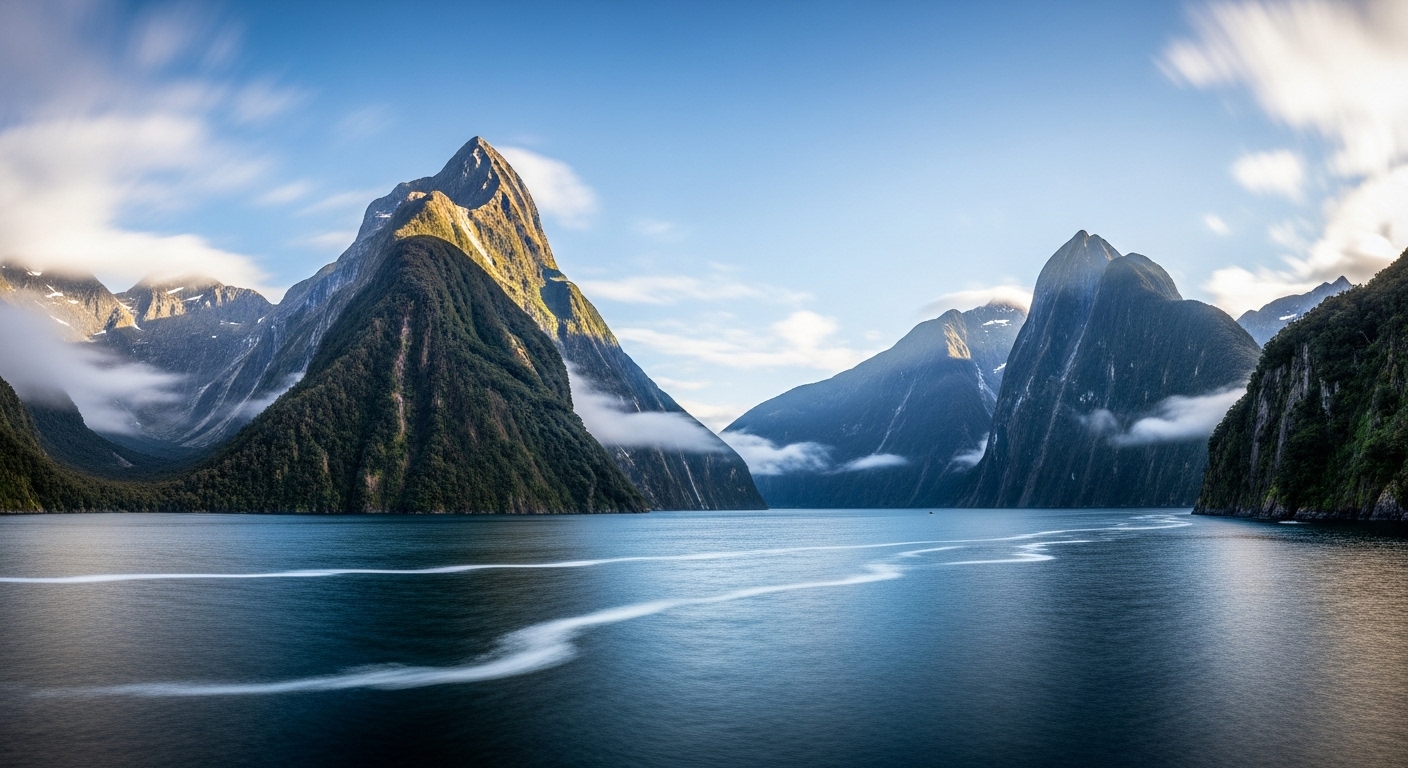
In New Zealand’s South Island, Fiordland National Park and the adjacent Tasman Wilderness preserve willful landscapes. With few roads and strict regulations, much of this land stays in its natural state. Tramp through dense rainforest or paddle deep fiords at Milford Sound. Conservation infrastructure protects streams from invasive species—keeping its beauty intact and on par with other top tiers of untouched nature.
6. Chile: Patagonia to the Peaks of Aysén
Southern Chile holds some of South America’s last frontiers. Torres del Paine and the neighboring Aysén region feature vast glaciers, lenga forests, and silencio. Trails range from multi-day treks to remote wilderness camps. Infrastructure remains minimal, and you’ll often walk—or sail—alone. CANAS Patagonia and local guides help you tap into truly untouched nature without adding crowds.
7. Canada: The Northern Boreal & Arctic Archipelagos
Canada’s boreal forests and Northern Territories harbor vast swaths of untouched forest and frozen peaks. In Nunavut or the Northwest Territories, polar bears, caribou, and tundra flowers await. Canoe the Nahanni River or ski through untouched parklands. With minimal tourism and vast zones protected as national parks, this remains one of the best places for untouched nature.
8. Madagascar: Endemic Forests & Baobab Plains
Madagascar’s rainforests and remote southwestern plains feel timeless. Lemurs, baobabs, and chameleons thrive in lands less visited. Visit reserves that allow camping and guided forest walks with hidden paths. Choose low-impact lodges that support community and conservation. Here, you’ll encounter untouched nature in both biodiversity and scale.
9. Russia: Siberia’s Taiga & Kamchatka Volcanoes
Siberia is the world’s largest intact boreal forest—teeming with bears, elk, lynx, and rivers without dams. Eastward in Kamchatka, volcanic peaks meet untouched coastline. Helicopter and rafting expeditions lead to hot springs under the aurora. Only guided expeditions with permits can enter, preserving the wild feel. It remains a top choice for explorers seeking genuine untouched nature.
10. Alaska, USA: Arctic Foothills to Coastal Rainforest
Alaska remains America’s last wild frontier, where boreal forest, tundra, and glacial fjords coexist. Bus and ferry routes connect remote lodges, and bush planes reach seldom-visited wilderness. From soggy coastal rainforests in the southeast to the Brooks Range tundra, you’ll find trails, kayak bays, and wildlife with no human presence. Alaska stands as a testament to untouched nature at scale.

Ethics of Visiting Pristine Environments
When visiting remote lands, your choices matter. Keep gear clean to avoid introducing species, stay on trails, carry out waste, and avoid feeding wildlife. Leave no trace in its literal meaning. Research tribal lands and protected zones before planning. Support communities through respectful tourism, hiring local guides and using eco-certified lodges.
Best Seasons and Access Tips
- **High season windows**: summer for Arctic, Kamchatka, Patagonia; dry season for tropics.
- **Permits and fees**: Many parks limit annual entries—book months ahead.
- **Transport**: In remote places, plane charters, boats, or horseback may be required.
- **Health prep**: Insect repellent, remote med kits, altitude or cold-weather gear.
- **Skill levels**: Many destinations require navigation or expedition support—don’t improvise.
What to Pack for True Wilderness
- Layered clothing: merino, windproof, raingear.
- Navigation essentials: satellite communicator, maps, compass.
- Wildlife optics: binoculars, camera with tele lens.
- Field nutrition: freeze-dried meals, high-calorie snacks.
- Emergency kit: Mini-first aid, repair tools, packable tent.
Preserving the Wild: Your Role
When you step into pristine landscapes, you carry a responsibility. Leave behind support—donate to conservation projects, join citizen surveys, or travel with foundations working to preserve ecosystems. Choose carbon offsets and low-impact transport. Your visits help maintain, not degrade, these rare patches of earth.
Seeking places where untouched nature still survives means entering landscapes that depend on balance—a balance between exploration and preservation. Whether you find yourself in Mongolia’s steppes, Greenland’s ice mouths, or Siberia’s taiga, you’ll walk through ecosystems that few have touched. With care and humility, these remote vacations can recharge you while keeping the earth intact. Which country’s wilderness calls to you? Share your dream remote destination below—and follow us for more guides to off-grid travel and conservation adventures.
Catch up on the top stories and travel deals by subscribing to our newsletter!