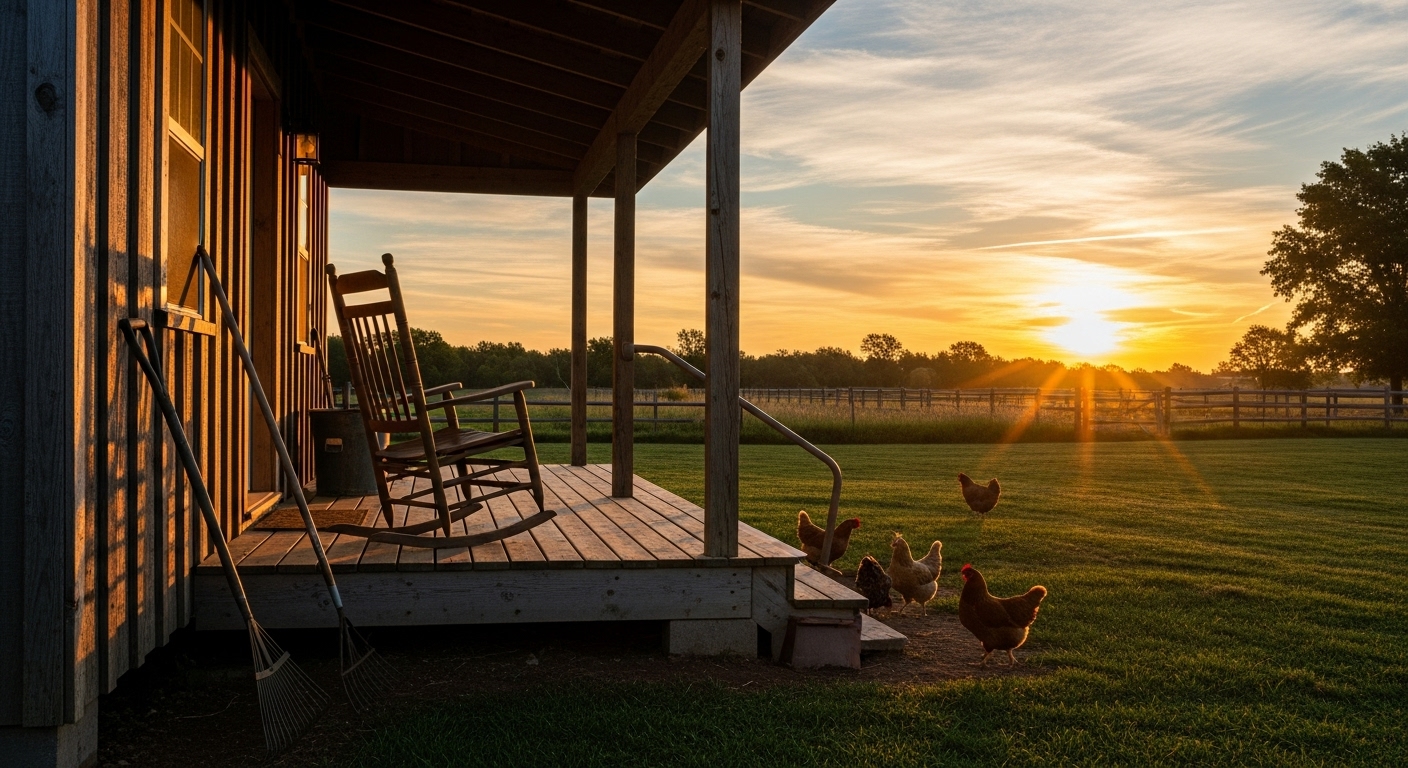
Imagine waking up to birdsong, breathing crisp morning air, and stepping into a world where your surroundings grow the food on your plate. That’s the charm of staying on a working farm—where every moment is slower, more thoughtful, and rooted in something real. This kind of experience invites you to reconnect with nature, support local communities, and recharge in a completely different way from traditional tourism.
Whether you’re harvesting vegetables with the host or just observing the rhythm of rural life, these stays offer something rare: authenticity. In this guide, we’ll explore what makes this type of lodging unique, how to choose the right one, and what benefits travelers gain from spending time in these peaceful settings.
1. Escape the Rush: Embrace Slower Travel
City trips often come packed with schedules, tickets, and deadlines. A rural retreat encourages spontaneity and stillness. Morning coffee might come after feeding chickens. Afternoons could be spent reading under trees or helping plant herbs. Evenings usually involve shared meals made from freshly picked ingredients.
This slower pace gives travelers a mental reset. Without traffic or crowded attractions, the day’s highlights shift toward simplicity: a sunset over fields, or learning to knead dough beside a lifelong baker.
2. A Boost for Local Economies
Staying on a farm often means your money goes directly to a family or small business rather than a chain. Many rural hosts grow food, produce handmade goods, or raise animals, and your visit supports their work. In some areas, these accommodations have helped keep small farms alive by offering another source of income.
It’s travel that gives back—helping rural economies flourish while offering travelers a meaningful experience.
3. Dining That Connects You to the Land
Many properties serve meals made with ingredients from their own land: eggs from the coop, greens from the garden, milk from the barn. Some even invite guests to help harvest ingredients or join cooking sessions.
Eating this way isn’t just healthy—it’s grounding. It reminds you that meals begin long before the kitchen, with soil, seasons, and careful hands.

4. Activities for Every Kind of Traveler
You don’t have to milk a cow to enjoy the countryside. Many hosts offer optional participation, from orchard tours to flower arranging. Others provide outdoor adventures like hiking, stargazing, or riding bikes along quiet backroads.
For those seeking wellness, some properties include yoga decks or outdoor tubs with views of the hills. Whether you want to get involved or simply relax, there’s a fit for your travel style.
5. Where to Go: Popular Regions
- Tuscany, Italy: Known for scenic vineyards, olive groves, and home-style Italian cooking.
- New Zealand: Family-friendly places with sheep herding, horseback riding, and mountain views.
- Japan: Rice farms and tea estates offer immersive cultural exchange in the countryside.
- USA (Vermont, Texas, Oregon): Apple orchards, flower farms, and eco-homesteads.
- Chile & Argentina: Wine country with artisanal cheese, rustic architecture, and llama sightings.
6. Tips for Choosing the Right Stay
- Read reviews carefully: They reveal if it’s a quiet retreat, kid-friendly, or activity-packed.
- Check the season: Spring and fall often offer the most engaging experiences.
- Ask about involvement: Some hosts welcome hands-on help; others focus on hospitality.
- Consider meals: Do they offer cooking classes or serve meals made from farm ingredients?

7. Packing List for Rural Comfort
- Closed-toe shoes or boots for walks and barn visits
- Reusable water bottle and tote bags
- Layers for varying temperatures
- Sunscreen, insect repellent, and a wide-brim hat
- Notebook or journal for reflections
8. Guest Perspectives
Sophie, who stayed at a sheep farm in New Zealand, says, “Feeding lambs at sunrise was better than any hotel breakfast.” In France, Daniel helped press olive oil and said the hands-on nature of the stay changed how he shops and cooks.
These aren’t just vacations—they’re personal stories with lasting impact.
After a peaceful countryside escape, you may find yourself craving slower routines. Many guests go home with fresh habits—cooking more, waking early, or gardening. It’s a way of bringing part of your experience back with you.
If you’re seeking travel that offers more than sightseeing—connection, calm, and care—consider a countryside retreat. It’s an opportunity to live with intention, share meals with locals, and see the world from a new, grounded perspective. Try one next time you plan a getaway—you might just return with more than souvenirs.
What’s your ideal countryside escape? Share your thoughts in the comments below!
Catch up on the top stories and travel deals by subscribing to our newsletter!