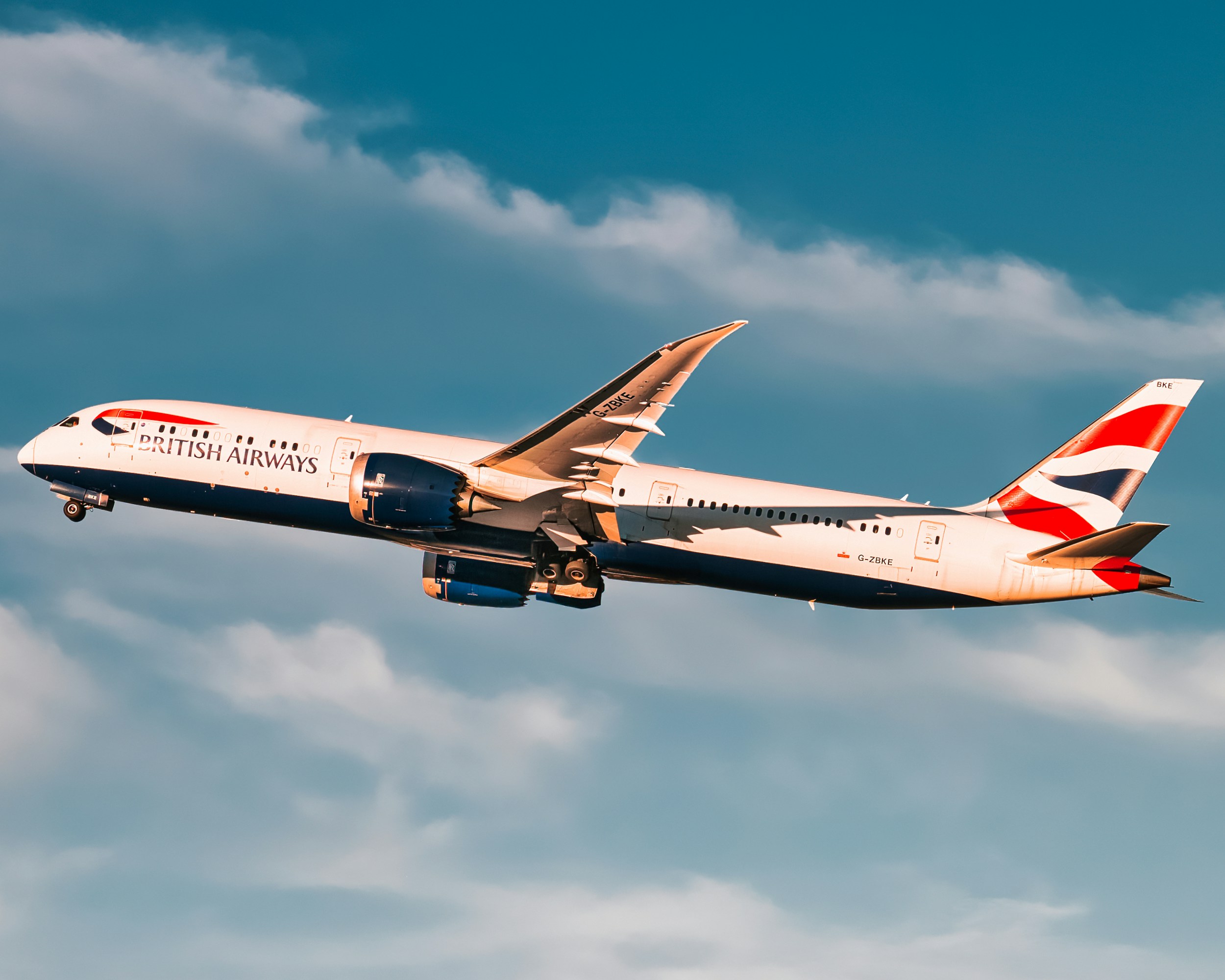
British Airways has taken a bold step to lead aviation into a greener future. Therefore, the airline has signed a major agreement with EcoCeres to boost its sustainable aviation fuel (SAF) supply. Moreover, British Airways wants to power 10% of its fleet with SAF by 2030. In addition, the airline aims to achieve net-zero carbon emissions by 2050. Consequently, the partnership with EcoCeres supports these ambitious goals and shows British Airways’ strong commitment to sustainability.
Furthermore, British Airways plans to cut 400,000 metric tons of carbon emissions through this deal. Because EcoCeres makes SAF from renewable resources like waste oils and plant residues, it can cut lifecycle emissions by up to 80% compared to regular jet fuel. Meanwhile, British Airways already uses SAF for 2.7% of its fuel needs, but this new move strengthens its efforts even more. Besides that, the airline also invests in other SAF projects globally, including working with LanzaJet to develop production facilities in the UK and the US.
Additionally, governments across Europe and the UK now demand airlines use at least 2% SAF by 2025. Thus, British Airways stays ahead of this regulation by building partnerships and scaling production. Together with new efficient aircraft and better operations, this SAF focus supports its net-zero mission. Because of the EcoCeres partnership, British Airways shows dedication to leading the shift to cleaner skies. As a result, the airline inspires others to adopt green strategies and tackle climate change head-on.
Ultimately, British Airways shows that sustainability and growth can go hand in hand. By investing in SAF and forming strong partnerships, British Airways drives the industry towards a low-carbon future. Hence, this move not only benefits the airline and passengers but also supports the global fight against climate change.
Related stories:
Catch up on the top stories and travel deals by subscribing to our newsletter!