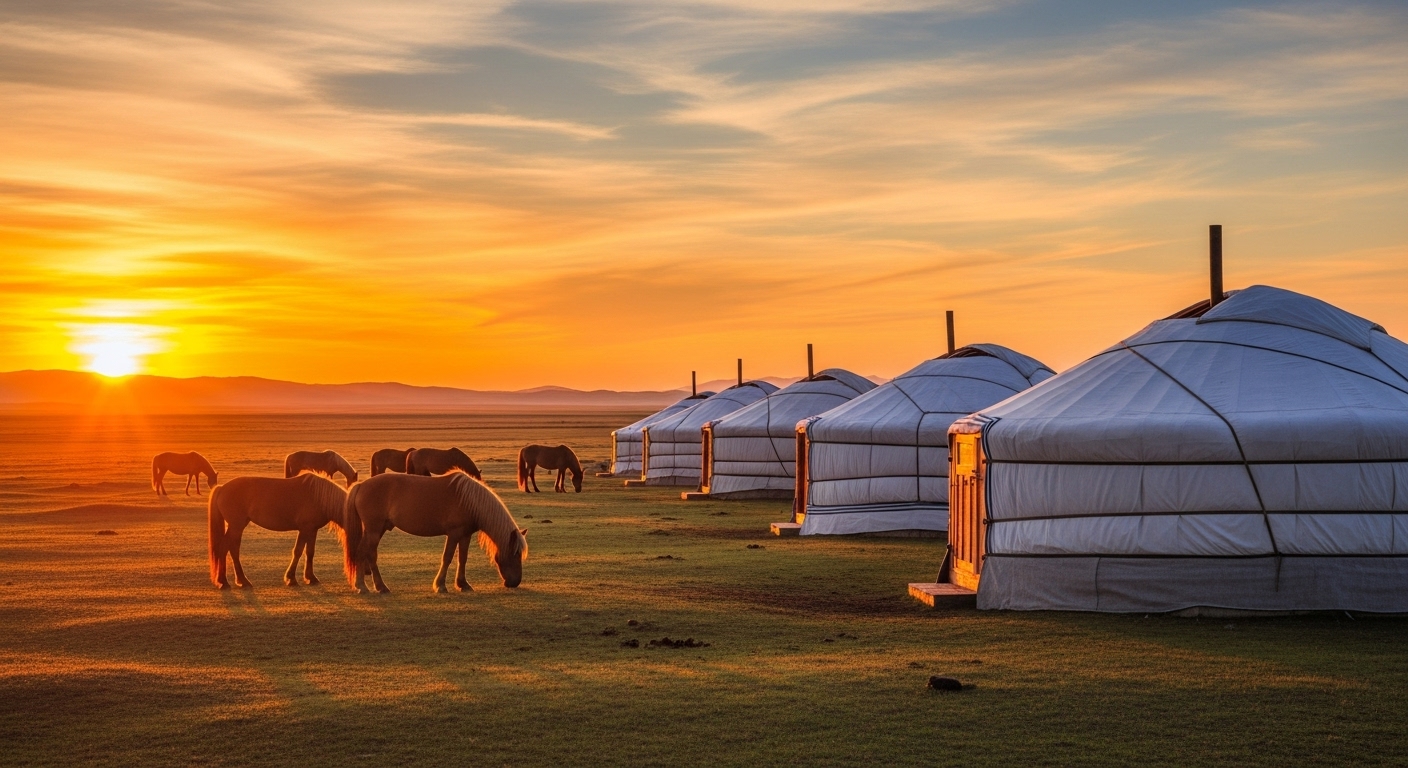
Immersing yourself in nomadic culture offers a rare chance to connect with a way of life defined by movement, nature, and heritage. In Mongolia, you’ll find sweeping steppes, traditional yurts, and eagle hunters who preserve centuries-old skills. Meanwhile, in Morocco, camel caravans cross the desert as Berber families maintain their ties to the land, tradition, and hospitality. These are not theme-park recreations—they are living, breathing cultures, rich in identity and depth.
For travelers seeking authenticity and meaning, both Mongolia and Morocco promise a different pace. Rather than chasing landmarks, you’re invited to slow down and embrace rhythm—of weather, people, and land. This guide explores how to engage with nomadic culture in both countries, where to go, what to expect, and how to do it respectfully. Let’s take a journey into two different landscapes, united by their people’s deep connection to place and purpose.
1. Why Nomadic Culture Still Matters
In an increasingly globalized world, nomadic culture may seem outdated. However, it offers vital lessons about resilience, adaptability, and sustainability. In Mongolia, herders migrate seasonally with horses, yaks, and sheep, maintaining an intimate understanding of the natural world. In Morocco, Berber nomads navigate vast desert stretches, setting up camps, caring for animals, and passing down stories that stretch generations.
Unlike sedentary lifestyles, nomadism prioritizes mobility and interdependence with the environment. It demonstrates a low-impact way of life that values resourcefulness over excess. Even as climate and economic pressures reshape traditional routes, many families remain committed to their way of life. By learning from them, travelers gain not only insight but humility and inspiration.
2. Should You Choose Mongolia or Morocco?
Both Mongolia and Morocco offer immersive experiences, but the landscapes, customs, and encounters differ in striking ways. Understanding these differences can help you decide which destination aligns best with your travel interests.
Go to Mongolia if you want:
- Open grasslands and mountain passes with few tourists.
- Horseback riding with Kazakh eagle hunters.
- To live in a traditional ger and assist with herding animals.
Go to Morocco if you want:
- Sand dunes, kasbahs, and golden sunsets in the Sahara.
- Mint tea ceremonies, Berber music, and bustling souks.
- To join camel caravans and desert festivals under the stars.
Both offer cultural depth, but your experience will be shaped by geography. In Mongolia, your days may be filled with sheep shearing and stargazing over endless plains. In Morocco, you’ll feel the pulse of tradition in drumming circles and tagine-sharing feasts beside shifting sands. Whichever you choose, your connection with nomadic culture will be profound.

3. How to Travel Respectfully with Nomads
Being a guest in a nomadic community means more than just staying in a yurt or tent. It means entering a space of shared values and traditions. To travel respectfully, research locally-owned tour operators who work with communities. Avoid large agencies that commodify nomadic culture without giving back.
Start with small gestures: learn a few greetings in Mongolian or Tamazight (Berber). Observe before participating, and always ask before taking photos. Nomads live without many of the conveniences travelers are used to—so show gratitude by adapting, not demanding.
In Morocco, accept tea when offered—it’s both a sign of respect and a ritual of connection. In Mongolia, step over the threshold of a ger without touching the frame, and move clockwise around the stove. Such etiquette honors their hospitality and deepens your understanding.
Additionally, choose camps that use solar energy, compost toilets, or support local schools. These choices reduce your footprint and increase the positive impact of your presence. Remember, your curiosity is welcome—but must be paired with sensitivity and care.
4. Daily Life in Nomadic Communities
Everyday life among nomads is shaped by nature. Mornings often begin early—with milking, cooking, or guiding animals to graze. Guests are usually welcome to help with chores, such as fetching water, gathering fuel, or preparing meals.
Meals are shared communally, using ingredients produced locally. In Mongolia, this might include aaruul (dried curd), milk tea, or mutton stew. In Morocco, expect couscous, flatbread, and sweet mint tea. Conversation flows slowly and often nonverbally—through gestures, smiles, and shared tasks.
Afternoons offer time to explore nearby landscapes, hear local legends, or learn practical skills like felting, leatherworking, or tent assembly. Children often play freely while elders share oral histories. Evenings are for warmth and reflection—whether around a fire or under an open sky.
Experiencing nomadic culture isn’t just observing; it’s participating. Whether you’re tying a camel saddle or weaving goat wool, your hands—and heart—will be involved.
5. Cultural Highlights & Must-Do Experiences
Each country brings something unique. In Mongolia, highlights include:
- Eagle hunting demonstrations: Watch trained golden eagles swoop across the steppe under the control of expert hunters.
- Naadam Festival: Celebrating wrestling, archery, and horse racing, this is a vibrant expression of national pride.
- Ger building: Learn how nomads assemble their homes using felt, wood, and rope—efficiently and beautifully.
In Morocco, don’t miss:
- Sahara treks: Walk or ride camels across towering dunes and camp beneath a dazzling Milky Way.
- Gnawa music and dance: Experience healing rhythms that blend African and Arab traditions.
- Oasis life: Visit desert oases where date palms thrive and communities thrive in the harshest conditions.
These activities bring the heart of nomadic culture to life—not as performances, but as daily acts of beauty, survival, and art.
6. What to Pack for Nomadic Travel
Comfort and respect go hand in hand when visiting remote communities. Here are some essentials:
- Layered clothing: Both Mongolia and Morocco experience temperature swings. Bring warm, breathable layers.
- Head coverings: Useful for sun, wind, or sand protection. In Morocco, a scarf also shows cultural respect.
- Reusable water bottle: Stay hydrated without creating plastic waste.
- Solar charger: Electricity is limited—especially in tents or gers.
- Notebook or translation app: Helps with communication, especially where English is rare.
- Small gifts: Practical items like tea, school supplies, or scarves are often appreciated.
Above all, pack a spirit of patience. Nomadic travel means adapting to natural rhythms. Sometimes plans change due to weather or animals. That unpredictability is part of the experience—and often leads to the most memorable moments.

7. Supporting Nomadic Communities
Your trip can leave a positive legacy. Choose to support co-ops, guesthouses, and guides that keep money within communities. Avoid mass-tourism packages that treat nomads like backdrops instead of hosts. Look for programs that help nomadic children access mobile schooling or veterinary services for herds.
Some nonprofits and NGOs also help nomadic women learn new skills while preserving traditional ones. Consider donating or promoting their work. Even simple choices—like tipping fairly or sharing your experience online—can help attract conscious travelers and strengthen local economies.
By traveling intentionally, your journey becomes part of a larger story—one that respects culture, uplifts communities, and values human connection over convenience.
8. Reflecting on Your Experience
Once home, the rhythm of nomadic culture lingers. You may find yourself waking earlier, using resources more mindfully, or craving the simplicity of communal meals. These subtle shifts signal something deeper: a transformation not just of place, but of self.
Share what you’ve learned. Prepare a Mongolian dish or Moroccan tea for friends. Talk about how it felt to sleep under stars or learn from elders. In doing so, you honor the people who welcomed you—and invite others to approach travel with openness and care. Ultimately, nomadic culture offers more than beauty or adventure. It teaches us to move gently through the world, guided by season, respect, and the bonds we create. Whether across steppes or sands, those lessons stay with you long after the journey ends.
Catch up on the top stories and travel deals by subscribing to our newsletter!