Exploring new city cafés can be thrilling—especially when you bypass Google. Instead, relying on real-time local hints and sensory cues helps you uncover authentic gems. In this guide, we’ll reveal proven steps to find the best coffee shops by using methods like map-reading, community tips, scent trails, and neighborhood exploration. You’ll discover practical tricks to spot quality cafés through aroma, décor, local patronage, and more—so that every cup becomes an adventure.
First, we’ll set the right mindset and early clues. After that, we’ll dive into tactics using non-digital tools—like asking locals, observing foot traffic, and following smells. Next comes deeper strategies: tapping into local media, analog guides, taste testing, and learning global coffee customs. Finally, we’ll cover pre-travel prep and lo-fi tech tricks to make each coffee stop seamless. This step-by-step system helps you identify the best coffee shops using senses, culture, and curiosity.
1. Set Your Coffee Radar Before You Arrive
Before you even land, prepare by reviewing travel magazines, heritage café guides, or taking tips from friends who live there. Mark neighborhoods known for café scenes—pedestrian districts or creative quarters—to prime your coffee radar. In doing so, you’ll recognize a promising streetscape or enticing storefront at first glance.
2. Let Aroma and Activity Guide You
Once you’re out exploring, follow your senses and surroundings: the smell of fresh espresso drifting from an open doorway is often a reliable clue. Meanwhile, observe who’s inside or lining up—laptop users, locals sipping at the counter, or delivery riders waiting—these are signals of quality brewing. Therefore, paying attention to both aroma and foot traffic usually leads to the best stops.
3. Notice Where Locals Gather
When you find a café filled with regular patrons rather than tourists, you know you’re close to one of the best coffee shops. Local favorites are often quieter but more authentic. They show up early, greet staff by name, and create comfortable habits. As a result, spotting a crowd of familiar faces tells you this place fits the neighborhood—and its coffee is worth trying.
4. Watch for Cultural Cues and Décor
You can learn a lot just by looking. For instance, high-end espresso machines, fresh latte art, visible bean sacks, or roaster branding often indicate serious craftsmanship. Additionally, chalk menus or hand-painted signs express neighborhood pride. If possible, pick up a few coffee-related words in the local language—like “espresso,” “café,” or “ristretto”—to spot hidden spots that may not look touristy.
5. Ask Locals—Casually and Confidently
Approach someone in a bookshop, artisanal bakery, or market stall with a friendly “Where do you go for a good coffee?” Preceded by a compliment about the area, this question often yields great insider tips. Furthermore, locals are usually happy to recommend a tucked-away café that doesn’t advertise online.
6. Check Analog Media and Local Notices
Free city magazines, local newspapers, and community noticeboards can be treasure troves. They often feature café highlights or host ads from small roasters. When you stroll past a co-working space or cultural center, take a moment to browse their flyers or look at their coffee machine brand—these subtle cues often lead to hidden gems.
7. Join Specialty Coffee Meetups or Roastery Events
Many cities host coffee tastings or roastery open days to share their latest blends. By attending one of these events, you get to sample varieties and meet insiders. Moreover, you might hear about a micro-roastery with a tiny café or a pop-up stand perfect for a local-locals experience.
8. Taste Like a Champ—Compare Small Servings
Order a single espresso shot or small brew to assess the flavor: is it bright, nutty, floral, chocolatey? Good cafés often offer several single-origin or blend options. Next, take time to note acidity, sweetness, body, and aftertaste—this builds your personal flavor map. That way, each subsequent visit helps you refine what you truly enjoy.
9. Learn the Local Coffee Customs
Coffee rituals vary widely—from Italy’s standing bar culture to Japan’s meticulous pour-over bars. Observing these routines not only teaches you about local traditions but also helps you spot cafés that care about technique and quality. These are almost always among the best coffee shops.
10. Keep a Coffee Travel Journal
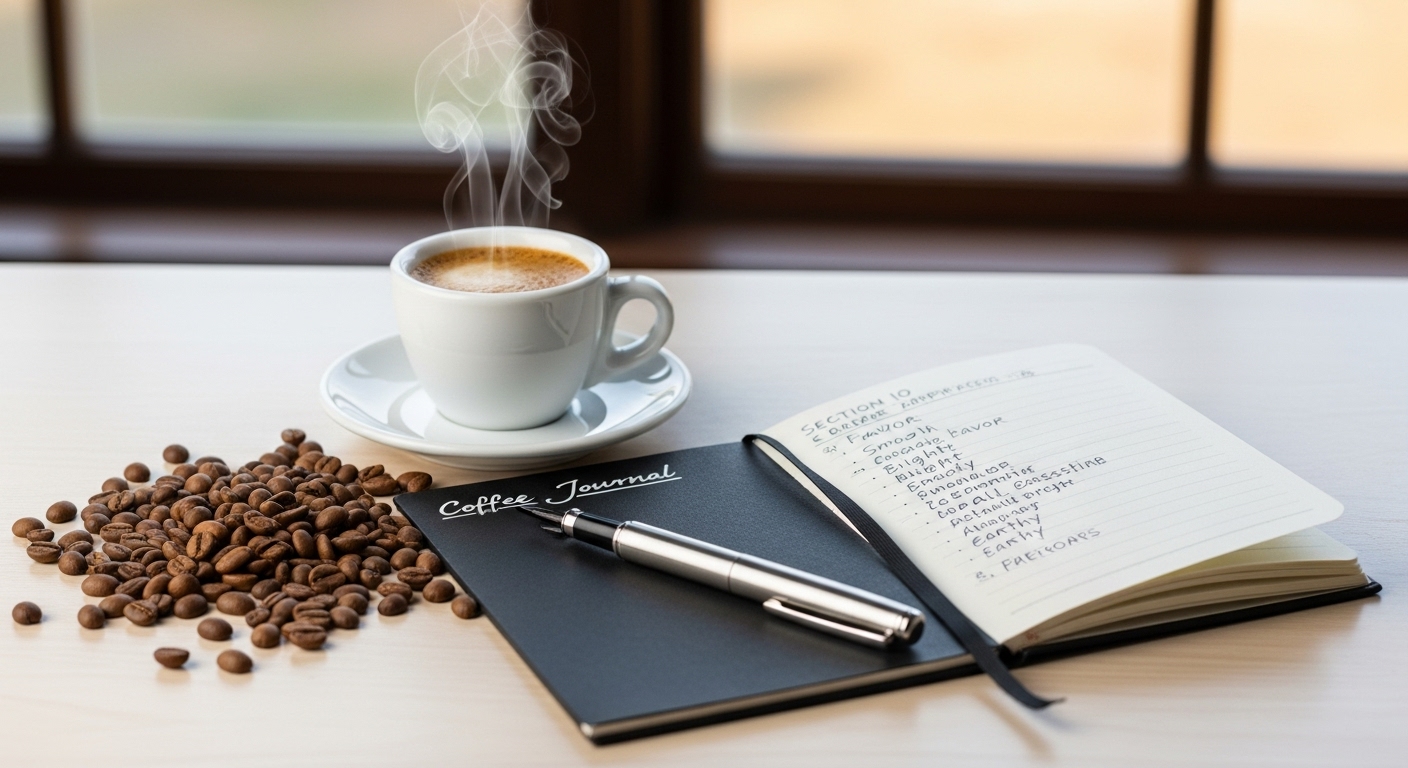
Bring a compact notebook or use your phone to record café names, streets, orders, and flavor notes. Add quick sketches or photos of décor and menus. Over time, patterns emerge—maybe your favorite cafés cluster near parks or heritage buildings. This journal becomes both a helpful guide and a fond memory book.

11. Blend Lo-Fi Tools with Offline Tech
Download offline maps and drop pins when you find a café worth remembering. Also, take photos of storefronts, their address numbers, or menus. Later, when you’re on Wi‑Fi, you can look up opening hours or directions. This low‑tech method supports your hands‑on discovery process without relying on Google Maps in the moment.
12. Trust Your Taste—and Instinct
Occasionally, a café feels right too quickly—the light, the vibe, the energy. Even if it’s unfamiliar, trust that instinct. Sometimes you’ll discover a bakery next door or a barista who becomes a friend. Either way, following your gut often leads to the most satisfying coffee experience.
13. Prep Before Departure
- Learn a few coffee terms in the local language.
- Carry small change or a reusable mug if café encourages it.
- Pack a tote for beans or baked treats you pick up.
- Bring travel-friendly filters or an aeropress for brewing on the go.
14. Use Methods Day-by-Day
- Day 1: Start with aroma and foot traffic.
- Day 2: Chat with locals for inside tips.
- Midweek: Attend a roastery event or pop-up.
- End of week: Review your journal, revisit favorites.
By combining senses, local insight, and slow-travel methods, you’ll consistently find the best coffee shops in any city—no Google needed. This approach brings authenticity, surprise, and soulful experiences far beyond star ratings and algorithms. Which hidden café have you discovered by accident? Please share your story—and follow us for more sensory-driven travel guides and coffee culture adventures.
Catch up on the top stories and travel deals by subscribing to our newsletter!