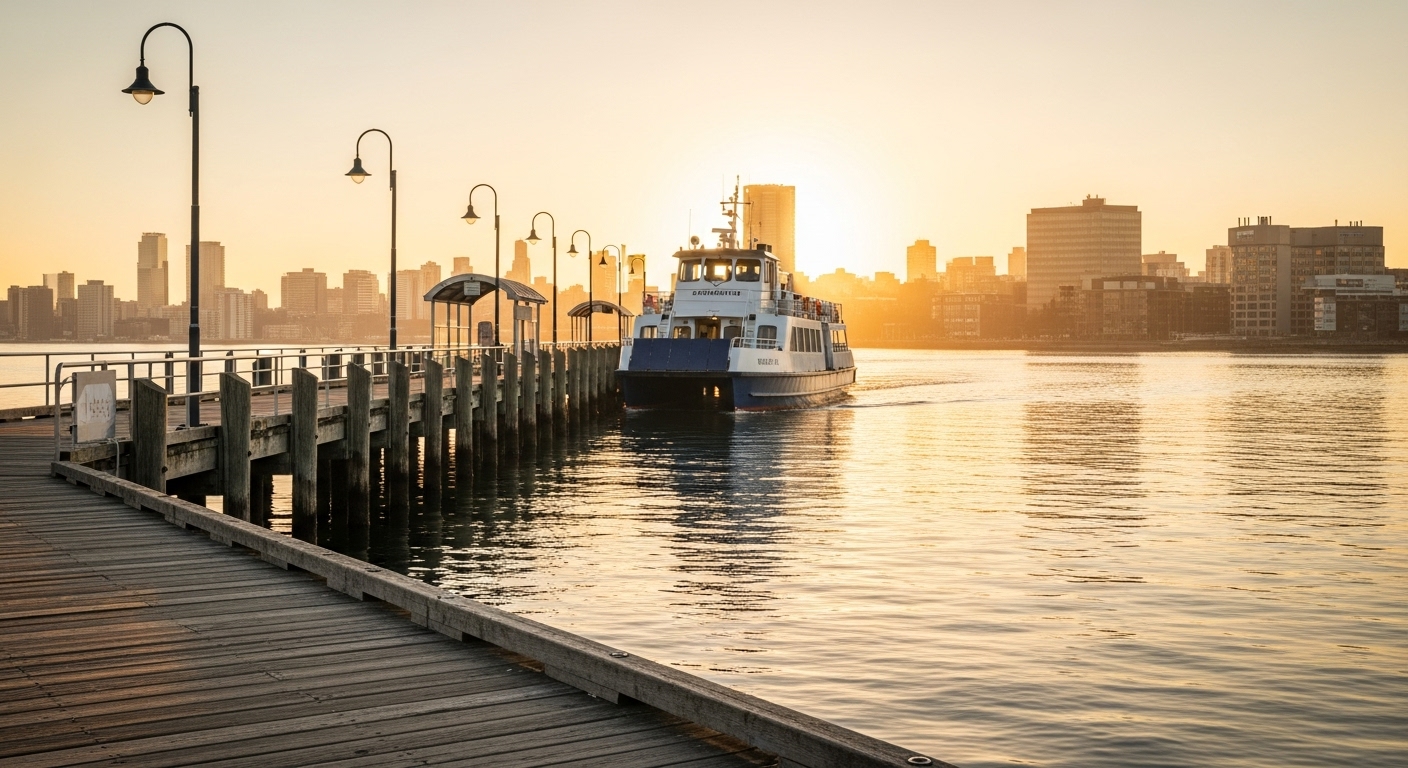
Discovering a city via ferry feels like unlocking a secret route through its heart—so much so that ferry travel becomes more than just transport; it becomes the adventure. In this guide, we’ll show you how to turn ferry travel into your primary way to explore—using routes, timing, local tips, and smart habits to make every trip part of your journey. Whether you’re navigating canals, coastal lines, or river systems, these city-ferry tips transform your travel perspective.
First, we’ll begin with mindset and planning. Then, we’ll dive deeper into route strategies, timing tricks, on-board behavior, local interaction, backup plans, and daily flow. Finally, you’ll get packing tips, example itineraries, and ferry travel insights to help you master this unique way of moving. Let’s set sail on a different kind of city guide.
1. Start with the Ferry Network Map & Timetable
Begin by studying the city’s ferry network—routes, stops, and departure windows. Many cities publish printable ferry maps or allow offline downloads. By getting to know key lines, interchange points, and connections with land transport, you’ll identify how to reach neighborhoods using only boats. For example, in some cities you can cross the river, detour to an island museum, and return—all via ferry travel. More importantly, know peak vs off-peak times so you can time your explorations.
2. Choose Strategic Ferry Lines as Mobile Sightseeing Routes
Some ferry lines pass under iconic bridges, along waterfront promenades, or past colorful houses. Treat these active routes as moving viewpoints. Sit on the side facing the city; combine a ferry ride with sightseeing and short walks between piers. By planning routes that deliver both transport and views, ferry travel becomes a double-purpose activity. Also, time your rides around golden hour for glowing city reflections.
3. Use Ferry Travel as Your Daily Exploration Backbone
Rather than planning by neighborhood, plan by waterway. Use big ferry arteries to reach outlying districts, then explore on foot before hopping on another boat. When you anchor your day around ferry travel, you consistently experience the city’s waterfront culture. For instance, breakfast on one shore, gallery visits mid-day, dinner on the opposite bank—followed by a sunset ferry home. This method simplifies your daily itinerary and highlights overlooked districts.
4. Time Your Rides for Atmosphere and Comfort
Midday ferries tend to be crowded and hot; early morning and late afternoon journeys offer light, calm seas, and fewer passengers. Moreover, if the city is windy or rainy, waiting longer for the next one may give you better conditions. Flexibility enhances your ferry travel experience—comfort matters when you use boats all day long. Always carry a light windbreaker or scarf to protect from spray and breezes.

5. Choose the Right Seat—and Bring Essentials
Front decks offer the best views for photos, side decks provide shade, and indoor spots help on cold days. Change seats as the sun moves to stay comfortable. Also bring a small snack, water bottle, sunglasses, and light layers. Keep a ferry schedule printed or saved offline to avoid missed connections. By treating ferry travel like a mini cruise, you stay organized and comfortable all day.
6. Learn the Local Ferry Etiquette
Every city has its own ferry culture: some require lining up, others let additional riders scramble on. Some ask passengers to give priority to elderly or standers at busy times. Also, many ferries deposit litter bins or ask riders to pick up spills. Understanding etiquette makes your trips smoother and connects you with locals. Plus, ferry travel is social—don’t be afraid to ask seated passengers for hidden route suggestions.
7. Integrate Cultural Stops and Hidden Spots
Many ferry lines pass close to cultural landmarks—hidden shrines, open-air markets, fishing piers, waterfront eateries. Treat ferry travel as a discovery engine: pull ashore for a street food snack, a gallery tucked beside the dock, or a quiet seaside park. Keep a flexible mindset—a missed stop can lead to unexpected charm. Let spontaneity guide your route, and ferry travel becomes an exploration tool rather than a transit chore.
8. Use a Recharge Strategy During Water Transit
Ferry journeys are time to recharge—read, journal, plan. Bring a notebook, sketch journal, or podcast. Silence your phone or use offline maps so you focus on the view. Sitting on deck with coffee and quiet mind resets your travel pace, allowing exploration without burnout. Ferry travel thus becomes restorative, not just functional.
9. Plan for Weather and Seasonal Changes
Weather affects boat schedules and deck comfort. During hot summers, seek shaded seats; bring sunscreen and hat. In colder months, pick indoor seating—or hot tea if available. Some ferries close on stormy days or run less often. Always check weather before setting out, and have backup options—like waterside buses or trams—to return if services pause.
10. Link Your Ferries with Land Transport Connects
Even if you prefer vessels, be ready to combine with walking, cycling, or local buses. Some ferry piers are near bike-share docks. Bring a foldable bike or rent nearby. This combo greatly expands your coverage. With smart linking, ferry travel becomes the backbone of a layered transport strategy, letting you cover more ground while staying on or near water.
11. Safety and Boarding Tips for Ferry Systems
Always stand behind the yellow line before docking. Hold rails when boarding, especially if waves rock the platform. Watch for low ceilings and warning signs inside cabins. On short commuter ferries, baggage space may be limited—carry lightly. Also keep an eye on your time—if the next ferry is late, adapt your day plan accordingly. Practicing ferry travel awareness keeps every trip safe.

12. Sample Itinerary: A Full Ferry-Day in Practice
Start at 8 AM—grab coffee at the waterfront café. Board the 8:30 AM commuter ferry down the river. Disembark two stops later near an artists’ commune, walk through wooden lanes, then take the midday boat out to a floating market. After lunch, wander canalside before boarding the 3 PM express back to city center. Finish with sunset ferry to a waterfront restaurant. Ferry travel here becomes both transit and itinerary framework.
13. Pack Smart for a Full Ferry Day
- Comfortable shoes (piers can be slippery)
- Sunglasses, windbreaker, compact umbrella
- Water bottle and wrapped snack
- Small foldable bag for market finds
- Offline map or printed ferry diagram
- Walking guide or notebook for notes/sketches
When you explore by ferry, you stay close to water—the city’s origin point. Ferry travel often aligns with local commute, market rhythms, and scenic moments. It gives you perspective that roads don’t: you see how the city grew along banks, how people connect with water, and how urban life meets nature. Plus, each ride offers quiet reflection time, while still getting you somewhere meaningful. Have you taken a full day touring by boat? Tell us your ferry travel story or share tips. And follow us for more creative city exploration ideas and waterborne adventures!
Catch up on the top stories and travel deals by subscribing to our newsletter!