Do you ever dream of planning your next trip not around beaches or landmarks—but around the Milky Way arching overhead or a shower of shooting stars? In this guide, we’re diving deep into stargazing events and meteor showers—covering where and when to travel, optimal sites, gear and apps, logistics, and magical experiences under the night sky. Get ready for tips, real stories, and invitations to share your celestial travel dreams.
You don’t need an astronomy degree—just curiosity, the right timing, and a little planning. Let’s map the sky and craft trips that align with meteor peaks, total darkness zones, and unforgettable cosmic shows.
1. Timing Your Trip Around Meteor Shower Peaks
If you’ve ever stared up at a dark sky and felt awe, imagine being there when meteors burst in the dozens per hour. The most reliable meteor showers—Perseids in mid‑August, Geminids in mid‑December, and Quadrantids in early January—are called the “Big Three.” Planning vacations around these events means checking peak nights (usually 24–48 hours) and full‐moon windows. For example, scheduling a stay in Joshua Tree National Park in mid‑August can coincide perfectly with dark skies and a clear August night.
Want to chase a shower? Join online astronomy groups a month ahead and follow sky forecast sites. When clouds threaten, be ready to shift plans by a day or head to a nearby dark‑sky reserve.
2. Choosing Ideal Destinations for Clear Night Skies
Light pollution kills the magic of stargazing. That’s why destinations near desert national parks, remote highlands, and dedicated dark-sky reserves are best. Think Atacama Desert in Chile, La Palma in the Canary Islands, or Big Bend in Texas. Each offers pristine sky views, accessible infrastructure, and minimal ambient light. For meteor showers, being at higher elevation or open plains extends visibility beyond city horizons.
When planning stargazing events and meteor showers, look for places with long night hours, periferal latitude near 20–40°, and low humidity. That combination creates sharp, star-dense skies perfect for both amateur sky watchers and travelers.
3. Essential Gear and Apps for Night Sky Trips
You don’t need a massive telescope to enjoy meteor showers, but some tools elevate the experience. Bring a wide-angle camera lens (14–24mm), strong tripod, red-light headlamp, warm layers, and camping chair. A star chart app (like Stellarium or SkyView) helps you identify constellations and forecast celestial events, while weather apps like Clearoutside.com detail cloud cover and seeing conditions.
For photography, use ISO settings around 1600–3200 and expose for 15–25 seconds depending on your focal length. Try stacking photos of the same scene to reduce noise. And bring external battery packs—long exposures drain them fast.
4. Booking Lodging Near Dark-Sky Locations
When chasing *stargazing events and meteor showers, proximity matters. Look for lodgings near dark‑sky sites but with comfortable access—small lodges, ranch stays, rustic cabins, or astro‑campgrounds designed for night watchers. Many properties offer sky telescopes or guided sessions. Ask about blackout curtains or orientation away from bright lights, and verify electricity access if shooting with cameras overnight.
In popular star destinations (like Mauna Kea or Atacama), book months in advance around shower peaks—unique stays often sell out exactly when meteors peak. Choose spots with minimal LED lights and space for a lawn or patio to lay out blankets.

5. Joining Local Astronomy Tours and Events
Guided astronomy experiences transform sky watching into immersive learning. Many dark-sky parks host ranger-led night hikes, telescope nights, or meteor‑shower watch parties. Some tours schedule astrophotography sessions with expert knowledge on framing the sky and tracking celestial events. These curated tours also offer safety, social connection, and storytelling around prehistoric constellations or cultural myths tied to meteor showers.
When planning stargazing events and meteor showers, checking for evening programs at local visitor centers or tourism websites often reveals pop‑up events timed precisely with celestial peaks. Joining others amplifies wonder and adds context you wouldn’t get solo.
6. Preparing for Weather, Comfort & Road Logistics
Clear skies aren’t guaranteed. Bring portable weather monitors, pack layered clothing, warm hats and gloves for altitude, and blankets. High deserts can plummet to freezing at night. A pop‑up tent or vehicle with blackout window coverings helps you rest between viewings. A thermos of hot drink, a speaker for quiet ambiance, and a notebook for recording observations all boost comfort.
Finally, plan transport logistics: some sky reserves are remote with poor roads—so check vehicle access and fill fuel before heading out. Driving at night requires caution—especially in wildlife regions. Keep flashing signals minimal to preserve dark-sky integrity around you.
7. Capturing Moments vs. Living Them: Finding Balance
It’s tempting to spend the whole night photographing meteors, but remember: this is also a rare chance to disconnect. Try a “photo session” first hour, then shut it down and simply lie beneath the sky. Count shooting stars, spot satellites, and share awe without a lens. Later, review your favorites over coffee at sunrise. Balance makes the trip peaceful rather than hectic.
And don’t forget setting intention: silence shared around a campfire after midnight, meditative silence under the Milky Way—it’s the kind of moment that reminds us why we travel in the first place.
8. Family-Friendly and Group Stargazing Picks
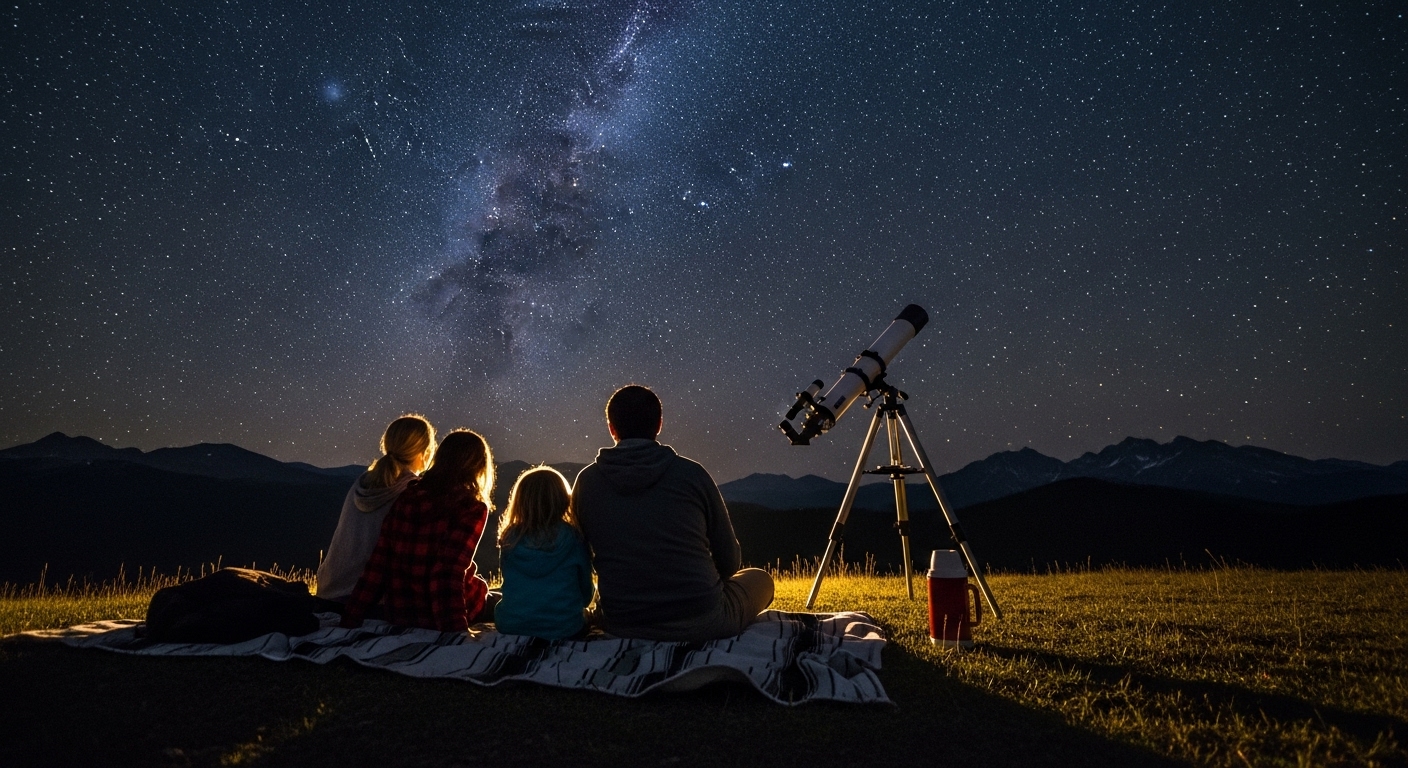
Bringing kids or friends? Choose safe, accessible sites with short walks and warm spaces. Look for ranger-led nights (many parks offer night‑sky junior ranger programs) or small-group tours with blankets, hot chocolate, and telescopes. Sites like Jasper National Park in Canada or Brecon Beacons in Wales are easy to reach and host childcare-friendly programs during meteor peaks.
If traveling solo or as an adult group, consider renting a dedicated astro‑van cabin or island lodge with onboard telescope setup. Sharing a sky-viewing lounge with other adults offers mindful community and spark-filled conversation.
9. Real Stories: Magical Sky Encounters
Max’s Big Bend Surprise: Max wandered outside his cabin to photograph the Milky Way—and stayed until a meteor crossed the frame. The next morning, he woke to desert silence and a photo showing the Milky Way’s core glowing above the canyon walls.
Family Perseids in Patagonia: A family took their two children to Torres del Paine in August for Perseids. They joined a ranger group, built outdoor tents, and ended up lying on an inflatable mattress, counting meteors until early morning, no screens, just laughter and starlight.
Planning stargazing events and meteor showers into your travel is a different kind of holiday—it’s quiet, cosmic, and surprisingly human. With attention to timing, dark‑sky zones, gear, comfort, and balance, you can build a trip that’s a bridge between Earth and cosmos.
So tell us: which shower do you dream of touring? Perseids? Geminids? Or maybe joining an eclipse chase? Share your sky goals—let’s inspire each other. Don’t forget to follow us on social platforms for more sky‑centric travel guides and cosmic inspiration.
Catch up on the top stories and travel deals by subscribing to our newsletter!