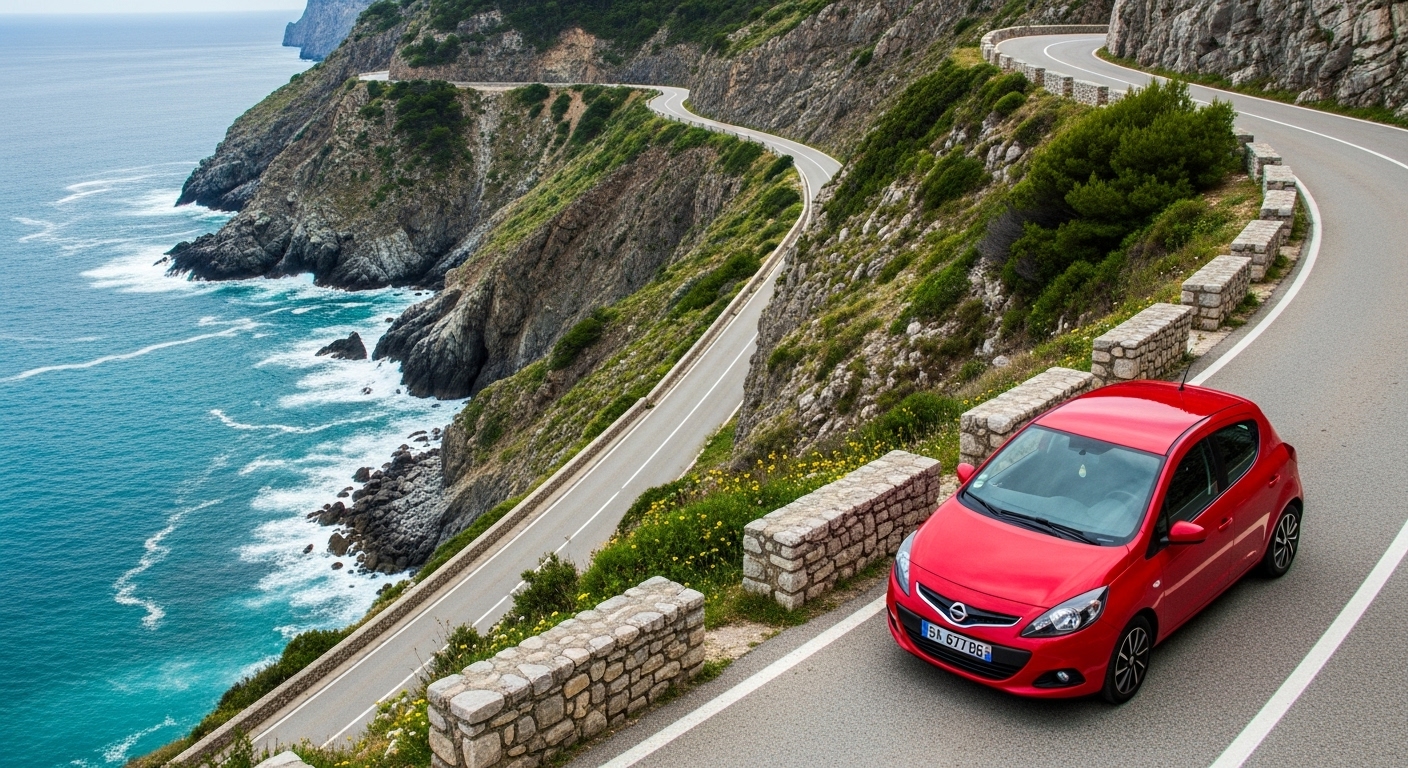
Thinking of exploring a new country behind the wheel? Renting a car abroad can be one of the most liberating ways to travel. You’re no longer tied to public transport schedules or guided tours. Instead, you set the pace, discover lesser-known roads, and enjoy spontaneous detours. But before you jump into that rental car, there are laws and customs that may catch you off guard if you’re not prepared.
Road Side Surprises: Left or Right?
Not every country drives on the right side. The UK, Australia, India, Japan, and a handful of others expect drivers to stay on the left. This switch can feel disorienting, especially when navigating roundabouts or merging into traffic. Renting an automatic transmission vehicle can ease the adjustment if you’re unfamiliar with manual cars.
To avoid confusion, take a few minutes to observe traffic flow before pulling out of the lot. A slow start is better than risking your safety or someone else’s.
Insurance Isn’t Always Optional
Don’t assume your credit card insurance covers everything abroad. In many places like Mexico or Costa Rica, you must purchase local liability insurance, even if your card offers some protection. Some European countries bundle basic coverage into the rental price, but you might need to add theft or personal coverage separately.
Before signing, ask the agent what’s included and whether any insurance is mandatory. Having clarity here can save you hundreds—and help in case of an accident.
Toll Roads Work Differently
Crossing countries means facing different toll systems. In Portugal, you’ll breeze through electronic-only tollways that scan your license plate. Austria, on the other hand, requires a prepaid vignette sticker on your windshield. Without one, you’re liable for fines.
Always ask the rental agency how tolls are handled and whether your car is already equipped. If not, buy what’s needed before hitting the road.
Zero Tolerance on Alcohol
Many countries have strict or even zero-tolerance alcohol laws. Japan, the Czech Republic, and Hungary prohibit any blood alcohol content for drivers. Even a single drink can result in hefty fines—or worse, jail time.
If you plan to enjoy wine in France or beer in Germany, make alternate transportation plans for the evening. It’s not worth the risk.
Watch Out for Local Signage
Not all road signs use words. Symbols dominate in countries across Europe and Asia. Red triangles may signal warnings, while blue circles could indicate mandatory actions. Speed limits may change depending on road type or weather.
Before traveling, take a few minutes to review common local road signs. It’s a small task that can make a huge difference.
Get Your IDP (International Driving Permit)
Some rental companies won’t let you drive off the lot without an IDP, even if you have a valid license from your home country. Countries like Thailand, Japan, and Italy often require it.

Apply for your IDP in your home country before traveling. It’s inexpensive, easy to get, and avoids any last-minute stress at the rental counter.
Border Crossing Isn’t Always Simple
Planning a road trip across multiple countries? Make sure your rental agreement allows border crossings. A car rented in Croatia, for instance, may not legally cross into Bosnia or Serbia without permission. Likewise, cars from Canada may have restrictions when entering the U.S.
Double-check the terms and ask for written approval to cross borders. This is especially important in regions with complex relationships or customs rules.
Unusual Local Rules
Driving in a foreign country often means adapting to surprising customs. In Iceland, driving off marked roads is strictly forbidden to protect the environment. In Singapore, strict littering laws include chewing gum—so toss it out of your car window, and you could face a major fine.
In Italy, you might unknowingly enter a ZTL (limited traffic zone), common in historic cities. These areas are off-limits to tourists unless you have a permit. The catch? There’s no physical barrier—just a camera. The fine arrives weeks later.
Refueling Rules Vary Too
Fuel policies differ widely. Some companies provide a full tank and expect the same upon return. Others charge to refill, often at inflated rates. Record the fuel level and type before driving off.
And don’t assume all cars take the same fuel. Accidentally filling up a diesel engine with gasoline could wreck your trip and your wallet.
What Happens in an Emergency?
Have a plan if something goes wrong. Know the emergency numbers in the country, and save your rental company’s contact details in your phone. Many agencies offer roadside assistance—confirm whether it’s included or costs extra.
If you’re in an accident, take photos, stay calm, and don’t admit fault until the police arrive. Procedures differ by country, so asking for instructions during pickup is smart.
Driving abroad is a bold and rewarding way to explore new places. It grants freedom and flexibility no other mode of travel can match. But it also comes with responsibility. By understanding the nuances of renting a car abroad, you avoid costly surprises and make the most of every moment on the road.
Have you rented a car while traveling internationally? Share your stories in the comments—we’d love to hear where the road took you (or nearly didn’t). For more travel hacks, local insights, and inspiring content, follow WentWorld on social media and join our global community of explorers!
Catch up on the top stories and travel deals by subscribing to our newsletter!