Ever found yourself in an awkward moment while traveling, only to realize you accidentally offended someone without knowing it? These experiences are classic examples of cultural travel misunderstandings. From greetings to dress codes, every country comes with its own set of expectations. If you’re unaware of them, even innocent behavior can create tension or discomfort.
However, these moments don’t need to ruin your trip. In fact, they can become powerful learning experiences. By exploring the most frequent cultural travel misunderstandings, we can prepare ourselves for more respectful and enriching adventures.
1. Greetings & Personal Space
What’s polite in one place might be shocking in another. For example, cheek kisses are common in France, while bowing is customary in Japan. Meanwhile, many people in North America rely on firm handshakes. These variations can cause confusion for first-time visitors.
To prevent misunderstandings, observe how locals greet each other. If you’re unsure, a smile and nod are universally friendly and safe.
2. Dining Etiquette and Table Manners
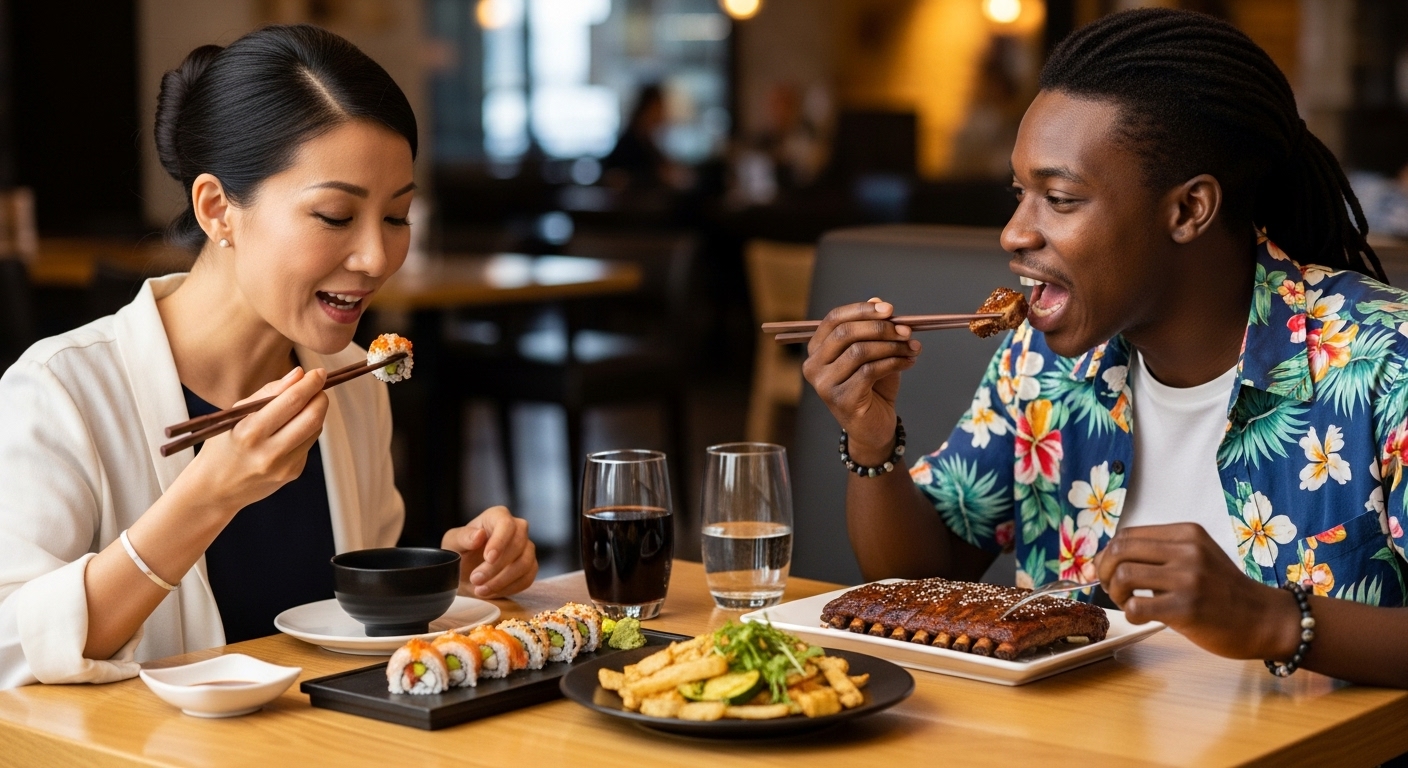
Mealtime traditions often reflect deep cultural roots. In India, eating with your right hand is standard, while in Japan, slurping noodles is considered respectful. In contrast, both actions might seem unusual or even rude to someone from a Western background.
Because dining customs differ so much, take a moment to watch what others do. When in doubt, asking politely can save you from many cultural travel misunderstandings.
3. Dress Codes & Public Decorum
How you dress can send a strong message. In conservative cultures, baring shoulders or knees can be seen as disrespectful. While beachwear is fine on the sand, it’s often frowned upon in town centers or religious spaces.
Therefore, it’s wise to carry a scarf or shawl when visiting sacred sites. It’s a small step that helps prevent cultural travel misunderstandings and shows genuine respect for local traditions.
4. Gift Giving & Receiving
Giving a gift might seem simple, but it’s full of unspoken rules in many places. In Japan, the presentation matters as much as the gift itself. In China, offering clocks or umbrellas can carry unintended negative meanings. These nuances often surprise visitors.
Whenever possible, research local customs around gifts. Even wrapping colors can trigger cultural travel misunderstandings!
5. Nonverbal Signals & Gestures
Gestures can be powerful—and dangerous if misused. The “thumbs up” may be a compliment in the U.S. but is offensive in parts of the Middle East. Similarly, pointing a finger can be disrespectful in several Asian countries.
To stay safe, use open-handed gestures and keep expressions neutral. Nonverbal cultural travel misunderstandings are easy to make but also easy to avoid with a bit of awareness.
6. Pace of Life & Time Perception
In Germany, being on time is crucial. In contrast, in Spain or the Caribbean, being “fashionably late” is often normal. Tourists who rush or seem impatient may come off as rude in cultures that value slower rhythms.
So, take a breath. Adapting to the local pace not only reduces stress—it prevents cultural travel misunderstandings that arise from clashing expectations around time.
7. Money, Bargaining & Transactions
Bargaining is expected in Moroccan souks but not at French bakeries. What feels like savvy shopping in one culture can feel insulting in another. These transactional customs are often where tourists stumble into cultural travel misunderstandings without realizing it.
When in doubt, observe first. If locals are bargaining, it’s likely you can too. Just keep it polite and respectful.
8. Respecting Sacred Spaces & Rituals
Many travelers unknowingly offend by treating religious sites like tourist attractions. Speaking loudly, ignoring dress codes, or taking inappropriate photos can deeply offend locals. It’s crucial to understand what’s sacred and act accordingly.
For example, always remove shoes if required, walk quietly, and avoid interrupting rituals. These simple steps can prevent major cultural travel misunderstandings.

9. Handling Misunderstandings Gracefully
Even with the best intentions, slip-ups happen. What matters most is how you respond. A genuine apology, a respectful attitude, and a willingness to learn will often turn a bad moment into a connection.
Don’t be afraid to laugh at yourself or admit when you’re wrong. The humility that comes from handling cultural travel misunderstandings gracefully is often more impactful than perfection.
10. Learn & Reflect
Every travel experience teaches you something. Reflecting on your encounters—both good and bad—helps you grow as a global citizen. Cultural travel misunderstandings are learning opportunities in disguise.
By approaching each situation with respect and curiosity, you’ll not only avoid conflict but also create more meaningful experiences.
Have you ever had a cultural misunderstanding while traveling? What did you learn from it? Share your stories in the comments—your experience might help another traveler! Enjoyed this article? Make sure to follow WentWorld on all our social media platforms for more real traveler stories, tips, and global adventures!
Catch up on the top stories and travel deals by subscribing to our newsletter!