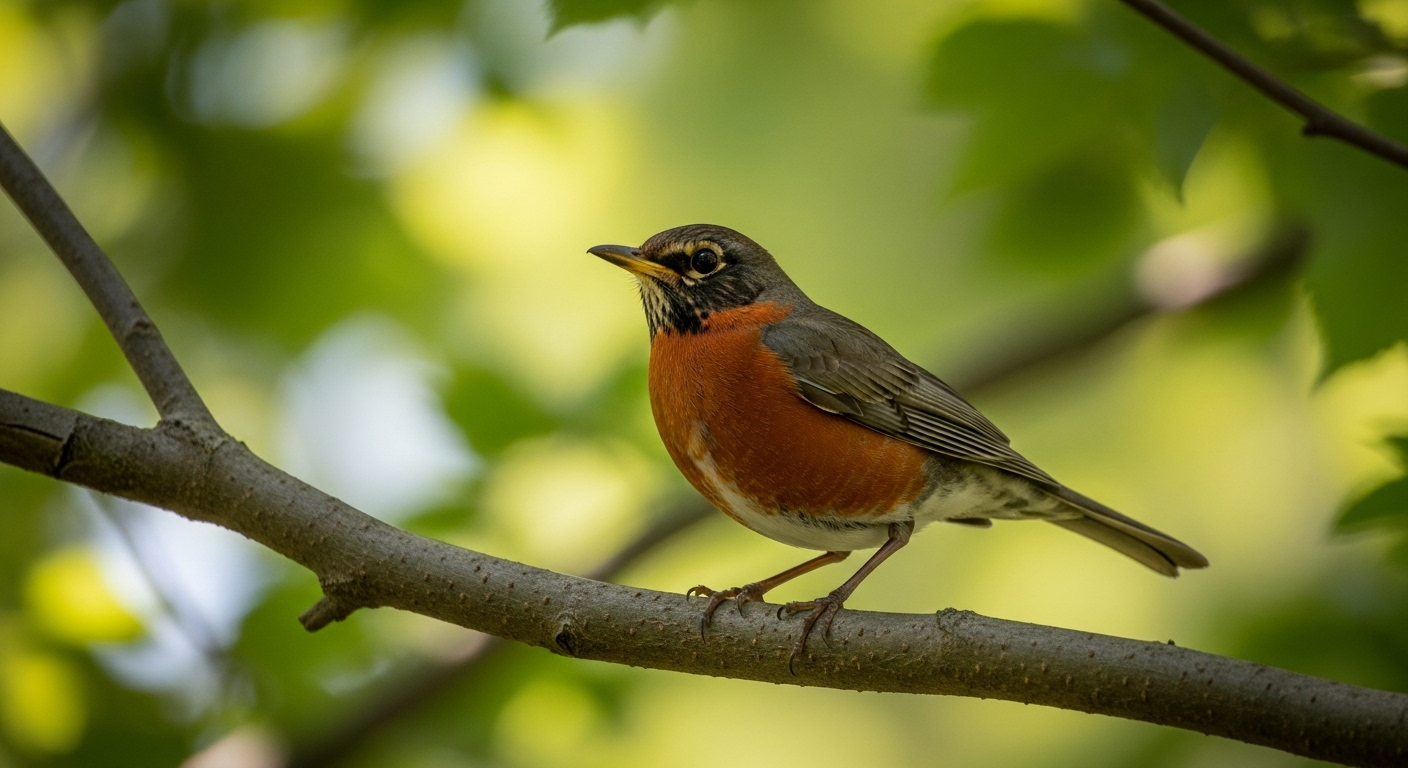
There’s something magical about spotting a herd of elephants in the wild, watching monkeys swing through jungle canopies, or catching a glimpse of a rare bird you’ve only ever seen in documentaries. Encounters with wildlife can be among the most thrilling parts of travel—but they also come with great responsibility. If we don’t tread carefully, our curiosity can turn into harm for the animals and their fragile ecosystems. That’s why learning how to respect local wildlife while traveling is more than just a travel tip—it’s a necessity.
Imagine this: you’re hiking through a lush forest abroad, camera in hand. Suddenly, you see a family of animals nearby. Do you approach them? Offer food? Try to pet them? Or do you pause and consider the consequences of your actions?
Why It Matters More Than You Think
Tourism is booming, and with that comes an increasing number of humans stepping into the wild. While this can bring awareness and funds to conservation, it can also cause stress, disrupt natural behavior, and lead to unintended consequences. Feeding animals, using flash photography, or simply getting too close might not seem like a big deal—but to wildlife, it can be life-threatening.
Think about the last time you saw a wild animal during a trip. Did you wonder how your presence affected it? Did it feel safe or threatened? These are questions responsible travelers should always ask themselves.
Look But Don’t Touch: Observe From a Distance
One golden rule for respectful wildlife interaction: keep your distance. No matter how harmless an animal looks or how accustomed it may seem to humans, getting close is risky for both parties. Animals might feel threatened, become aggressive, or learn to rely on humans—ultimately harming their survival.
Use binoculars or a zoom lens if you want a closer look. Observing animals in their natural behavior from afar is not only safer but often more rewarding. Let them be wild. That’s what makes them special.
Say No to Selfies With Wildlife
Yes, that photo with a baby tiger might rack up likes—but it could also promote unethical practices. In many destinations, wild animals are captured, sedated, or mistreated just for tourist photos. Supporting such attractions contributes to animal suffering.
Before snapping that picture, ask yourself: is this animal free to move? Is it behaving naturally? Are handlers using force or chains? If something feels off, it probably is.
Don’t Feed the Animals—Even If It Seems Harmless
Feeding wildlife might feel like a kind gesture, but it often disrupts their natural foraging habits. Animals that start relying on tourists for food can become aggressive, lose their fear of humans, and even fall ill from inappropriate diets. In some cases, feeding can lead to animals becoming nuisances or being euthanized by authorities.
Let nature take care of its own. Admire, don’t interfere.

Choose Ethical Wildlife Experiences
Not all animal attractions are created equal. Avoid places that offer elephant rides, captive marine shows, or animal petting zoos. Instead, look for ethical wildlife sanctuaries, conservation centers, or safaris that prioritize animal well-being.
Reputable organizations often provide detailed information about their practices and how your visit supports conservation. Don’t hesitate to ask questions. Your money is your voice—spend it where it helps, not harms.
Stick to Trails and Respect Habitats
Venturing off-trail might seem like an adventure, but it can lead to trampling of fragile ecosystems or disturbing nesting sites. Stick to marked paths, avoid stepping on vegetation, and never touch or take natural objects like feathers, shells, or stones. These elements are part of the ecosystem, not souvenirs.
Keep It Quiet, Keep It Clean
Wild animals rely on sounds for communication and survival. Loud noises can scare them off or cause unnecessary stress. Keep your voice down, avoid playing music, and turn off notification sounds when hiking or on safari.
Also, never leave trash behind. Even biodegradable waste like banana peels or apple cores can alter animal behavior or introduce non-native species.
Do Your Homework
Different places have different rules and wildlife. Before your trip, research what species live there, what to do if you encounter them, and what behaviors to avoid. Some countries have strict laws about wildlife interaction—ignorance isn’t an excuse.
Knowledge empowers you to travel more responsibly. Bonus? It makes your trip way more interesting!
Traveling With a Conscience
Respecting wildlife while traveling isn’t just about rules—it’s about empathy. These animals share the planet with us. It’s our job to ensure our travels don’t come at the expense of their safety and well-being.
And here’s the thing: when you make the effort to travel responsibly, you’re not just protecting animals. You’re creating better memories, having deeper experiences, and contributing to a more sustainable world. That’s travel with purpose.
Have you ever had a wild encounter on your travels? Did it go well—or not so well? We’d love to hear about it! Drop your stories, thoughts, or questions in the comments. Your experience could inspire someone to travel more ethically. And if you found this blog helpful, don’t forget to follow us on our social media for more travel insights, tips, and inspiration from around the globe! Follow for more on how to respect local wildlife while traveling
Catch up on the top stories and travel deals by subscribing to our newsletter!