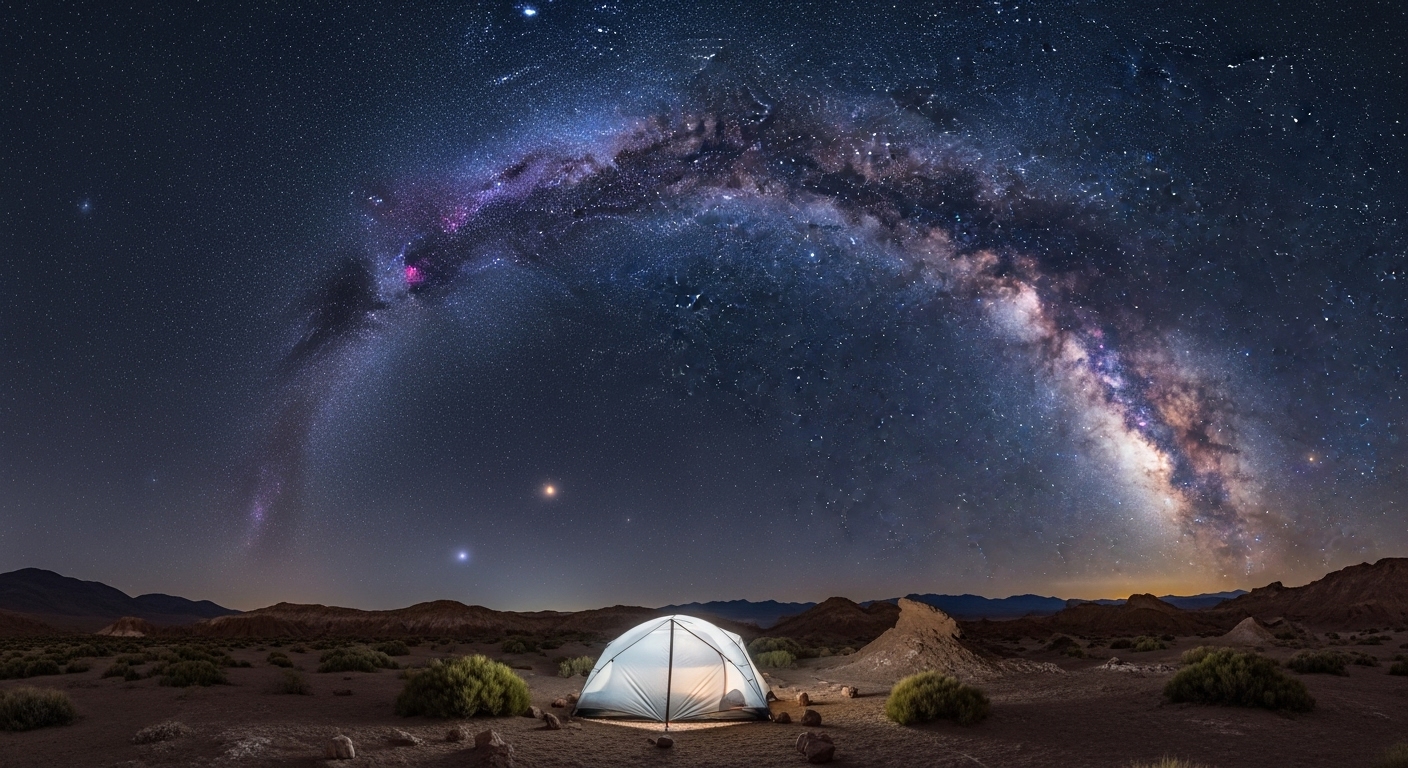
Have you ever dreamed of planning a vacation around stargazing—to catch a meteor shower under pristine skies or admire the Milky Way far from city lights? With thoughtful timing and the right destination, you can transform a regular trip into a cosmic adventure. Imagine witnessing meteor storms, lunar eclipses, or planetary alignments—all while unplugged from everyday distractions.
Why Choose a Vacation Around Stargazing?
First, it’s breathtaking. Beyond that, stargazing trips foster deeper connections with nature and science. Whether you’re tracking the Perseids, Eta Aquariids, or a total lunar eclipse, these experiences often spark curiosity and sustainability in travel.
Step 1: Pick Your Celestial Event
Start by choosing your celestial highlight. In 2025, some prime events include:
- Eta Aquariid Meteor Shower – Peaks May 5–6, up to 50 meteors/hour, ideal in the early morning sky.
- Southern Delta Aquariids & Alpha Capricornids – Peak July 29–30, about 25 meteors/hour.
- Perseid Meteor Shower – August 12–13, around 100 meteors/hour, though moonlight may reduce visibility.
- Orionids – October 22–23, up to 20 meteors/hour with favorable moon conditions.
- Geminids – December 13–14, potentially 140 meteors/hour under dark skies.
- Draconids – October 8, variable intensity, occasionally dramatic.
- Total Lunar Eclipse – September 8, visible across Australia, Europe, Asia, Africa, and New Zealand.
Step 2: Choose Destinations with Dark Skies
To fully enjoy your vacation around stargazing, opt for destinations with minimal light pollution. Top picks include:
- Atacama Desert, Chile – One of the clearest night skies on Earth, ideal for stargazing tours.
- Aoraki Mackenzie Reserve, New Zealand – A southern hemisphere dark-sky reserve perfect for viewing the Milky Way.
- Mauna Kea, Hawaii – High-altitude location with observatories above 13,000 feet.
- NamibRand Reserve, Namibia – Africa’s first Dark Sky Reserve, offering guided sky tours.
- Sahara Desert, Morocco – Camp under the stars with tents and local sky lore.
- Cherry Springs State Park, Pennsylvania – One of the darkest parks east of the Mississippi River.
- Big Bend National Park, Texas – Remote, rugged, and ideal for Milky Way views.
- Oregon Star Party, USA – Held each August at high elevation, perfect for group observing.
Step 3: Align With Moon Phases and Date
Moonlight can wash out meteor showers. Aim for dates near the new moon. For instance, the Perseids in mid-August often come with a bright moon, but peak days just before or after new moon offer the best views. Always check lunar calendars when planning.
Step 4: Book Accommodations and Tours Wisely
Stay in lodgings designed for stargazing—remote lodges, desert camps, or dark-sky parks. These places often offer guided viewing, telescope access, and night tours. For example, Morocco’s desert camps and New Zealand’s astro-resorts focus on minimizing light pollution for guests.
Step 5: Pack Essentials for Your Stargazing Trip
Essentials for a successful astro trip:
- Warm layers—nights get cold even in deserts
- Reclining chair or blanket—lie back in comfort
- Red-light flashlight—to preserve night vision
- Stargazing app or star chart—for navigation
- Binoculars or small telescope—optional, but useful
Allow your eyes to adjust (about 20–30 minutes) in the dark for better visibility.
Step 6: Join Star Parties and Astronomy Events
Many dark-sky destinations host star parties, astronomy camps, or sky festivals. For example, the Oregon Star Party and Cherry Springs events bring together enthusiasts, educators, and telescopes—perfect for learning and community sharing.

Step 7: Mix Astronomy With Local Exploration
While nights are for stargazing, days offer culture and outdoor adventure. Walk dunes in Namibia, visit observatories in Chile and Hawaii, or learn star lore from local indigenous guides. Combine cosmic awe with cultural richness.
Have you ever planned a cosmic getaway—chasing meteor showers or eclipses? Tell us about your trip. Where did you go, what did you see, and how did it feel? Your story might ignite someone else’s dream!
If this post sparked your wanderlust, follow us on social media for more astro-travel guides, night sky tips, and star-filled destination ideas!
Catch up on the top stories and travel deals by subscribing to our newsletter!