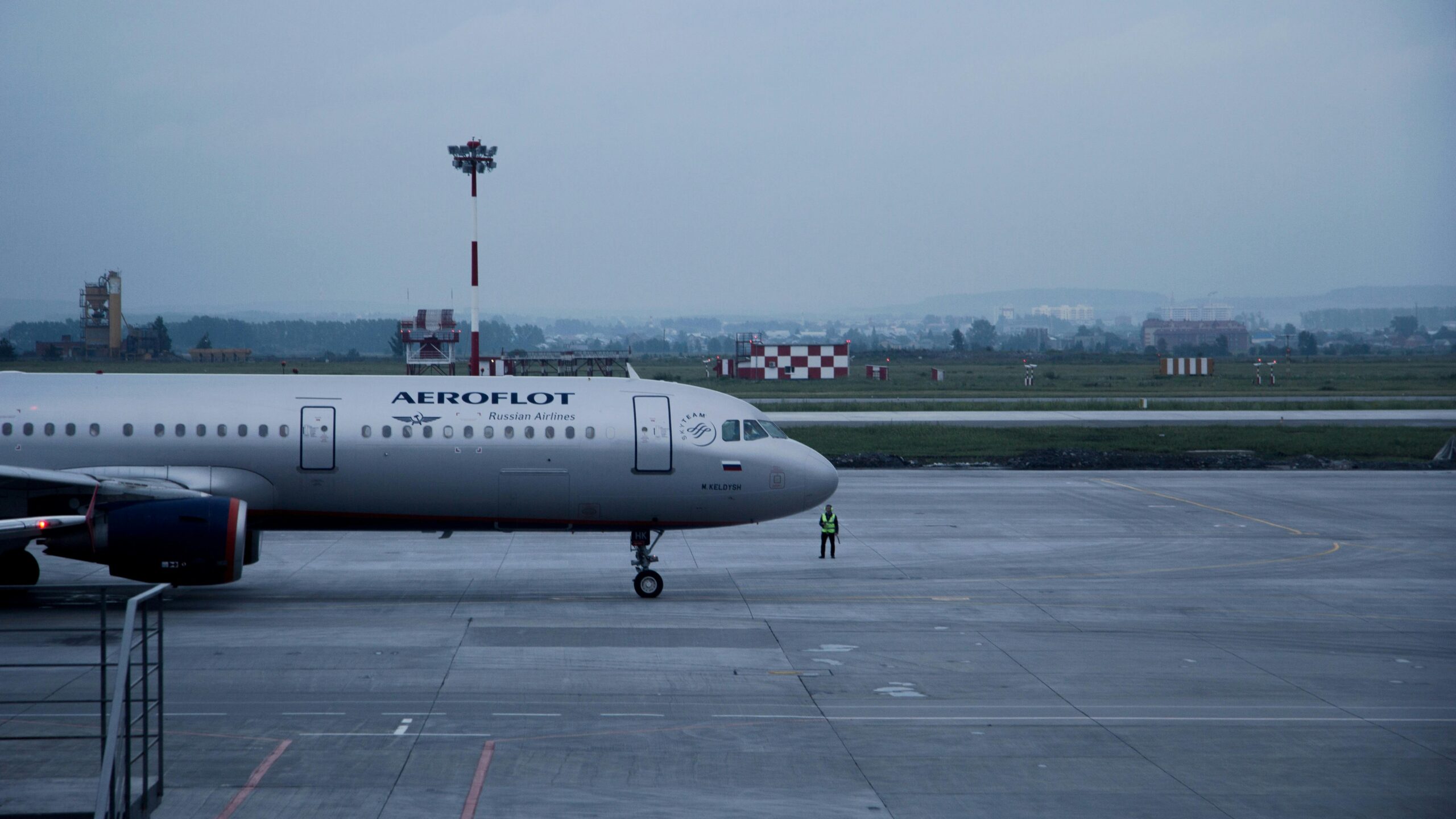
Hackers hit Aeroflot with a cyberattack that halted flights and disrupted airport operations in Moscow. As a result, the airline’s systems crashed and left thousands of travelers stranded. Therefore, Aeroflot acted fast to restore flight services and regain system control.
Meanwhile, two hacking groups broke into Aeroflot’s network and exposed its weak cybersecurity. They highlighted flaws like outdated software and careless password handling. In addition, the attackers accessed executive-level data and interfered with internal systems.
Although Aeroflot resumed many flights, delays still continued through the next morning. Consequently, the airline worked nonstop to stabilize operations and regain passenger trust. The breach forced Aeroflot to rethink its IT framework and take corrective action quickly.
Because of the scale of the attack, government officials saw it as a cybersecurity alarm. Hence, experts pushed for stronger national digital defenses. As part of this response, Aeroflot started replacing foreign tools with Russian-made systems. This shift, however, will require time, investment, and major restructuring.
Moreover, security analysts believe the hackers studied Aeroflot’s systems for months. Thus, they knew exactly where to strike. Even now, Aeroflot faces the task of restoring public confidence while preventing future breaches.
In the global context, this attack highlights how aviation must now prioritize cybersecurity. Airlines cannot afford weak systems, especially with growing threats worldwide. Eventually, Aeroflot must prove its ability to defend against future digital assaults.
Finally, passengers should watch for updates as the airline rebuilds its systems. Aeroflot plans to stay ahead of attackers by securing its network and improving all digital protocols.
Related stories:
Catch up on the top stories and travel deals by subscribing to our newsletter!