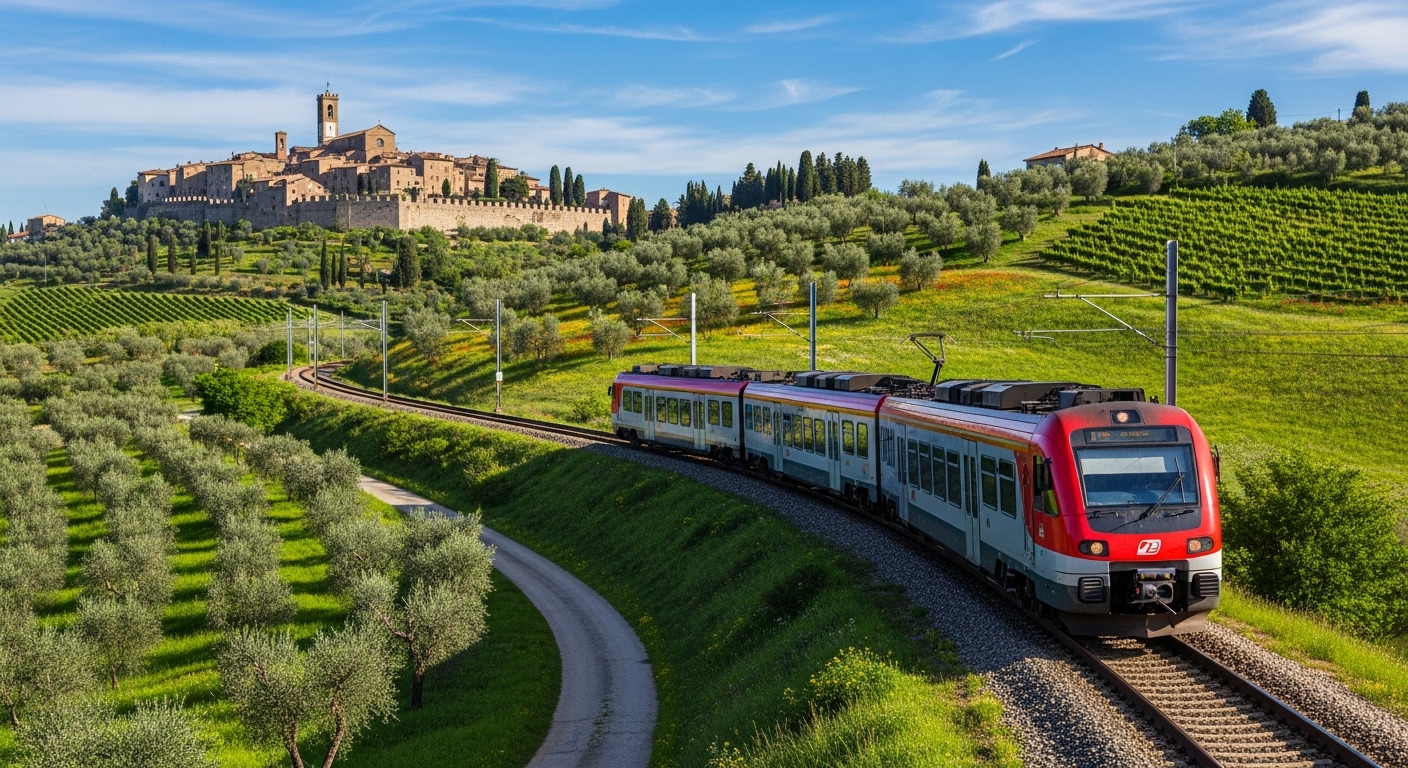
Have you ever dreamed of exploring Europe without breaking the bank, rushing through airports, or sticking only to the touristy spots? Imagine sitting by the window as charming countryside, rolling hills, and picturesque small towns pass you by. That’s exactly what happens when you choose to travel across Europe using only regional trains. Sounds intriguing, right? But here’s the real question—why don’t more people do it?
Most travelers immediately think of planes or high-speed trains like the Eurostar or TGV. While these are efficient, they come with a price tag that isn’t always budget-friendly. Regional trains, on the other hand, are often overlooked gems—slower, yes, but packed with hidden opportunities, cultural experiences, and authentic discoveries you can’t find otherwise. In fact, many seasoned travelers argue that choosing regional routes over flashy express lines completely changes the way you experience the continent.
So, if you’ve ever wondered what it would feel like to hop from one European country to another using only regional connections, you’re in the right place. Grab a coffee, sit back, and let’s dive deep into the adventure of exploring Europe by regional trains. Spoiler alert: you might just find this the best way to see Europe in all its glory.
Why Regional Trains Can Be the Best Way to Explore Europe
Let’s start with a simple thought: when was the last time you truly enjoyed the journey itself, not just the destination? Air travel often reduces the experience to long check-in lines, airport stress, and cramped seats. High-speed trains, while comfortable, sometimes blur the details of what lies in between. But regional trains? They force you to slow down. And in that slowness, you notice things you’d otherwise miss.
Take Italy, for instance. While everyone rushes to Florence or Rome on fast trains, the regional routes connect you to tiny Tuscan towns like Arezzo or Lucca—each filled with cobbled streets, family-run cafés, and the kind of atmosphere where time feels like it’s standing still. France’s regional routes do the same. Instead of dashing from Paris to Marseille, imagine stopping at Avignon, a medieval town with more history than some entire countries.
Isn’t this what traveling is about—discovering places beyond the obvious?
Cost Benefits: Budget-Friendly But Rich in Value
One of the biggest reasons why more travelers are considering how to travel across Europe using only regional trains is cost. Regional tickets are often half, or even a third, the price of high-speed options. You might spend a few more hours on the journey, but your wallet stays happier, which means more budget for food, activities, or even extending your trip.
Here’s a little tip: many European countries offer rail passes specifically for regional routes. Germany’s “Deutschland Ticket,” for example, allows unlimited regional travel for just a small monthly fee. Imagine crossing Bavaria, Saxony, and Baden-Württemberg without worrying about ticket costs each time. That’s the kind of deal that makes you wonder—why aren’t we all traveling this way?

Crossing Borders with Ease
Here’s something you might be curious about: is it really possible to cross multiple countries using only regional trains? The short answer—yes, absolutely! Europe’s railway network is impressively connected. You can start in Spain, cross into France, then hop into Switzerland, Germany, and eventually reach Eastern Europe, all on slower, regional lines.
Sure, it requires a bit more planning, but isn’t that part of the fun? Each border crossing comes with small surprises—different announcements on the train, changes in architecture as towns roll by, and sometimes even a quick passport check. These subtle differences make you feel like you’re truly traveling, not just teleporting from one city to another.
The Hidden Charm of Small Town Stops
Let’s play a quick game. Think of Europe, and the first cities that come to mind are probably Paris, Rome, Berlin, or Amsterdam. But what about towns like Český Krumlov in the Czech Republic or Ghent in Belgium? These aren’t just “small” stops—they’re places filled with history, food traditions, and warm-hearted locals who don’t see tourists every day.
Regional trains give you the chance to discover these gems. In fact, many of these towns aren’t even reachable by high-speed lines. You’re forced—in the best possible way—to step off at smaller stations and explore places you didn’t even know existed. Isn’t that the essence of an adventure?
Challenges You Should Be Ready For
Now, let’s not sugarcoat it—choosing to travel across Europe using only regional trains comes with its share of challenges. Trains can be delayed. Connections might require quick sprints between platforms. Sometimes, announcements aren’t in English, which adds to the confusion. But here’s the catch: these very challenges often turn into stories you’ll laugh about later.
Remember, no great travel story ever starts with “everything went perfectly.” Instead, they begin with “we almost missed our train in Vienna, but then we met a local who guided us through.” And isn’t that exactly what makes travel memorable?

Tips for Planning Your Regional Train Adventure
So, if you’re excited by the idea of traveling Europe slowly, here are some quick, practical tips to keep in mind:
- Download train apps like DB Navigator (Germany), SNCF Connect (France), or Trenitalia (Italy). They’re lifesavers for schedules.
- Always keep snacks and water—regional trains may not have dining cars.
- Travel light. Jumping on and off smaller trains is easier with just a backpack.
- Be flexible. Don’t plan down to the minute. Allow time for missed connections and spontaneous stops.
- Engage with locals. Small-town travelers are often curious about visitors and can share tips you won’t find in guidebooks.
Would you be open to leaving room in your itinerary for the unknown? Sometimes the unplanned detours end up being the highlight of your entire trip.
Why This Way of Traveling Might Change You
At its core, choosing how to travel across Europe using only regional trains isn’t just about saving money or avoiding airports. It’s about rediscovering what travel truly means. It’s about slowing down, paying attention, and realizing that the small towns, the in-between journeys, and the unscripted moments are just as important—if not more—than the main destinations.
Next time you plan a European adventure, ask yourself: do you want to tick off cities from a checklist, or do you want to experience Europe like a living, breathing story unfolding with every station you pass? That’s the beauty of regional trains—they give you that chance.
Have you ever tried traveling across Europe using only regional trains? What was your experience like? Or if you haven’t yet, would you give it a try after reading this? Share your thoughts in the comments—we love hearing your travel stories and tips! And don’t forget to follow us on our social media platforms for more travel inspiration, guides, and insider secrets. Let’s build this community of curious travelers together!
Catch up on the top stories and travel deals by subscribing to our newsletter!