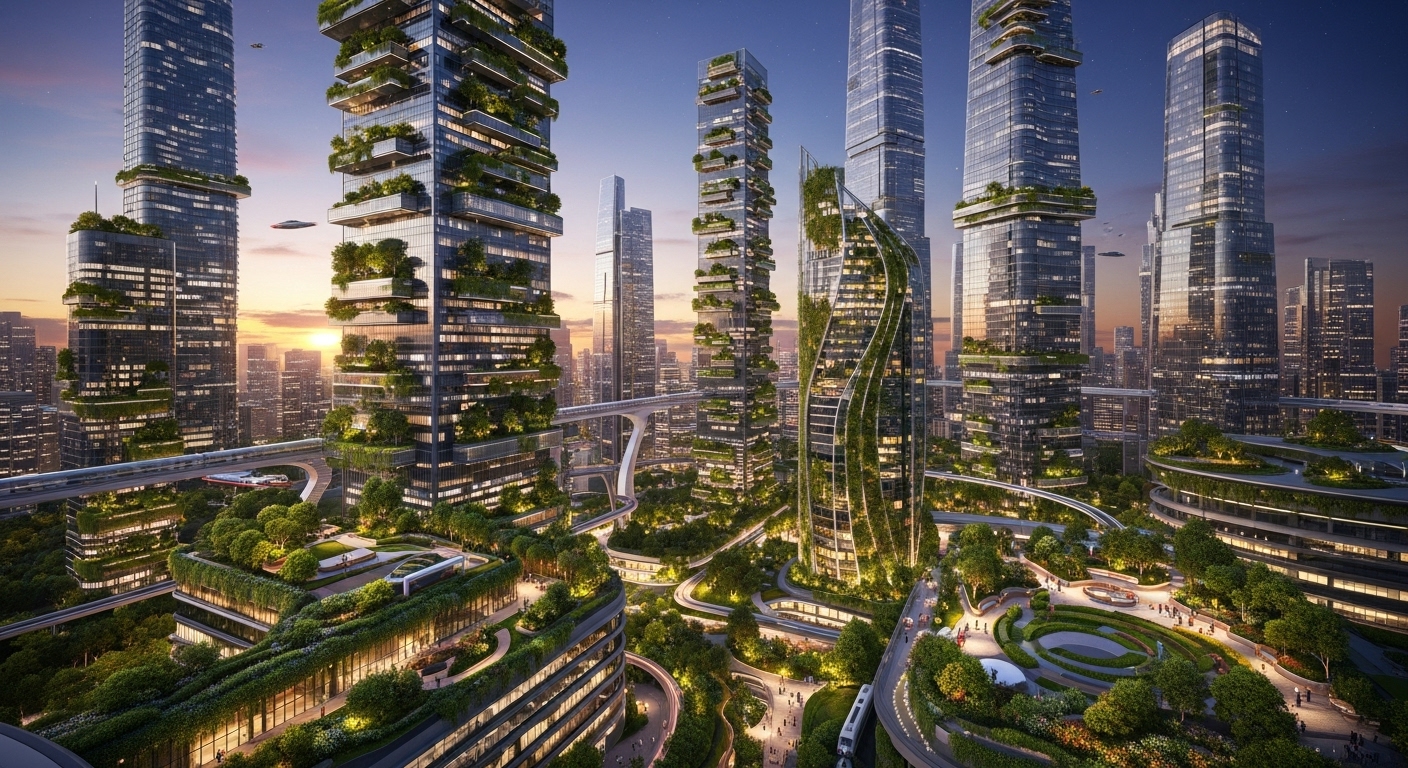
Have you ever wondered how some cities manage to balance skyscrapers, busy streets, and millions of people while still feeling fresh, green, and sustainable? In today’s world, where climate change and pollution are urgent concerns, the idea of cities with unique approaches to urban green living has become more than just a buzzword — it’s a necessity. And here’s the interesting part: these cities aren’t just planting a few trees and calling it a day. They’re rethinking how urban life should work, making it healthier, smarter, and more connected to nature. Sounds inspiring, right? Let’s take a deep dive together.
Before we jump into some fascinating examples, let me ask you this: if you could redesign your city, what would you add first? Rooftop gardens, solar-powered buses, car-free streets, or maybe vertical forests? As you read through this blog, keep that question in mind and share your thoughts with us in the comments. You might be surprised at how your vision aligns with some of the world’s most creative cities!
Why Urban Green Living Matters More Than Ever
Living in concrete jungles often leaves us craving a breath of fresh air. But the truth is, this craving isn’t just emotional — it’s essential for our survival. Urban green living improves air quality, reduces city heat, and helps fight climate change. But there’s more: it also boosts mental health, encourages physical activity, and builds stronger communities. So, when we talk about cities with unique approaches to urban green living, we’re not just talking about environmental experiments — we’re talking about shaping the future of human well-being.
Think about your daily routine for a second: how often do you interact with nature? Maybe you pass by a park on your commute or have a small plant in your apartment. Now imagine living in a place where every street, building, and system is designed to bring you closer to nature while still enjoying the perks of modern life. That’s exactly what some cities are doing, and they’re doing it in some pretty extraordinary ways.
Singapore: The City in a Garden
Singapore isn’t just a city with parks; it’s a city inside a garden. Known worldwide for its breathtaking skyline covered in greenery, Singapore’s approach is a masterclass in combining technology with nature. Vertical gardens climb the sides of buildings, and the famous Supertree Grove has become an icon of sustainable design. These giant tree-like structures collect rainwater, generate solar power, and act as vertical habitats for plants. It’s not just about beauty; it’s about blending green living with urban life in a seamless way.
But here’s the kicker: Singapore’s government has been strict about keeping the “City in a Garden” vision alive. From enforcing green building codes to investing in sky gardens, they’ve made sustainability part of the city’s DNA. Have you ever seen a vertical forest in real life? Wouldn’t it be incredible if your city’s high-rises looked like living, breathing ecosystems instead of plain concrete?
Copenhagen: Biking Towards a Cleaner Tomorrow
When people think of Copenhagen, one word often comes to mind: bicycles. This city has earned its reputation as a global leader in sustainable transport. Nearly half of Copenhagen’s residents commute by bike every day, thanks to well-designed cycle lanes and a strong culture of cycling. But that’s not all. The city also invests heavily in wind energy, with offshore wind farms supplying a significant portion of its electricity.
What makes Copenhagen stand out among cities with unique approaches to urban green living is its commitment to becoming carbon-neutral by 2025. From green roofs to harbor baths where you can actually swim (yes, the water is that clean), the city shows us that sustainability can be practical, fun, and community-driven. Would you trade your car for a bike if your city had world-class cycling infrastructure? That’s the kind of question Copenhagen makes us think about.
Tokyo: Blending Tradition With Innovation
Tokyo might surprise you. Known for its neon lights and futuristic tech, it’s also quietly becoming a pioneer in green living. With limited space, Tokyo has turned to creative solutions like rooftop farms, micro-gardens, and energy-efficient smart buildings. At the same time, the city respects its traditional connection with nature through Shinto shrines and carefully maintained green spaces like Ueno Park.
What’s really fascinating is how Tokyo embraces small changes with big impacts. From community-driven composting programs to encouraging citizens to plant balcony gardens, the city shows us that you don’t need vast land to live sustainably — just a mindset shift. Could you see yourself growing food on your rooftop or balcony if your city supported it?

Medellín: From Concrete Jungle to Green Transformation
Once known for its struggles, Medellín, Colombia, has transformed into a symbol of urban resilience. The city introduced “green corridors” — networks of trees and plants across busy highways and streets. These corridors reduce temperatures, clean the air, and create pathways for biodiversity. Medellín also embraced cable cars as part of its public transport system, connecting underserved hillside communities with the city center in an eco-friendly way.
The story of Medellín reminds us that even cities facing tough challenges can reinvent themselves. If your city had the chance to start fresh, what green solutions would you want to see first? Parks in unexpected places, cleaner transit, or maybe community gardens in every neighborhood?
Other Inspiring Examples Around the Globe
Of course, the list doesn’t stop here. Cities like Stockholm, Vancouver, Curitiba, and Amsterdam are all experimenting with their own approaches. From car-free city centers to recycling programs so efficient they import trash from other countries, these cities prove there’s no single recipe for success. Each one is unique, reflecting its culture, geography, and priorities.
And here’s where it gets interesting for us as readers and citizens: which of these ideas could work where we live? Could your neighborhood support more cycling lanes like Copenhagen, or rooftop farms like Tokyo? Do you think your local government would invest in something as bold as Singapore’s vertical forests?
What We Can Learn From Cities With Unique Approaches to Urban Green Living
The biggest takeaway is that urban green living isn’t one-size-fits-all. Every city has its own challenges and opportunities. But the common thread is clear: creativity, community involvement, and long-term commitment. Whether it’s through policies, infrastructure, or grassroots efforts, the cities that succeed are the ones that think beyond short-term fixes and build for generations to come.
And this is where we, as individuals, come in. Green living doesn’t have to start with a billion-dollar government plan. It can start with us: biking instead of driving, planting a tree, or even supporting local eco-friendly businesses. Imagine the ripple effect if everyone in your city took one small step toward sustainability. Wouldn’t that make your city a little greener, healthier, and more enjoyable to live in?
The world is changing fast, and cities are at the heart of that change. By learning from cities with unique approaches to urban green living, we can imagine — and create — a future where urban life doesn’t come at the expense of the environment, but rather works in harmony with it. The question is: are we ready to rethink our own cities in bold, creative ways?
We’d love to hear your thoughts: which city’s approach inspired you the most? And if you could add one green solution to your own city, what would it be? Share your ideas in the comments below — let’s start a conversation that could spark real change.
And hey, don’t forget to follow us on our social media platforms for more exciting stories, inspiring insights, and discussions about building a greener, better world.
Catch up on the top stories and travel deals by subscribing to our newsletter!