We’ve all dreamed of that perfect getaway—the kind where you finally check off a bucket-list destination, soak in amazing experiences, and create memories that last a lifetime. But then reality hits: travel costs. Suddenly, the dream starts to feel like a financial burden. The good news? With smart planning, budgeting for a dream trip doesn’t have to be overwhelming. In fact, once you know where to splurge and where to save, you’ll discover you can enjoy both luxury and affordability in the same adventure.
Here’s the secret: budgeting isn’t about cutting corners on everything. It’s about striking the right balance. Spend on what truly matters to you and save on the things that don’t make a big difference to your overall experience. Let’s explore how you can plan the ultimate trip without emptying your bank account.
Why Budgeting Matters for a Dream Trip
Let’s start with the obvious: no one likes coming home from vacation to a bank account that’s crying for help. Proper budgeting ensures you enjoy the journey without post-trip financial stress. Think about it: what’s the point of that luxury hotel suite if you’re going to spend the rest of the year paying it off? Budgeting for a dream trip means planning with intention. It’s about freedom—knowing you’re in control of your money while still indulging in the experiences that matter most to you.
So let’s ask the big question: when you imagine your dream trip, what stands out more—the hotel you sleep in or the adventures you experience outside it?
Step One: Identify Your Priorities
Before you start crunching numbers, figure out what matters most to you on this trip. Is it food? Adventure activities? Luxury stays? Culture? Shopping? Everyone’s dream trip looks different. For some, it’s a Michelin-starred dining experience. For others, it’s hiking through breathtaking landscapes or exploring local culture. Knowing your priorities helps you allocate your budget wisely. This way, you can splurge guilt-free on the things that excite you while cutting back on the less-important stuff.
Take a moment to imagine your dream trip. What’s the one thing you’d absolutely regret skipping? That’s where your splurge budget should go.
Where to Splurge (and Why It’s Worth It)
Splurging doesn’t mean going overboard—it means strategically spending on experiences that create unforgettable memories. Here are some areas where splurging often pays off:
- Unique Experiences: Once-in-a-lifetime activities like hot-air balloon rides, scuba diving in crystal-clear waters, or guided cultural tours are worth every penny.
- Food Adventures: A special dinner at a renowned restaurant or an authentic local food tour can become the highlight of your trip.
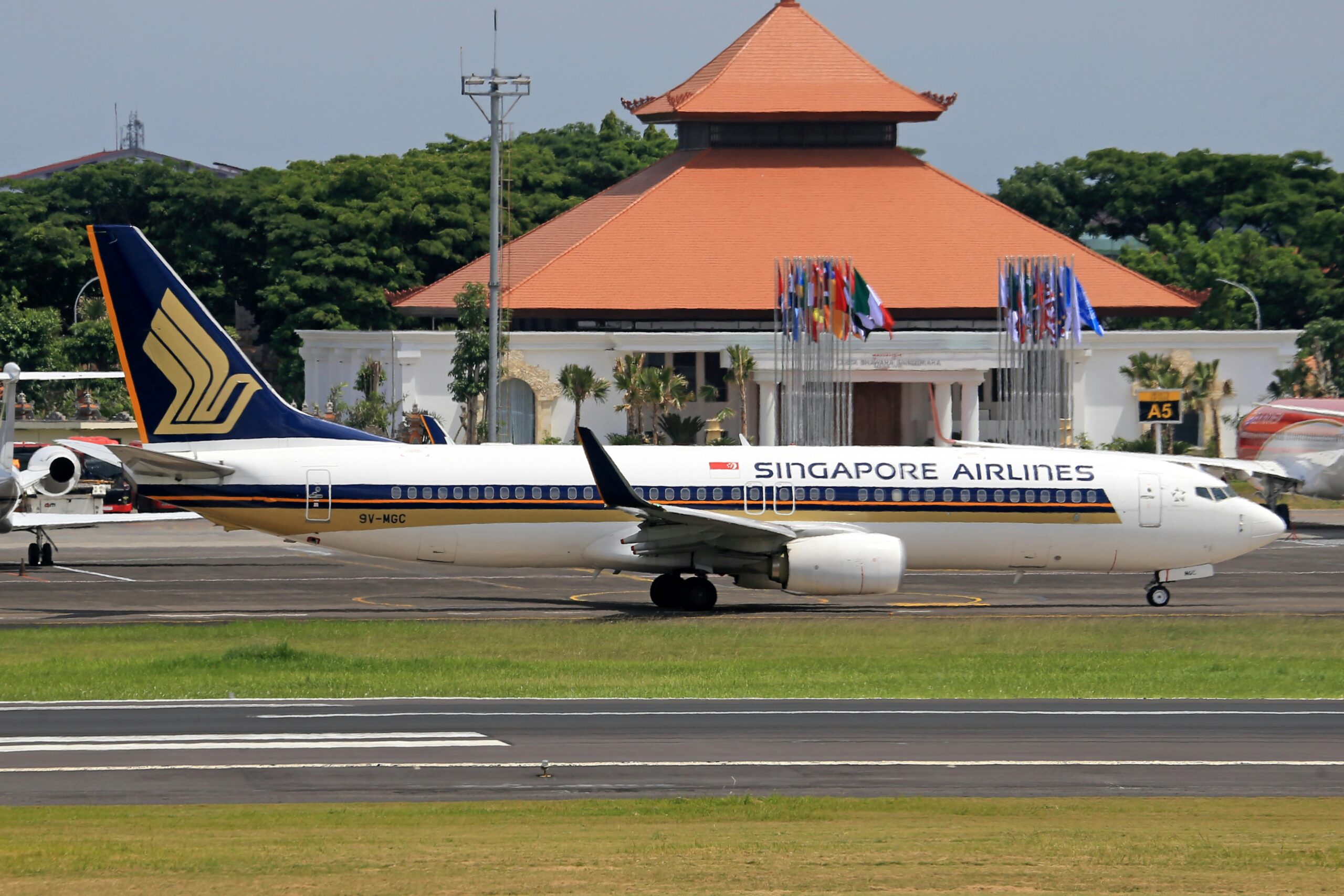
- Comfortable Flights (when necessary): Long-haul journeys can be exhausting. If you’re flying 12+ hours, consider investing in extra legroom or a premium seat. Your body will thank you.
- Convenience: Sometimes paying a little more for faster transport, skip-the-line tickets, or centrally located accommodations is worth it for the time and energy saved.
Question for you: If you had to splurge on just one thing during your dream trip, what would it be—comfort, food, or adventure?
Where to Save (Without Sacrificing Fun)
Now let’s talk about the areas where you can cut costs without feeling like you’re missing out. The trick is to save smart, not cheap. Here’s how:
- Accommodation: Unless your dream trip revolves around staying in luxury resorts, you can save a lot here. Boutique hotels, budget-friendly chains, or even Airbnbs can offer comfort without the hefty price tag.
- Transport Within the City: Skip taxis and rideshares when possible—public transportation is not only cheaper but often gives you a more authentic local experience.
- Souvenirs: Let’s be honest—how many souvenir mugs or T-shirts end up forgotten in the back of your closet? Instead, save by collecting photos or small, meaningful items like postcards.
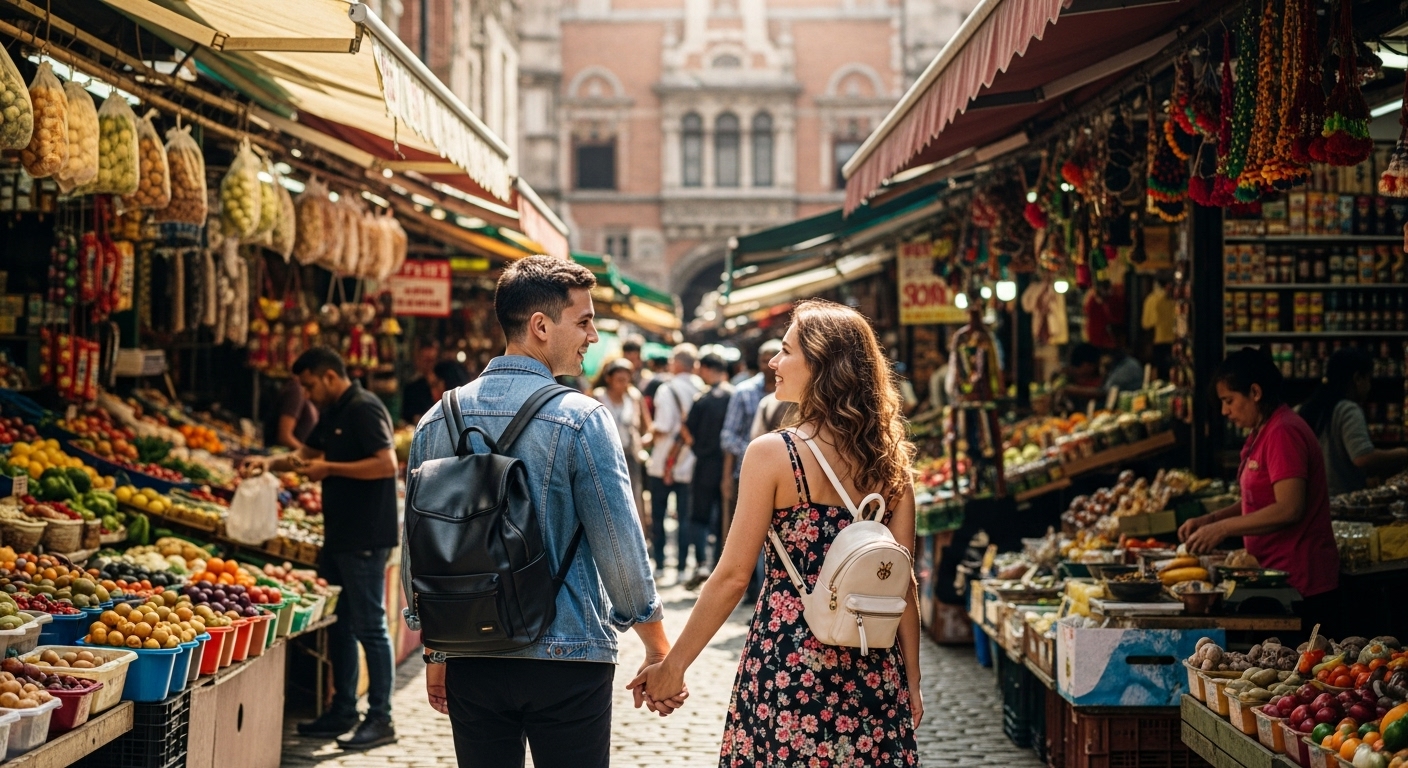
- Every Meal Doesn’t Have to Be Fancy: Street food or local diners often provide a more authentic experience than expensive restaurants.
Think about it—would you rather spend your budget on another generic souvenir or save that money for an unforgettable excursion?

Breaking Down the Budget: A Practical Framework
Okay, let’s get into the numbers. Here’s a simple framework many travelers use to plan:
- Flights and Transport: 30-40% of budget
- Accommodation: 20-30% of budget
- Food and Drinks: 15-20% of budget
- Activities and Experiences: 20-25% of budget
- Miscellaneous (souvenirs, tips, emergencies): 5-10%
This breakdown is flexible—it depends on your priorities. If you’re a foodie, maybe bump up the food budget. If adventure is your thing, allocate more toward activities. The beauty of budgeting for a dream trip is customizing it to what matters most to you.
The Hidden Costs Travelers Forget
Here’s where many people slip up: hidden costs. Things like travel insurance, baggage fees, visa applications, airport transfers, and even foreign transaction fees can sneak up on you. Build a little buffer into your budget for these. Nothing kills the mood like unexpected costs that eat into your fun money.
Tips for Making Your Money Go Further
- Travel Off-Season: Flights and accommodations are often half the price outside peak season.
- Use Points and Rewards: Frequent flyer miles or credit card points can cut costs significantly.
- Book Early (but Not Too Early): Flights are usually cheapest around 2-3 months before your trip.
- Mix Luxury with Budget: Stay budget for most nights, then splurge on one or two luxury nights.
Wouldn’t it be amazing to enjoy a five-star hotel experience for one night while keeping the rest of your trip affordable? That’s the magic of smart budgeting.
Real-Life Example: A 2-Week Europe Trip
Let’s say you’re planning two weeks across Europe. Here’s how you might apply splurge vs. save:
- Splurge: Take a high-speed train instead of the cheapest overnight bus—it saves time and gives you more energy for exploring.
- Save: Stay in mid-range hotels or hostels rather than five-star chains.
- Splurge: Book a once-in-a-lifetime gondola ride in Venice.
- Save: Eat fresh pastries from local bakeries instead of dining at expensive restaurants every meal.
By mixing both, you create a trip that feels rich and fulfilling without breaking the bank.
Budgeting for a dream trip isn’t about strict rules—it’s about creating balance. Spend on the things that bring you joy and memories, save on the things that don’t matter as much, and always leave a little cushion for the unexpected. Remember, a dream trip doesn’t have to mean draining your savings account. It just means planning smartly and making intentional choices.
So here’s my question for you: If you could only splurge on one aspect of your dream trip, what would it be—and what would you happily save on? Share your thoughts in the comments below. Let’s swap tips and inspire each other to make our dream trips a reality!
And before you go, make sure to follow us on our social media platforms for more practical travel insights, money-saving hacks, and inspiration for your next big adventure. WentWorld is all about making your travels smarter, lighter, and unforgettable.
Catch up on the top stories and travel deals by subscribing to our newsletter!