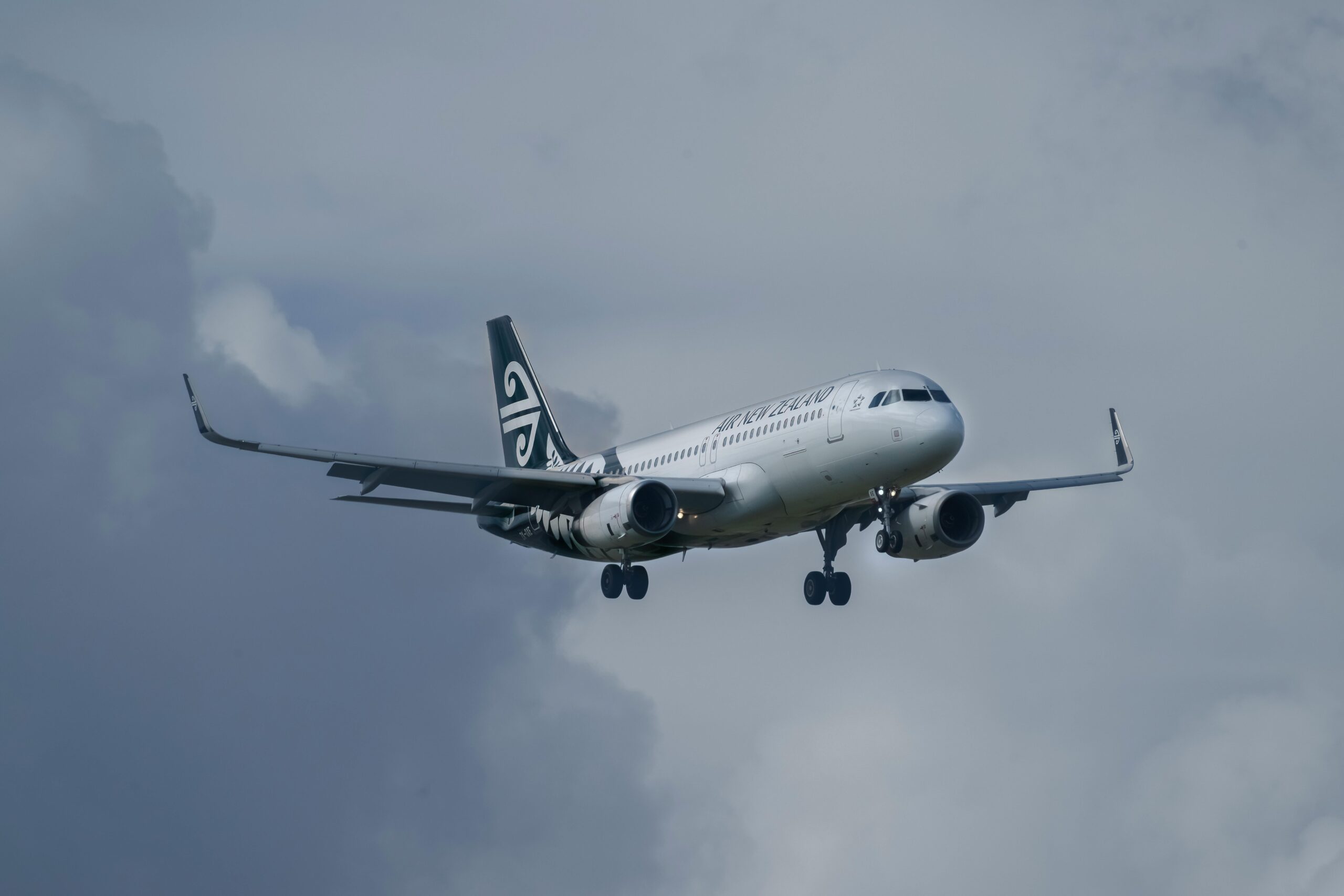
Air New Zealand has now opened a striking timber hangar at Auckland Airport to strengthen fleet maintenance. Therefore, the 10,000-square-metre facility boosts operations and secures readiness for future fleet expansion. Moreover, with the capacity to handle multiple aircraft at once, the hangar reduces downtime and improves efficiency.
Meanwhile, the structure rises 35 meters high and nearly 100 meters wide, offering space for a Boeing 787-9 and two Airbus A320 or A321 aircraft. Consequently, engineers used huge timber trusses from regional plantations, each weighing 38 tonnes. Furthermore, they lifted them with New Zealand’s largest crawler crane, which highlights the project’s massive scale.
In addition, Air New Zealand invested in timber because it provides strength and long-term sustainability. Thus, the design directs cables and services through underground channels, which keeps workspaces clear and efficient. Similarly, the hangar links with Hangar 3 through shared workshops and tool storage, which enhances workflow and prevents delays.
Additionally, the airline aimed for a 6 Green Star rating to highlight its commitment to sustainable aviation infrastructure. Therefore, the hangar’s 50-year lifecycle reflects a vision that balances environmental responsibility with operational performance.
However, this development arrives as Air New Zealand navigates financial pressure. Although net profit dropped from $146 million to $126 million, rising fuel and labor costs continue to strain operations. Nevertheless, cost control measures target savings of $100 million, and the new facility strongly supports those efforts.
Ultimately, Hangar 4 signals more than infrastructure growth. Instead, it represents the airline’s future direction in sustainability, efficiency, and long-term planning. Overall, the mix of advanced engineering, eco-conscious design, and operational foresight proves vital for a growing fleet.
Related stories:
Catch up on the top stories and travel deals by subscribing to our newsletter!