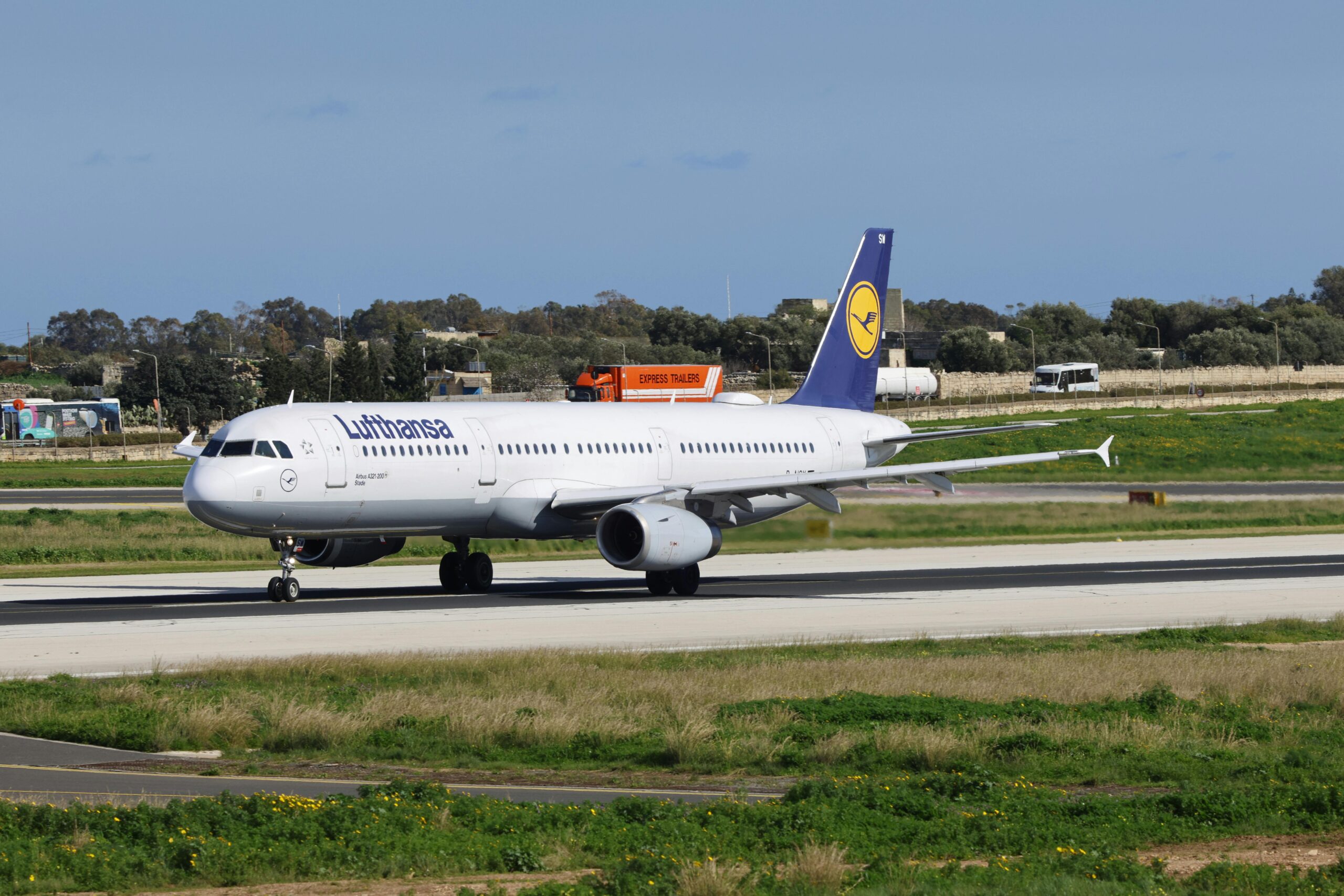
Lufthansa canceled five major flights after a cyberattack disrupted Europe’s airport systems. The cancellations hit routes between Chicago, Hamburg, Frankfurt, and London. The disruption began on September 19, 2025, and quickly created ripple effects across London, Brussels, and Berlin. Therefore, the airline struggled to manage schedules as automated systems failed and manual check-ins slowed operations.
The cyberattack targeted Collins Aerospace’s MUSE software, which powers automated check-in and boarding. Consequently, Lufthansa and other airlines switched to manual processes, which created delays, missed connections, and canceled flights. Frankfurt Airport did not face direct disruption. However, its wider network still felt the impact through canceled routes and rescheduled operations.
Meanwhile, travelers endured long queues, uncertainty, and weak communication at several airports. At Heathrow, passengers waited hours for rebooking, and they received little guidance. Therefore, the airline urged customers to check updates on its website and app before leaving. In addition, Lufthansa advised passengers to arrive three hours before long-haul departures to handle delays.
The canceled routes carried both business and leisure travelers. For instance, the Chicago to Frankfurt route connects U.S. and German markets. In addition, domestic German connections between Hamburg and Frankfurt stopped entirely. Furthermore, flights between Frankfurt and London collapsed, which cut one of Europe’s busiest corridors. As a result, these disruptions spread further, affecting tourism and business across the region.
Although the airline is recovering, the attack exposed weaknesses in aviation cybersecurity. Moreover, it highlighted risks for airlines that rely heavily on digital systems. Lufthansa now faces pressure to restore confidence, strengthen defenses, and safeguard future operations. Finally, this event showed how a single cyberattack can cripple multiple airports and disrupt global travel. Consequently, the aviation sector must strengthen systems to resist threats and protect passengers worldwide.
Related stories:
Catch up on the top stories and travel deals by subscribing to our newsletter!