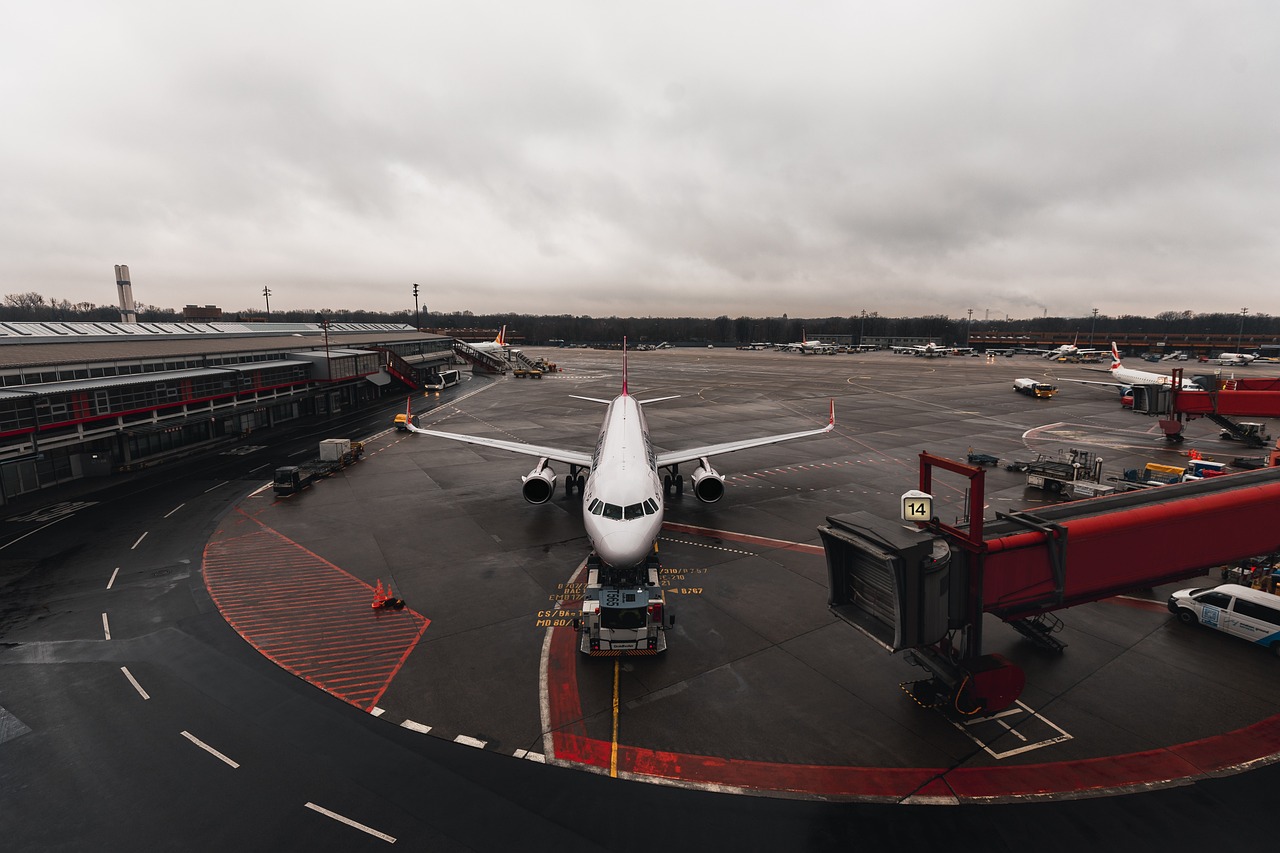
Dublin Airport closed Terminal 2 during a sudden security scare, creating chaos for travelers. The airport quickly moved passengers outside and suspended flights to protect safety. However, this decision left many people stranded without clear answers. Dublin Airport stressed its focus on safety, yet delays increased across the board.
Meanwhile, cyberattacks spread through European airports, making the crisis worse. Hackers hit key systems, which handle check-ins and baggage. As a result, flights were canceled in Brussels, Berlin, and London Heathrow. Therefore, the incident in Dublin linked directly to a larger breakdown across the continent.
The shutdown at Dublin Airport showed how much aviation depends on fragile digital networks. These systems run schedules, manage bags, and enforce security. Consequently, any failure brings widespread disruption. Authorities in Ireland and beyond worked nonstop to control the fallout and stabilize flights.
Passengers faced long waits, shifting schedules, and poor communication. In addition, many arrivals moved to Terminal 1, where hallways filled with tired travelers. Airlines encouraged people to check updates often because delays kept growing. The chaos proved that cyber threats can reach both businesses and public travel.
Furthermore, this event came at a tough time for aviation. The industry already faces high fuel costs and post-pandemic recovery struggles. Now, with hackers targeting airports, stronger defenses become urgent. Analysts believe airports must invest more in cybersecurity to prevent future crises.
Overall, Dublin Airport’s shutdown acted as a wake-up call. It showed how quickly digital threats can disrupt global travel. With tighter safeguards, airports may avoid such turmoil in the future. For now, passengers remain patient while staff restore order and rebuild trust.
Related stories:
Catch up on the top stories and travel deals by subscribing to our newsletter!