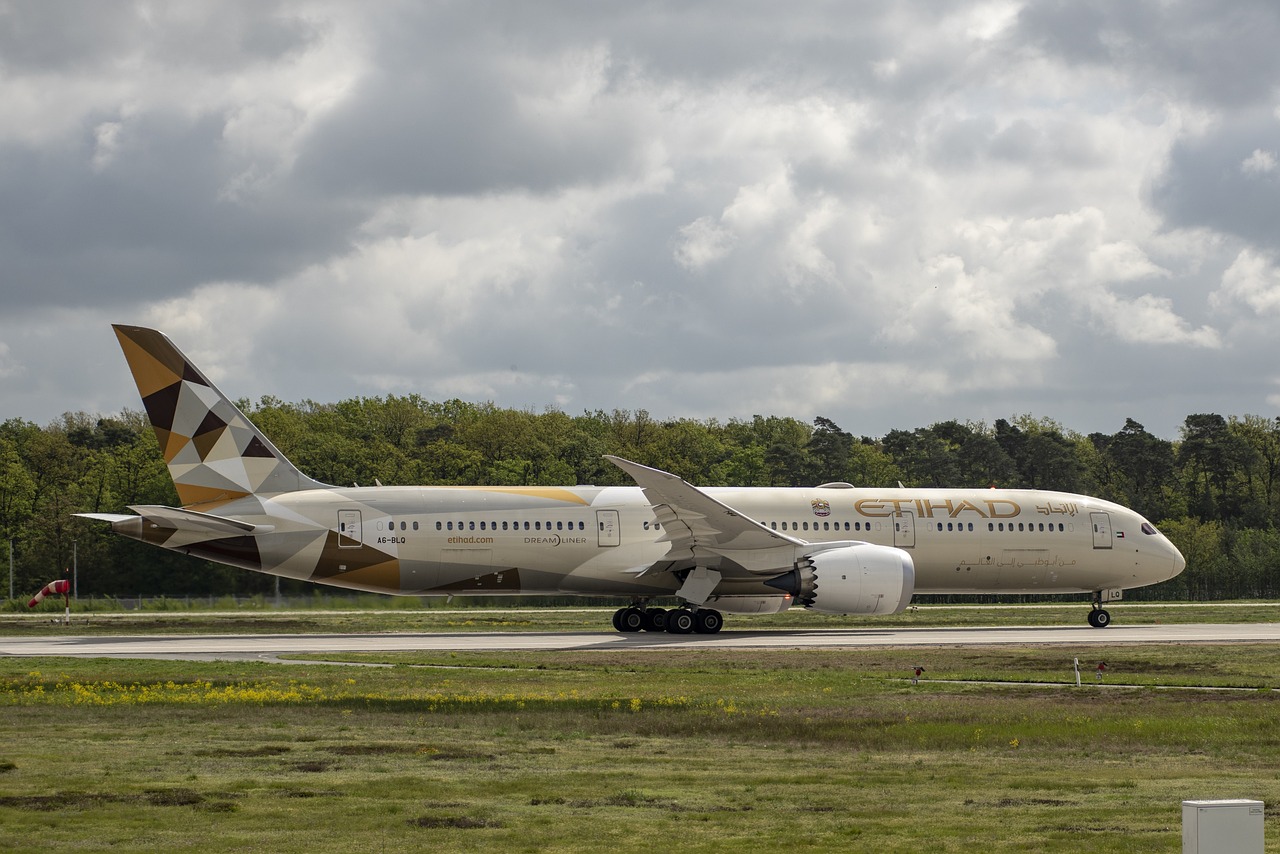
Etihad Airways faced a massive cyberattack that crippled its operations across major European airports. The disruption spread quickly to Heathrow, Brussels, and Berlin, where travelers endured long delays and chaotic check-in lines. The incident revealed how dependent global air travel remains on fragile digital systems.
The cyberattack targeted Collins Aerospace’s MUSE system, which powers airport check-in and baggage processes. As the system went offline, airports relied on slow manual procedures. Consequently, passengers experienced severe delays and mounting frustration. Etihad Airways urged travelers to arrive earlier, but even then, congestion grew worse as the day advanced.
Heathrow Airport felt the disruption most because of its record traffic this year. With more than 270,000 travelers on its busiest day, the airport struggled to handle the wave of passengers. When a system outage collides with this volume, even minor delays trigger huge ripple effects worldwide. Brussels and Berlin airports also struggled to keep services stable, as check-in counters slowed under pressure.
Other airlines, including Emirates, managed the crisis better by using online check-in tools and backup systems. This strategy helped them minimize disruption. However, Etihad Airways suffered the worst delays, which highlighted weaknesses in both airline and airport cyber defenses. Meanwhile, airports in Germany and Switzerland, including Frankfurt and Zurich, avoided major disruption and kept flights moving.
The timing of the attack amplified the challenge, as international passenger numbers remain at historic highs. From March 2024 to February 2025, Heathrow handled more than 84 million travelers. That scale means every delay magnifies into larger global travel setbacks. The incident stressed the need for stronger cybersecurity in aviation.
Etihad Airways must now rebuild confidence as travelers demand smoother journeys. The attack serves as a sharp reminder that airlines cannot ignore digital risks while managing record-breaking passenger volumes.
Related stories:
Catch up on the top stories and travel deals by subscribing to our newsletter!