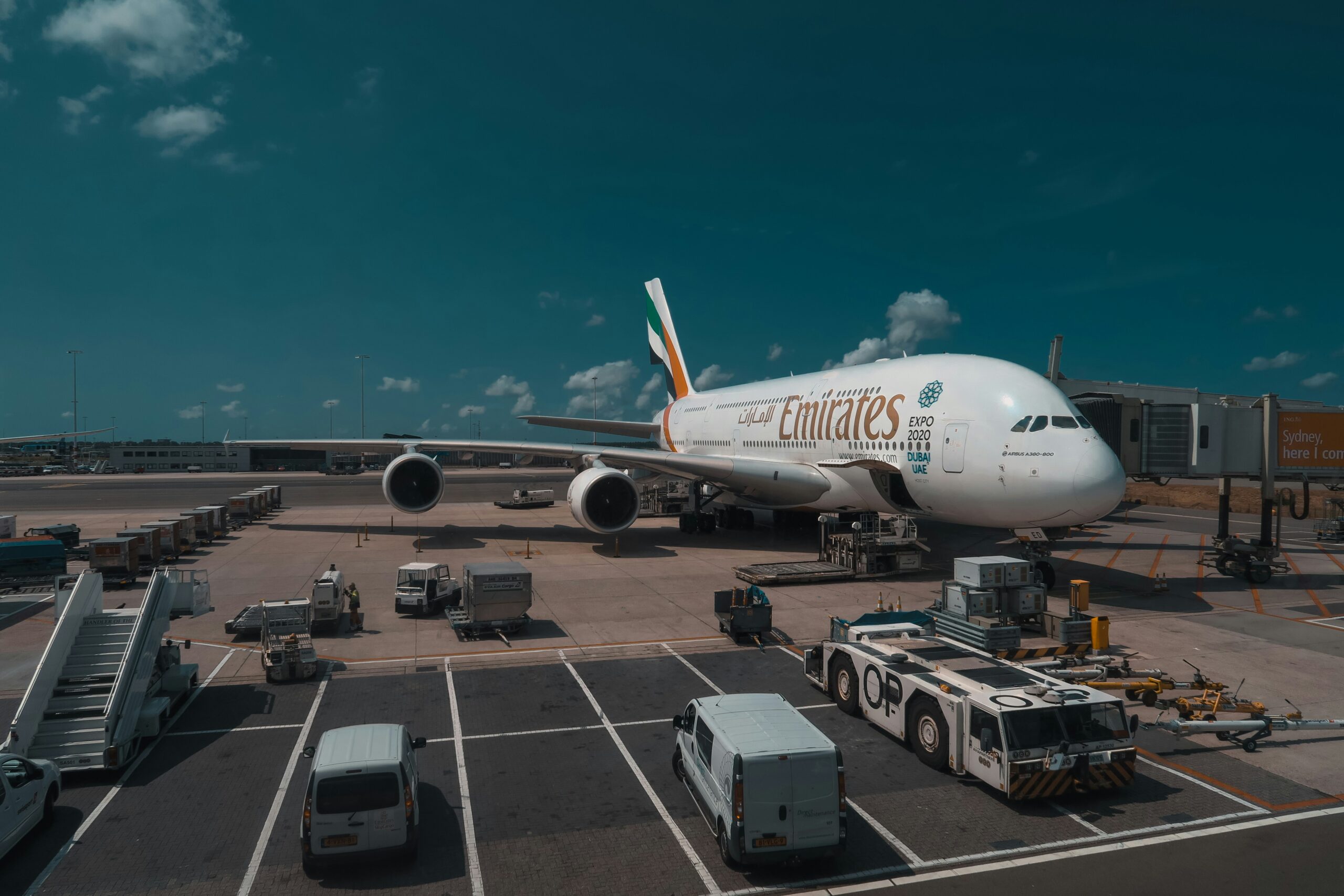
Emirates Flight EK226 from San Francisco to Dubai faced a major disruption on September 19. The flight, operated by Emirates, remained grounded for more than three hours when rumors of a $100,000 H-1B visa surcharge spread among passengers. Anxiety quickly escalated, and dozens demanded to leave the aircraft, forcing the crew to delay departure.
The situation intensified because many passengers on the flight were Indian nationals. Since they hold most H-1B visas in the United States, the speculation about the new fee created deep uncertainty. Travelers feared that the high charge could block their ability to re-enter America, which triggered a chain reaction of offloading requests. Each request extended ground operations and added strain on the flight staff.
The confusion revealed how fragile passenger confidence becomes when sudden immigration rules surface. Airlines must follow strict safety steps whenever travelers choose to disembark. Therefore, Emirates crew members allowed exits, but the process caused a significant delay. The aircraft eventually departed nearly four hours late, reaching Dubai long after its scheduled time.
The White House later clarified that the new fee only applies to fresh applicants. However, the damage was already done, as panic had spread before any official update reached the cabin. The episode highlights how immigration changes can influence international air travel instantly. Passengers now remain on alert for future disruptions tied to evolving policies.
Tech companies also feel the pressure, as most of their foreign talent relies on the H-1B program. A fee of this scale could discourage skilled professionals from traveling abroad, reshaping hiring strategies in Silicon Valley. The Emirates incident underscored how immigration uncertainty can ripple across both aviation and global business.
Related stories:
Catch up on the top stories and travel deals by subscribing to our newsletter!