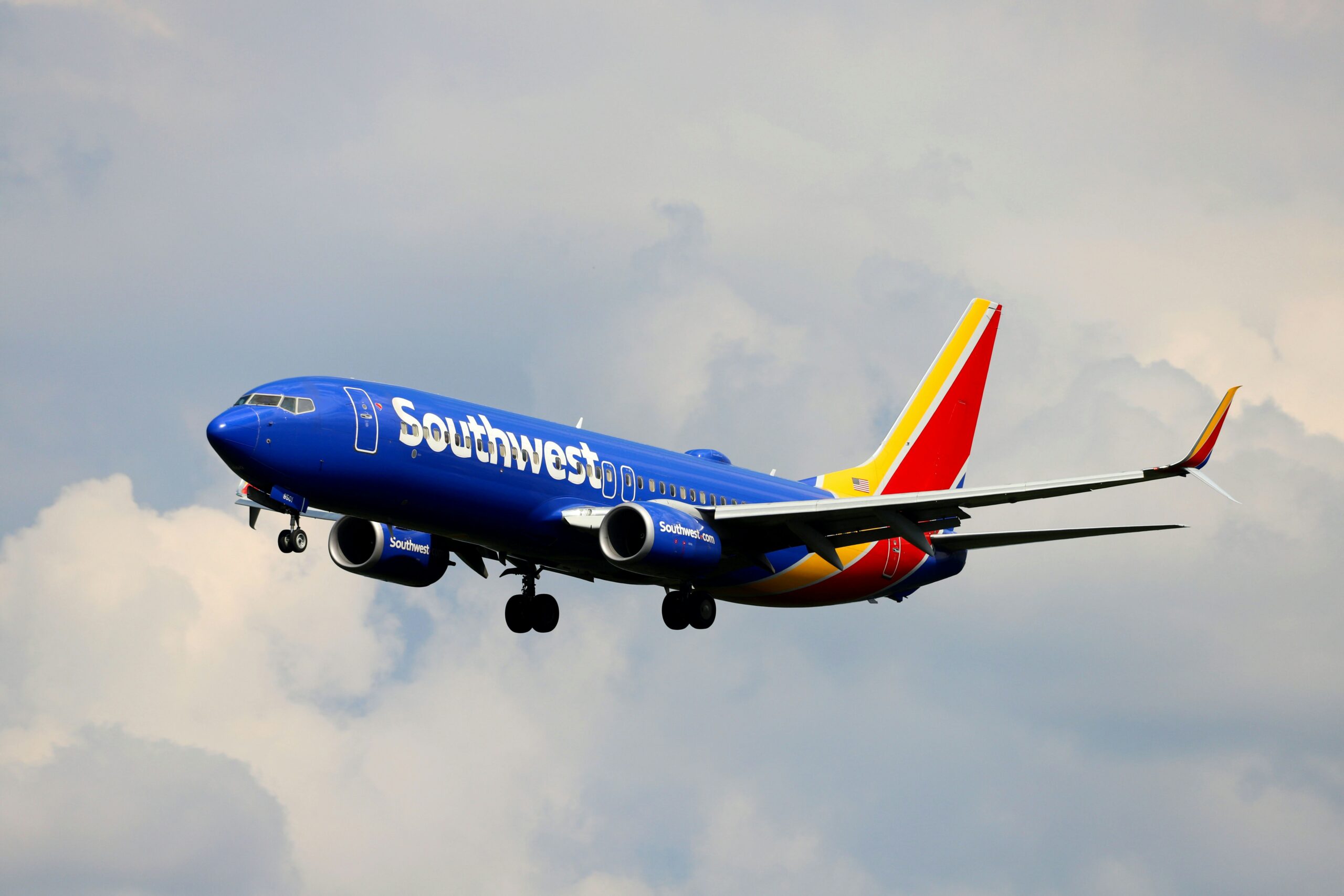
Southwest Airlines has launched a new policy for passengers using electric wheelchairs and scooters. Starting September 25, 2025, the airline requires travelers to remove lithium-ion batteries from mobility devices before check-in. The airline also directs passengers to carry these batteries into the cabin. These batteries will not count toward carry-on limits, which reduces confusion during boarding. This rule responds to safety concerns as airlines face more incidents linked to lithium batteries.
The Federal Aviation Administration has reported many overheating cases in recent years. Airlines now push stricter measures to minimize risks. Therefore, Southwest Airlines aims to increase safety standards while keeping flights smooth. Starting January 11, 2026, travelers can only bring batteries up to 300 watt-hours. This capacity rule ensures safer cabin management and reduces fire hazards in the cargo hold. Travelers with higher-capacity batteries must replace them to comply with new requirements.
The policy also creates new challenges for travelers. Many passengers depend on mobility devices for daily use in airports. Removing and carrying heavy batteries adds pressure for elderly passengers and those with health conditions. The physical strain may increase when flights involve long connections or crowded terminals. Despite difficulties, the new guidelines highlight the airline’s commitment to safety above convenience.
Passengers planning trips within or to the United States must prepare ahead. They should check the watt-hour rating of their devices and detach batteries before check-in. By following these instructions, travelers can avoid last-minute disruptions. Southwest Airlines encourages passengers to review updates on its website and plan carefully. Early preparation helps passengers secure smoother experiences while traveling under the revised rules.
Southwest Airlines continues to adjust policies as aviation risks evolve. By complying with new standards, travelers can safeguard both their journey and other passengers. Safety remains the central priority as airlines confront modern travel challenges.
Related stories:
Catch up on the top stories and travel deals by subscribing to our newsletter!