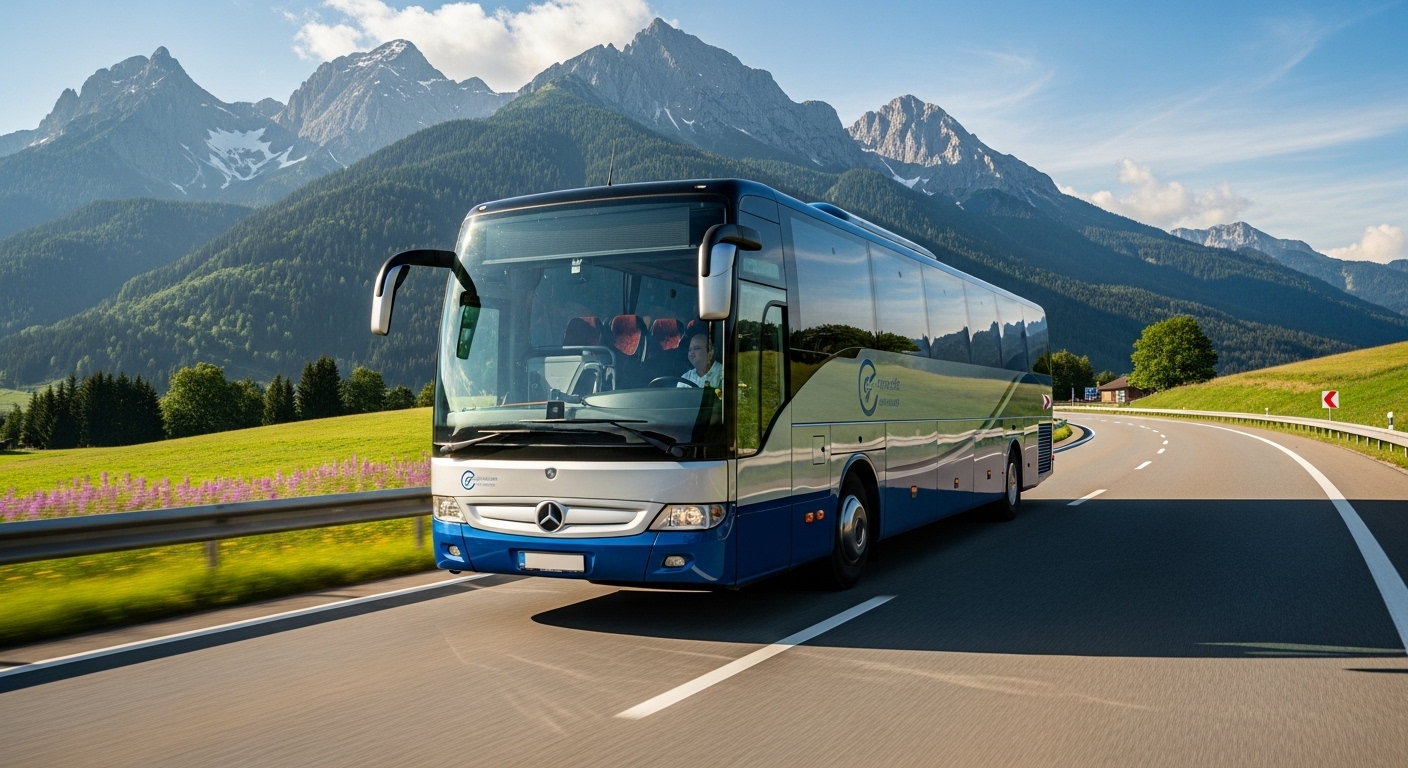
Have you ever wondered why some countries seem to have public transport figured out so well, while others struggle with traffic chaos and unreliable buses? When it comes to traveling between cities, not everyone hops on a train or boards a plane. In many parts of the world, intercity bus systems are the backbone of affordable, accessible, and comfortable travel. Today, we’re diving deep into the fascinating world of countries with the most efficient intercity bus systems, and trust us, this is way more exciting than you might think. By the time you’re done reading, you might even be inspired to plan your next trip by bus instead of the usual flight or train ride.
Think about this for a second: how often do we underestimate buses? People tend to see them as slow, uncomfortable, or outdated. But in many countries, intercity buses are not just practical—they’re incredibly advanced, offering Wi-Fi, reclining seats, entertainment screens, clean restrooms, and even snacks. So, if you’ve ever judged buses as the “budget traveler’s last resort,” this blog might surprise you.
Before we dive in, let us ask you—have you ever taken a long-distance bus trip that was surprisingly enjoyable? Or maybe one that was unforgettable for the wrong reasons? We’d love to hear your story in the comments at the end of this post. Your feedback makes these discussions richer for everyone who reads them.
Why Intercity Bus Systems Still Matter in 2025
In today’s fast-moving world, many travelers prioritize speed. Planes and high-speed trains are often marketed as the ultimate solution for intercity travel. But here’s the thing: they’re not always accessible to everyone. Trains don’t reach every corner of a country, and flights can be costly or inconvenient for short-to-medium distances. That’s where buses shine. Efficient bus systems bridge the gap between cities, towns, and rural areas, making travel inclusive for all kinds of passengers.
Another reason intercity bus systems matter is sustainability. Countries are under pressure to reduce carbon footprints, and modern bus fleets are increasingly adopting eco-friendly technologies like hybrid engines or fully electric buses. Can you imagine boarding an intercity bus that produces nearly zero emissions while still offering high comfort? That’s not a dream—it’s a growing reality.
What Makes an Intercity Bus System Truly Efficient?
Now, before we list the countries leading the game, let’s break down what makes a bus system efficient in the first place. Efficiency isn’t just about speed—it’s about reliability, comfort, affordability, and accessibility. Here are a few factors that determine whether a country can boast about its bus system:
- Punctuality: Buses that run on schedule build trust among passengers.
- Coverage: Does the bus system reach remote towns as well as major cities?
- Comfort: Seats, legroom, air conditioning, restrooms, and onboard services make a big difference.
- Affordability: Travelers should feel they’re getting value for money.
- Eco-friendliness: Adoption of low-emission or electric buses matters more than ever.
- Digital integration: Online booking apps, real-time bus tracking, and contactless payments make travel seamless.
With that in mind, let’s explore the countries that are excelling in this space.

Germany: Precision Meets Comfort
It’s no surprise that Germany, a country famous for efficiency, also boasts one of the best intercity bus networks in the world. Companies like FlixBus have revolutionized bus travel, making it affordable, punctual, and incredibly convenient. Imagine booking your ticket on an app, checking the bus’s location in real-time, and then enjoying a comfortable ride across beautiful landscapes. Germany’s buses are not just about getting from A to B—they’re about doing so with precision and style.
And let’s be honest—wouldn’t you rather pay €20 for a cross-country bus ride with Wi-Fi than €100 for a train ticket that only gets you there an hour faster? That’s the trade-off many German travelers happily make.
Japan: The Land of Comfort and Innovation
Japan may be globally known for its bullet trains, but its intercity buses are nothing to overlook. From Tokyo to Osaka, overnight buses offer reclining seats that feel like mini beds, complete with privacy curtains, reading lights, and charging ports. Some buses even have personal entertainment screens—just like airlines. For budget-conscious travelers who still want top-notch service, Japan’s bus system is a dream come true.
Here’s a fun thought—would you choose an overnight bus with a cozy sleeping pod over a hotel stay plus an expensive train ride? In Japan, many travelers do, and they love the experience.
Brazil: Connecting Vast Distances
Brazil is huge—like, really huge. Trains aren’t always practical for such distances, and flights can be costly. That’s where buses step in. Brazil has one of the most extensive intercity bus systems in the world, connecting massive cities like São Paulo, Rio de Janeiro, and Brasília to smaller towns spread across the country. The buses often feature luxurious amenities—think reclining leather seats, air conditioning, and even meal service on some routes.

For a country with such geographic diversity, buses aren’t just an option—they’re a lifeline. Have you ever thought about how important buses are for countries with challenging terrains and massive populations? Brazil is a perfect example.
Turkey: Affordable and Surprisingly Luxurious
Turkey’s intercity buses are legendary among travelers. Whether you’re going from Istanbul to Cappadocia or from Ankara to the Mediterranean coast, buses in Turkey are reliable, affordable, and surprisingly luxurious. Imagine free tea, snacks, and personal entertainment screens at a ticket price that feels almost too good to be true. Turkish bus companies like Kamil Koç and Metro Turizm have set high standards for intercity travel.
If you’ve ever complained about buses being uncomfortable, one ride in Turkey might change your mind forever.
United States: A Mixed Bag with Strong Contenders
The United States has a complicated relationship with buses. For many, “Greyhound” might not bring back the fondest memories. However, the U.S. has seen major improvements with companies like Megabus, FlixBus, and regional operators stepping up their game. Affordable tickets, onboard Wi-Fi, and real-time booking apps are transforming the American bus experience.
And let’s be real—given how expensive domestic flights can be, buses often save travelers a ton of money. Plus, the environmental benefits of choosing buses over cars or planes make them a responsible choice.
Other Notable Mentions
Of course, there are many more countries worth mentioning. Mexico, for example, offers incredibly reliable and comfortable bus services that many travelers swear by. In South Korea, intercity buses are clean, punctual, and tech-savvy. Even in countries like India, where traffic congestion is a challenge, private bus operators are raising standards with luxury coaches and sleeper buses.
The Human Side of Intercity Buses
Beyond efficiency and comfort, intercity buses are also about the human experience. Think about the conversations you’ve had with strangers while traveling, the views you’ve admired from a bus window, or the peaceful feeling of dozing off while the world rolls by. Buses create unique travel memories that are often more personal than flying or even taking a train.
So here’s a question for you: what’s your most memorable bus journey? Was it hilarious, frustrating, life-changing, or just plain ordinary? We’d love to hear your story in the comments—it might resonate with someone halfway across the world.
Looking Ahead: The Future of Intercity Bus Travel
The future of intercity bus travel is more exciting than ever. With increasing investments in electric buses, improved booking platforms, and rising awareness about eco-friendly travel, buses are set to remain a vital part of global transportation systems. Imagine boarding an AI-operated electric bus that drives itself safely across highways—sounds futuristic, right? But it might not be too far away.
Countries with the most efficient intercity bus systems are already paving the way for such innovation. The focus is shifting toward sustainability, comfort, and digital integration. And as passengers, we get to enjoy the best of both worlds: affordability and reliability combined with modern-day luxuries.
So, the next time you plan to travel between cities, don’t dismiss buses as a “lesser” option. In fact, many of the countries with the most efficient intercity bus systems prove that buses can be an amazing way to travel—one that’s comfortable, eco-friendly, and surprisingly enjoyable. Whether it’s Germany’s punctuality, Japan’s comfort, Brazil’s reach, or Turkey’s affordability, each country brings something unique to the table.
Now we turn the question to you—would you consider choosing a bus over a train or flight for your next trip? Why or why not? Drop your thoughts in the comments. We genuinely enjoy reading your feedback and experiences.
And hey—don’t forget to follow us on our social media platforms for more Countries With the Most Efficient Intercity Bus Systems. We’re always sharing content that might inspire your next adventure.
Catch up on the top stories and travel deals by subscribing to our newsletter!