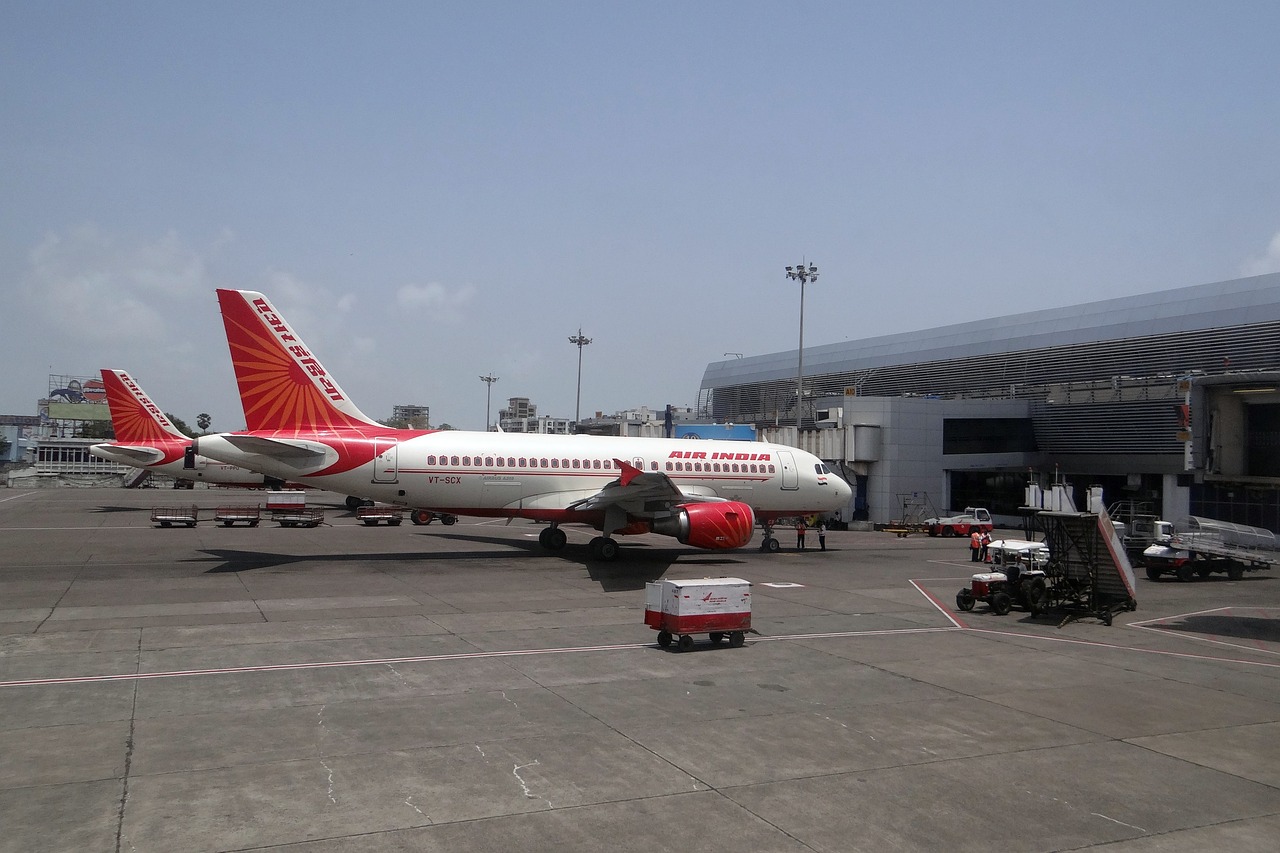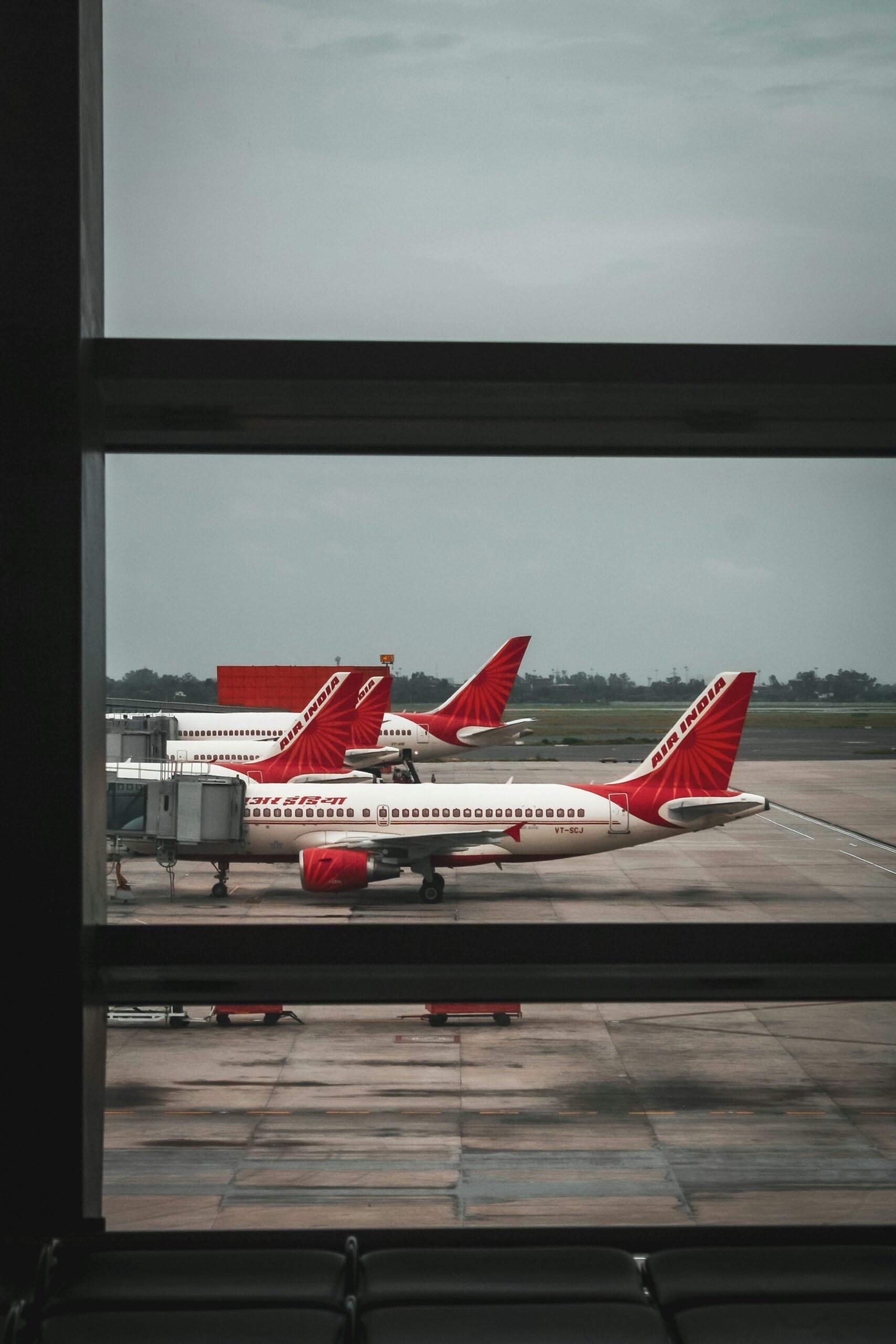
An Air India Boeing 787 Dreamliner completed a safe landing at Birmingham Airport after its emergency system activated unexpectedly during approach. The incident occurred on flight AI117 from Amritsar to Birmingham on Saturday evening, raising brief concern before the aircraft landed smoothly.
The aircraft’s ram air turbine, or RAT, deployed in midair, signaling a potential issue with power or hydraulics. The RAT is a small emergency propeller that provides backup power if both engines or all hydraulic systems fail. However, engineers later confirmed that all systems functioned normally, and the deployment appeared unnecessary.
Authorities grounded the Dreamliner for inspection to ensure flight safety. The return service to Delhi was canceled while the airline arranged alternate flights for passengers. This precaution highlighted Air India’s commitment to safety, ensuring every technical irregularity receives thorough examination before resuming operations.
Experts note that the RAT’s activation can occur due to a system misread or a software glitch rather than an actual failure. The device extends automatically when sensors detect abnormal readings, which ensures the aircraft remains stable even in critical scenarios. In this event, the aircraft continued operating normally, and the crew maintained full control until landing.
This situation occurred only months after a separate Air India Boeing 787 crash in June, which placed the airline’s safety procedures under intense scrutiny. The recent event, though resolved safely, reinforces the importance of constant vigilance and quick response in aviation.
As global fleets increasingly rely on automated systems, such incidents remind carriers to balance technology with human oversight. Air India’s rapid action and safety-first response demonstrate strong operational standards in handling unexpected technical events.
Related stories:
Catch up on the top stories and travel deals by subscribing to our newsletter!