Have you ever dreamed of exploring countries where more than one language shapes the culture, the streets, and the very heartbeat of daily life? Traveling to nations with multiple official languages offers a unique adventure, challenging yet deeply rewarding. From savoring local cuisines to engaging with locals, these countries provide an extraordinary blend of history, culture, and communication that few other destinations can match. Read more on Visiting Countries With Multiple Official Languages.
Why Visiting Countries With Multiple Official Languages is a Unique Experience
Countries with multiple official languages often carry a rich historical and cultural heritage. Imagine walking through a city where street signs, menus, and announcements appear in two, three, or even four different languages. Such environments offer a profound insight into how diverse communities coexist and thrive. Learning to navigate these multilingual spaces can be both exciting and a little intimidating, but it also opens doors to experiences that are impossible in monolingual countries.
For example, consider Switzerland. With German, French, Italian, and Romansh as its official languages, every canton tells a unique story. Visiting Switzerland means being able to appreciate different culinary styles, architectural designs, and local traditions, all within one country. Similarly, Canada’s bilingual setup, with English and French as official languages, offers travelers a taste of North America with a European twist.
Planning Your Trip: Tips for a Seamless Multilingual Travel Experience
Preparation is key when visiting countries with multiple official languages. Start by researching the regions you plan to visit and understanding which languages dominate each area. This ensures you can communicate effectively and fully immerse yourself in the local culture. Language apps can help, but nothing beats learning basic phrases and cultural etiquette. Locals often appreciate even small attempts at speaking their language.
Additionally, consider using public transportation systems as a learning tool. In many multilingual countries, announcements in trains, buses, and airports are made in multiple languages, which can help you familiarize yourself with pronunciation and context. Tourist offices and local guides are another excellent resource, often offering multilingual tours to make your visit smoother and more engaging.
Experiencing Local Culture Through Language
One of the most rewarding aspects of traveling to multilingual countries is experiencing the culture through its languages. From reading literature and newspapers to listening to music and watching theater performances, language is a gateway to understanding the soul of a country. Engaging with locals in their native tongue—even at a basic level—enhances your travel experience and fosters deeper connections.
Have you ever tried ordering a meal in a country where the menu is written in two different languages? It’s a small adventure that often leads to unexpected delights. Moreover, festivals and public celebrations can feel even more vibrant when you recognize the languages being spoken. This interaction enriches your journey and provides memorable stories to share with others.
Challenges and How to Overcome Them
Traveling in countries with multiple official languages can come with challenges. Confusing signage, miscommunication, and navigating bureaucratic processes are common hurdles. However, these challenges are also opportunities to grow, adapt, and develop new skills. One helpful tip is always to carry a translation app and a small language guidebook. They can save you from frustration and make your experience much more enjoyable.
Another tip is to approach each interaction with patience and curiosity. Asking locals about language nuances or regional dialects often sparks interesting conversations and provides cultural insights that guidebooks cannot. Remember, every mistake is a learning opportunity, and embracing these moments can turn potential stress into an unforgettable part of your journey.
Top Countries With Multiple Official Languages to Explore
If you are planning a trip, here are some incredible countries where multilingualism is a core part of life:
- Switzerland: German, French, Italian, Romansh
- Belgium: Dutch, French, German
- Canada: English, French
- South Africa: 11 official languages including Zulu, Xhosa, Afrikaans, and English
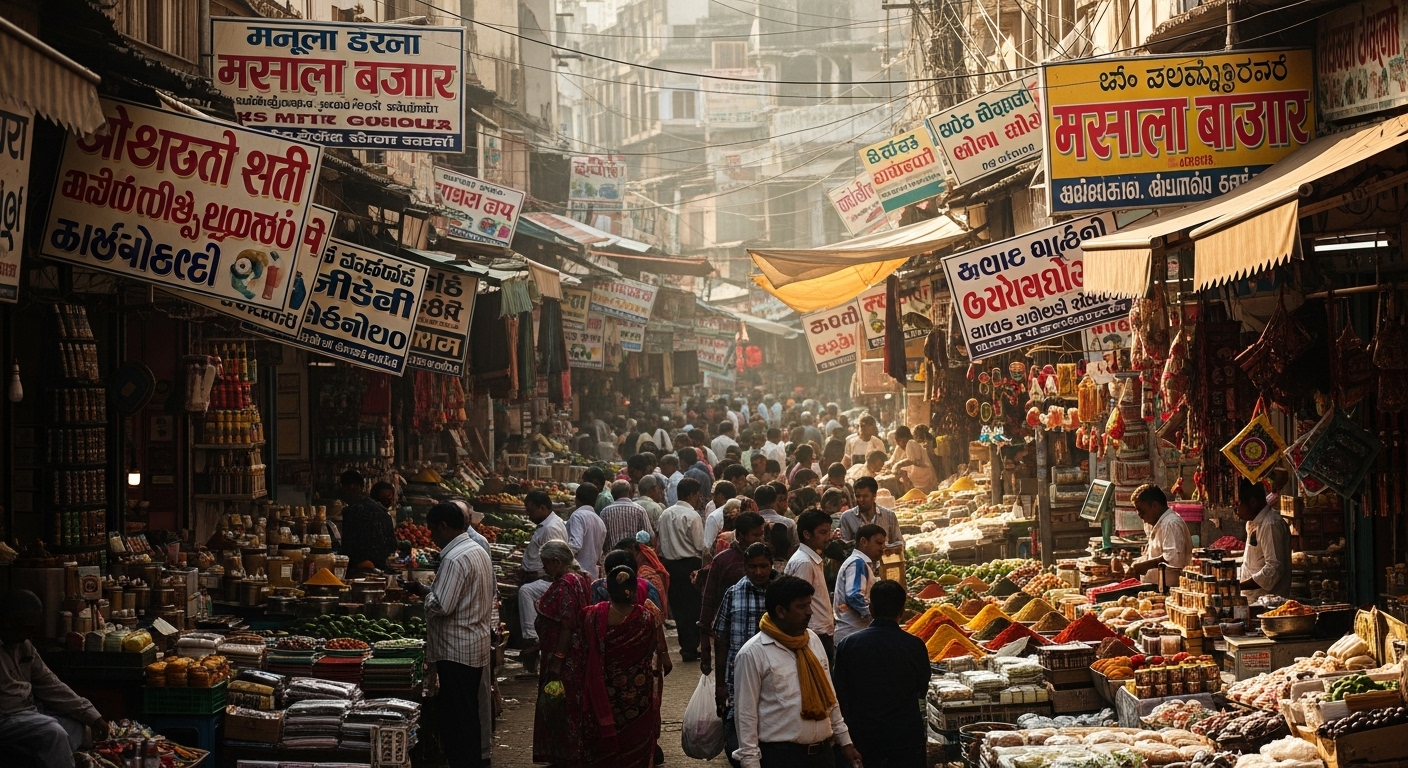
- India: Hindi and English as official, with 21 other recognized languages
- Luxembourg: Luxembourgish, French, German
- Finland: Finnish, Swedish

Visiting these countries offers not only the chance to practice different languages but also to witness how linguistic diversity shapes society. From food and fashion to social norms and governmental procedures, language influences every aspect of life.
Practical Tips for Multilingual Travel
1. Learn basic greetings and phrases in each official language of the region you visit.
2. Use language apps and offline translation tools for emergencies.
3. Respect cultural differences and approach language learning with curiosity.
4. Take guided tours or hire local guides to get authentic experiences.
5. Keep a notebook or digital record of interesting words and phrases you encounter.
Traveling to countries with multiple official languages is a journey beyond geography; it’s a journey into culture, history, and human connection. While it may require extra preparation and patience, the rewards are extraordinary. You will leave with new stories, new skills, and a broader perspective of the world. So, are you ready to explore the linguistic tapestry of our globe?
We’d love to hear from you! Share your experiences, challenges, or tips for traveling in multilingual countries in the comments. Don’t forget to follow us on our social media platforms for more exciting travel insights and guides.
Catch up on the top stories and travel deals by subscribing to our newsletter!