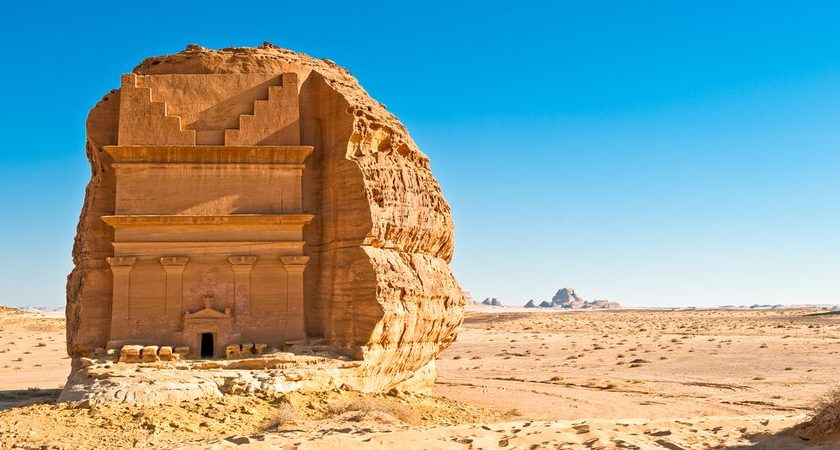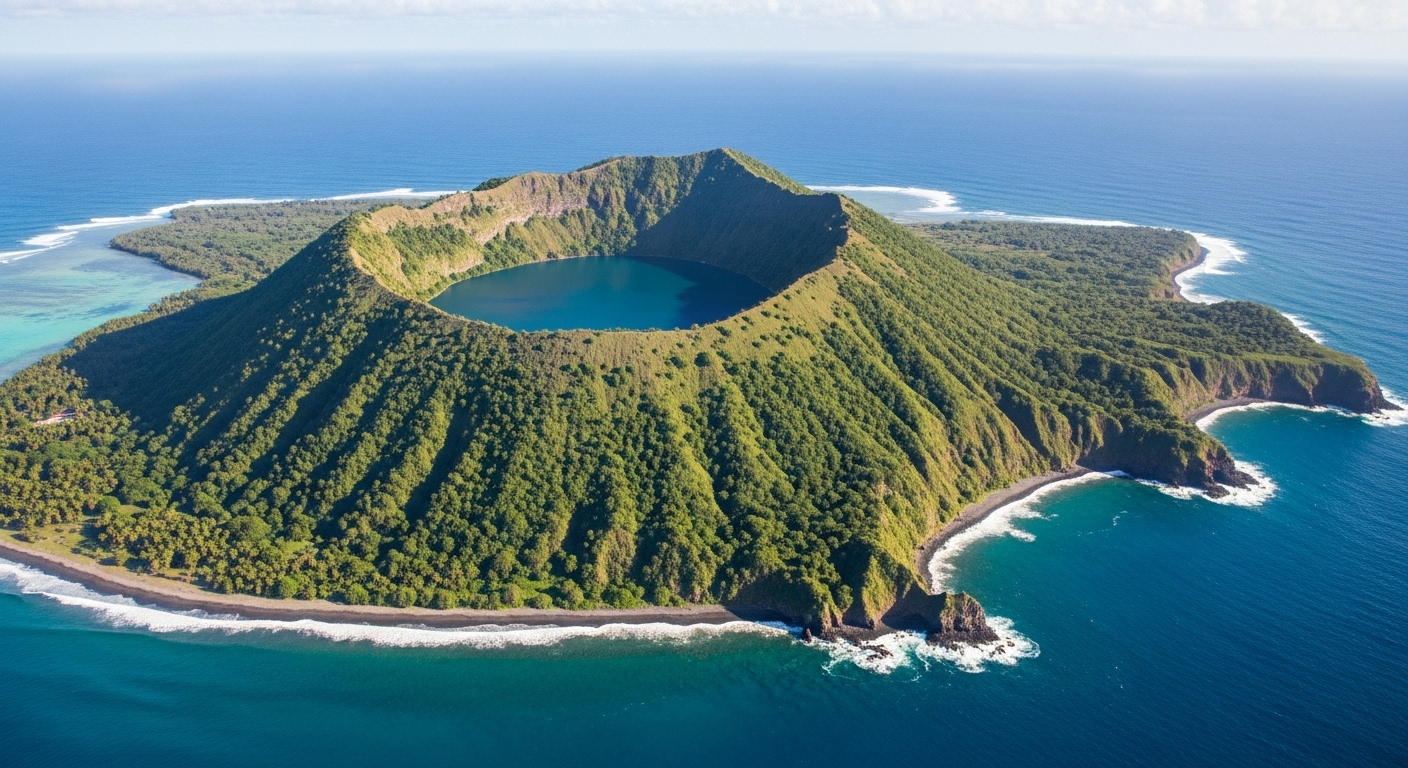
There’s something undeniably magnetic about volcanic islands. They’re raw, powerful, and breathtakingly beautiful—reminders that our planet is alive beneath our feet. Whether you’ve dreamed of standing on the rim of a smoking crater, soaking in a natural hot spring, or hiking through lush lava fields, exploring volcanic islands offers an adventure that few destinations can match. But how do you do it safely and sustainably?
In this blog, we’ll take you on a journey to uncover what makes volcanic islands so unique, how to prepare for an adventure among these natural wonders, and how to ensure your visit protects rather than harms these fragile environments. Ready to explore? Let’s dive in!
Why Volcanic Islands Fascinate Us
What is it about volcanic islands that captures the imagination? Maybe it’s their dramatic landscapes—black sand beaches, rugged cliffs, and steaming vents—or the idea of witnessing nature’s raw power up close. These islands are constantly evolving, shaped by eruptions, lava flows, and the slow process of regrowth. Each one tells a story of destruction and renewal.
Some of the world’s most famous destinations are volcanic—Hawaii, Iceland, Santorini, the Galápagos, and Indonesia’s many islands, to name a few. Visiting them isn’t just about sightseeing—it’s about connecting with the Earth’s forces and learning how life flourishes in such extreme conditions.
Safety First: How to Explore Volcanic Islands Responsibly
When planning to go exploring volcanic islands, safety is the first rule. Volcanic areas can be unpredictable, so understanding potential risks before setting off is crucial.
- Check Activity Levels: Always check the local geological or national park authority’s reports. Active volcanoes can shift from calm to hazardous with little warning.
- Respect Warning Signs: Never cross safety barriers or ignore restricted zones. They’re there to protect you from toxic gases, unstable ground, or sudden eruptions.
- Go with a Guide: In destinations like Mount Etna or Kīlauea, guided tours offer safety and education. Local guides know the terrain, history, and safe routes better than anyone.
- Stay Prepared: Wear sturdy footwear, bring water, and carry a small emergency kit. Volcanic rock can be sharp and unstable, and weather conditions can change quickly.
The Beauty of Volcanic Landscapes
One of the most rewarding parts of exploring volcanic islands is witnessing their diversity. Some are lush with rainforests and coral reefs; others are stark and almost lunar in appearance. Think of the contrast between Bali’s emerald rice terraces and Lanzarote’s Mars-like terrain.

Volcanic soil is incredibly fertile, so you’ll often find vineyards, coffee plantations, or tropical gardens thriving nearby. In fact, some of the world’s best wines come from volcanic soil—try wines from Santorini, Sicily, or the Canary Islands for a true taste of the earth’s energy.
Hot Springs, Geysers, and Lava Caves: Nature’s Spa
Many volcanic islands are home to natural hot springs and geothermal pools. Imagine soaking in warm mineral water surrounded by misty mountains or lava fields. Iceland’s Blue Lagoon, Japan’s onsen culture, and the hot springs of Rotorua, New Zealand, are all famous examples.
Beyond relaxation, geothermal activity also powers renewable energy sources. Iceland and the Azores, for example, generate most of their electricity from geothermal power—a sustainable win for both locals and visitors.
Sustainable Travel on Volcanic Islands
Traveling to these fragile ecosystems requires a thoughtful approach. Volcanic islands often have delicate biodiversity that can easily be disturbed by careless tourism. So how can you travel responsibly?
- Choose Eco-Friendly Tours: Support companies that follow Leave No Trace principles and invest in conservation efforts.
- Respect Wildlife: Many volcanic islands are sanctuaries for rare species—observe from a distance and avoid feeding or touching animals.
- Reduce Waste: Bring reusable bottles and bags. Island ecosystems struggle with waste management due to limited land area.
- Stay in Sustainable Lodges: Look for accommodations using solar energy, recycling programs, or local food sourcing.
- Travel Off-Peak: Visiting during shoulder seasons helps reduce crowd pressure on fragile trails and communities.
Top Volcanic Islands to Explore
If you’re wondering where to start your adventure, here are some of the world’s most incredible volcanic islands worth exploring:
- Hawaii (USA): Visit the Hawaii Volcanoes National Park and witness the legendary Kīlauea and Mauna Loa. Explore black sand beaches and lava tubes while learning about native Hawaiian culture.
- Iceland: Land of fire and ice—where volcanoes coexist with glaciers. Drive the Golden Circle to see geysers, lava fields, and stunning waterfalls.
- Azores (Portugal): A group of lush, green islands with crater lakes, hot springs, and whale watching opportunities.
- Indonesia: Home to over 130 active volcanoes, including Mount Bromo and Mount Rinjani—breathtaking yet humbling landscapes.
- Santorini (Greece): A volcanic masterpiece shaped by eruptions thousands of years ago, now one of the most photogenic islands on Earth.
Respecting Local Communities and Culture
Many volcanic islands are home to resilient communities that have adapted to living near active volcanoes for centuries. Engaging with locals respectfully enhances your trip and supports sustainable tourism. Learn a few phrases in the local language, try traditional foods, and listen to the stories of those who’ve witnessed eruptions and regrowth firsthand.
Did you know that in places like Vanuatu or Japan, volcanoes hold spiritual significance? Locals often perform rituals or festivals to honor the mountains, viewing them as protectors rather than threats. Participating respectfully in such traditions can be a deeply meaningful experience.
How to Travel Sustainably Between Islands
Hopping between volcanic islands can be part of your adventure—but consider the environmental impact. Instead of frequent flights, opt for ferries or shared boats when available. Slow travel not only reduces carbon emissions but also allows you to experience local life more authentically.

If you do fly, try offsetting your carbon footprint through verified programs that invest in renewable energy or reforestation projects. Every small effort helps make exploring volcanic islands more sustainable for future travelers.
Tips for Capturing the Perfect Volcano Moment
Volcanic islands are a photographer’s dream—ever-changing light, dramatic colors, and surreal landscapes. Here are a few quick tips to capture them safely and beautifully:
- Use a tripod for sunrise or sunset shots—especially near fumaroles or steam vents where lighting shifts quickly.
- Respect restricted zones; never prioritize a photo over safety.
- Include human elements for scale—a small figure against a massive crater tells a story of awe.
Embracing the Spirit of Adventure
There’s no denying that exploring volcanic islands is thrilling. But beyond the adventure, it’s about perspective—understanding how powerful yet fragile our planet is. These islands remind us that destruction and creation coexist, and that even the most rugged landscapes can sustain incredible beauty and life.
So, where will your next adventure take you? Would you trek across Iceland’s lava fields, snorkel over the volcanic reefs of the Azores, or hike to the rim of Mount Etna? We’d love to hear about your dream volcanic journey—share it in the comments below!
Don’t forget to follow WentWorld for more travel inspiration, sustainable adventure tips, and stories from around the globe. Stay curious, travel responsibly, and keep exploring the wonders of our living Earth.
Catch up on the top stories and travel deals by subscribing to our newsletter!