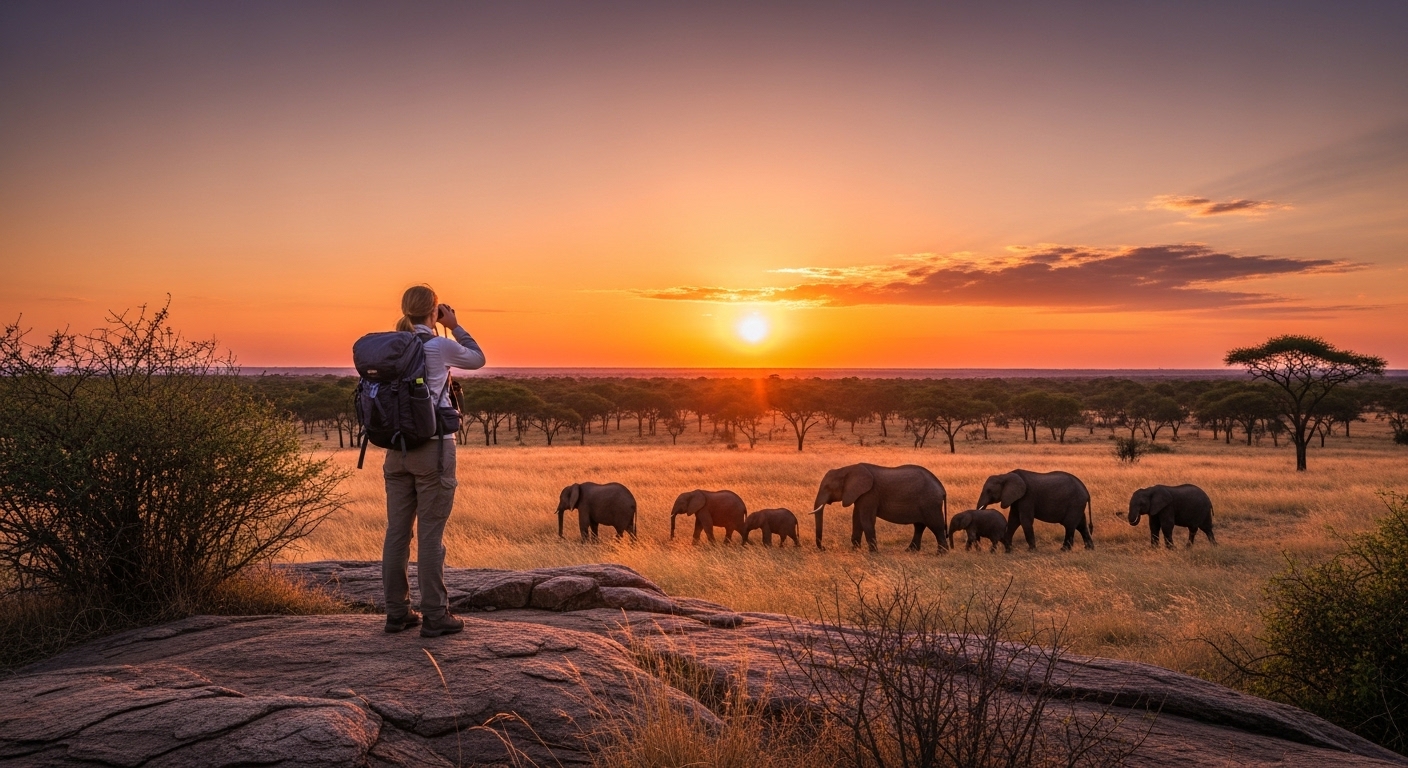
Traveling brings us closer to the incredible beauty of the natural world—towering mountains, turquoise seas, and of course, the wild creatures that call them home. Few experiences can match the thrill of seeing a lion in the savanna, a whale breaching the surface, or a troop of monkeys swinging through the jungle. But as breathtaking as these moments are, it’s crucial to ask ourselves a powerful question before we join any tour or attraction: Is this an ethical wildlife encounter?
Wildlife tourism can be a force for good—when done right. It can raise awareness, fund conservation efforts, and provide sustainable livelihoods for local communities. But when done wrong, it can cause harm, stress, and even exploitation of the very animals we admire. In this guide, we’ll dive deep into what makes a wildlife experience truly ethical, what red flags to watch out for, and how you can make sure your next animal encounter helps rather than harms.
Why Ethical Wildlife Encounters Matter
Let’s face it: humans love animals. That connection drives us to seek them out—whether it’s elephants in Thailand, dolphins in the Maldives, or orangutans in Borneo. Unfortunately, our desire to be close to wildlife has also led to a massive rise in unethical practices. Some animals are captured, chained, drugged, or forced to perform—all in the name of tourism.
When you choose an ethical wildlife encounter, you’re saying no to exploitation and yes to respect. You’re supporting operators who put animal welfare and conservation above profit. Ethical encounters focus on observing animals in their natural habitat rather than controlling them for entertainment.
Here’s the good news: responsible wildlife experiences are growing. Travelers like you are asking smarter questions, reading reviews carefully, and demanding transparency. And that’s changing the industry for the better.
Spotting Red Flags in Wildlife Tourism
Before booking your next wildlife adventure, it’s important to know the warning signs that something might not be right. Here are a few major red flags to avoid:
- Animal Performances: If animals are dancing, painting, riding bicycles, or performing tricks, it’s a clear sign of unethical treatment. These behaviors are unnatural and often the result of harsh training methods.
- Physical Contact: Petting, riding, or holding wild animals—like tigers, elephants, or sloths—usually involves stress, restraint, or sedation. Wild animals aren’t props for selfies.
- Unnatural Settings: Beware of “sanctuaries” that look more like zoos. True sanctuaries provide space, privacy, and enrichment—not cages or staged photo ops.
- Lack of Transparency: If a tour operator can’t answer questions about their animal care, breeding policies, or conservation efforts, it’s a bad sign.

What Makes an Encounter Truly Ethical
So, what should you look for in an ethical wildlife encounter? Here are key elements that separate responsible experiences from harmful ones:
- Observation Over Interaction: Ethical operators focus on watching animals behave naturally from a respectful distance—never forcing interactions.
- Animal Welfare First: Animals should have freedom to move, socialize, and express natural behaviors. There should be no signs of fear, pacing, or distress.
- Conservation Commitment: Ethical experiences often fund wildlife protection, habitat restoration, or rescue efforts. Your visit should contribute to something meaningful.
- Education and Awareness: The best tours don’t just entertain—they teach. Guides share information about animal behavior, ecology, and the challenges of conservation.
- Community Support: Look for tours that employ locals and support nearby villages. When communities benefit from protecting wildlife, everyone wins.
Examples of Ethical Wildlife Experiences Around the World
To help you get inspired, here are some remarkable destinations known for promoting ethical wildlife tourism:
- Borneo: The Sepilok Orangutan Rehabilitation Centre allows rescued orangutans to live semi-wild lives as they transition back into the forest. No touching, no posing—just pure observation.
- Kenya: The Maasai Mara’s eco-lodges focus on conservation-led safaris. You’ll witness lions, elephants, and cheetahs roaming freely in protected reserves managed by local communities.
- Norway: Whale watching in Tromsø offers respectful viewing distances and guidelines to minimize noise disturbance to marine life.
- India: Ranthambore National Park provides tiger sightings that follow strict rules on vehicle numbers and distance, ensuring minimal disruption.
- Peru: Amazon lodges like Tambopata Research Center fund conservation and provide jobs for local guides who help protect the rainforest and its creatures.
Questions to Ask Before Booking
When planning an ethical wildlife encounter, asking the right questions can help you avoid harmful operators and choose responsibly. Here’s what to consider:
- Are the animals free to come and go as they please?
- Does the organization rescue and rehabilitate animals, or breed them for tourism?
- Are visitors allowed to touch or feed the animals?
- How does the organization support conservation or local communities?
- Is there any scientific or educational mission behind the program?
If an operator doesn’t like answering questions or avoids giving details, that’s a major red flag. Responsible organizations welcome questions and are proud to explain how they protect animals.
The Role of Photography in Wildlife Tourism
Let’s talk about one of the biggest drivers of unethical tourism: photos. Everyone loves capturing memories, but sometimes our desire for the perfect shot leads to animal distress. When animals are held, posed, or forced to perform for a camera, their welfare suffers.
Here’s how to photograph wildlife ethically:
- Use a zoom lens instead of getting too close.
- Never use flash—it can startle or harm animals.
- Observe and wait for natural behavior instead of staging a scene.
- Share your photos to raise awareness about ethical tourism—not just likes.
How Ethical Tourism Helps Conservation
Choosing an ethical wildlife encounter can make a real difference. Revenue from responsible tours supports rangers, researchers, and local communities. It helps fund anti-poaching patrols and habitat protection programs. In many cases, it gives wildlife a higher value alive than dead, changing local attitudes toward poaching and hunting.
For example, gorilla trekking in Rwanda has become one of Africa’s biggest conservation success stories. Visitor fees fund conservation while improving community infrastructure—schools, clinics, and roads. Travelers witness incredible wildlife while contributing to its long-term survival. That’s what ethical travel should look like.
Supporting True Sanctuaries and Rescue Centers
Many tourists want to “help” animals, but not all sanctuaries are what they seem. True sanctuaries never breed, sell, or trade animals. They focus on lifelong care for rescued creatures that can’t return to the wild. Facilities that allow selfies, rides, or tricks under the guise of “education” are exploiting animals for profit.
Look for sanctuaries with international certifications like the Global Federation of Animal Sanctuaries (GFAS) or partnerships with credible conservation organizations. Read independent reviews, not just glossy marketing promises.
How to Spread the Message
Every traveler has influence. By choosing ethical wildlife encounters and sharing your experiences, you inspire others to follow your lead. Post about responsible operators, tag organizations that do it right, and explain why it matters. You can help shift tourism culture toward compassion and sustainability.
Education and advocacy go a long way—especially on social media. Travelers can create ripple effects that reach thousands. The next time a friend plans a wildlife trip, share your knowledge. One conversation might save countless animals from exploitation.
The Emotional Reward of Doing It Right
It’s easy to feel helpless in the face of global environmental problems—but ethical travel is one powerful way to make a positive difference. Seeing a whale breach in the wild, a rescued elephant roam freely, or a sea turtle hatch and crawl to the ocean fills you with awe and gratitude. These moments connect us deeply with nature—and remind us why protecting it matters.
When your adventure aligns with compassion and respect, the experience becomes unforgettable. You’re not just a tourist—you’re a part of the solution.
Wildlife encounters are some of the most magical moments we can have on Earth—but only when done ethically. Every decision we make as travelers shapes the future of wildlife tourism. The next time you plan a trip, take the time to research, question, and choose wisely. The animals—and the planet—depend on it.
So, what’s your take on ethical wildlife travel? Have you ever had an inspiring encounter in the wild? Share your story with us in the comments below! And don’t forget to follow WentWorld for more travel insights, sustainability tips, and inspiring destinations from around the globe.
Catch up on the top stories and travel deals by subscribing to our newsletter!