Have you ever visited a new country and worried about accidentally offending someone without realizing it? You’re not alone. Traveling introduces us to fascinating traditions and lifestyles—but it also challenges us to adapt to unfamiliar etiquette. Understanding how to be a polite guest in cultures with formal customs isn’t just about good manners; it’s about showing respect, building connections, and embracing global diversity.
Every culture has its unique set of expectations for guests—from how you greet someone to where you sit at the dinner table. What might seem normal at home can be inappropriate elsewhere. That’s why being culturally aware is one of the most valuable travel skills you can develop. So, let’s explore how to navigate these differences gracefully and make your travels more meaningful.
Why Cultural Etiquette Matters More Than You Think
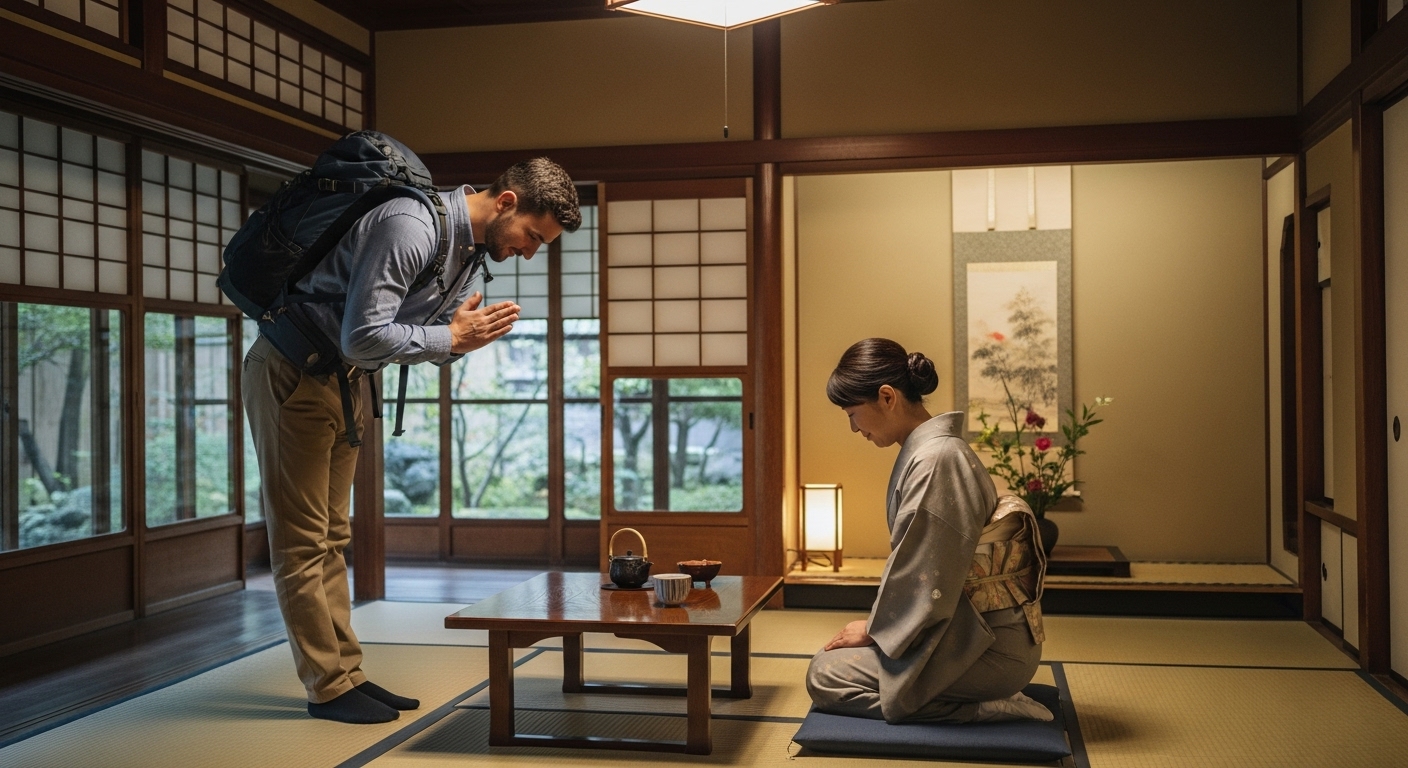
Traveling isn’t just about seeing landmarks—it’s about connecting with people. But connection requires understanding. In many societies, etiquette reflects deep-rooted traditions and values. For instance, in Japan, bowing is a sign of respect, while in India, removing your shoes before entering someone’s home is a gesture of cleanliness and humility. Knowing these small details shows that you value and respect the host culture.
Ignoring local customs can unintentionally create distance or discomfort. However, making an effort to learn even a few cultural norms demonstrates humility, gratitude, and curiosity—all traits that make you a truly welcome guest anywhere in the world.
Understanding Formal Cultures: What Makes Them Different?
Formal cultures are those that emphasize hierarchy, tradition, and respect in social interactions. They often have established rules about greetings, dining, dress, and conversation. Examples include Japan, South Korea, China, France, Germany, and many Middle Eastern countries. In these societies, politeness is not just appreciated—it’s expected.
Understanding how to be a polite guest in cultures with formal customs means observing and adapting to these unspoken rules. It’s about reading the room, noticing body language, and mirroring the formality level of your host. Formality doesn’t mean coldness—it’s often a sign of mutual respect.
First Impressions: The Art of Greeting Correctly
Did you know that your greeting can set the tone for an entire interaction? In some cultures, a handshake is too casual, while in others, not shaking hands may be seen as rude. The trick is to do a little research before your trip. Here’s a glimpse into how greetings differ around the world:
- Japan: A polite bow is the standard greeting. The deeper the bow, the more respect you convey.
- France: A light handshake is appropriate for formal situations, while close friends exchange kisses on the cheek (air kisses).
- Middle East: Handshakes are common, but men and women often do not shake hands unless initiated by the woman.
- Thailand: A “wai,” where you press your palms together near your chest and bow slightly, is a traditional greeting.
- India: The “Namaste” gesture—palms together and a small bow—is both spiritual and respectful.
When in doubt, follow your host’s lead. That small gesture of observation shows awareness and adaptability, two key traits of a respectful traveler.
Dining Etiquette: A Global Language of Respect
Dining can be one of the trickiest parts of navigating formal customs. The way you eat, where you sit, and even how you use your utensils can vary dramatically from one culture to another. In Japan, for instance, sticking chopsticks upright in a bowl of rice is considered offensive because it resembles a funeral ritual. In France, placing your hands under the table is seen as impolite—hands should remain visible at all times.
Here are a few more examples of dining etiquette to keep in mind:
- China: Always let the host start eating first. Refusing seconds may seem ungrateful, so accept small portions.
- South Korea: Wait for the eldest person to begin eating before you do.
- Middle East: Eat with your right hand only; the left hand is traditionally considered unclean.
- Italy: Meals are a social event. Don’t rush, and never ask for ketchup for pasta—it’s a culinary sin!
- India: Eating with your hands is common, but do so only with the right hand and wash before and after.
Food is often the heart of hospitality. Showing respect for mealtime customs is one of the most powerful ways to honor your host’s culture and generosity.
Dress Codes: When in Doubt, Stay Modest
Clothing often reflects cultural values. In many formal societies, dressing modestly and neatly is a sign of respect. This doesn’t mean you have to abandon your personal style—but adapting to local expectations goes a long way.
For example, in Middle Eastern countries, both men and women are expected to dress conservatively. In Japan, neatness and cleanliness are essential, and wearing overly casual clothes in public can appear disrespectful. When visiting temples or churches in Europe or Asia, modest attire (covered shoulders and knees) is often required.
Remember, your appearance communicates effort and awareness—qualities that make a lasting positive impression.
Gift Giving: A Small Gesture That Speaks Volumes
Gift giving is another important aspect of hospitality in formal cultures. However, what you give—and how you give it—can vary greatly. In Japan, presentation matters as much as the gift itself. Gifts are usually wrapped beautifully and offered with both hands. In China, red or gold wrapping symbolizes good luck, while clocks or sharp objects are avoided because they represent bad omens.
In many European countries, flowers, wine, or local delicacies make thoughtful gifts when visiting someone’s home. But remember to check cultural taboos—certain flowers or colors might carry unintended meanings.
When you understand and respect these nuances, your gesture becomes more than polite—it becomes meaningful.

Conversation Etiquette: Reading Between the Lines
Being polite in formal cultures often extends to how you speak and listen. Many societies value indirect communication, where subtlety and tone matter more than words. Interrupting, raising your voice, or being too informal can be seen as disrespectful.
Here are a few conversational tips to help you navigate gracefully:
- In Japan or Korea, silence is not awkward—it’s a sign of thoughtfulness.
- In France, addressing people with the correct title (Monsieur, Madame) is expected until invited to use first names.
- In Germany, punctuality and direct but polite communication are highly valued.
- In India, humor and friendliness are appreciated, but avoid overly personal questions.
- In Middle Eastern countries, avoid discussing politics or religion unless you know your host well.
Listening carefully and responding respectfully shows emotional intelligence—something every culture values.
Handling Mistakes With Grace
No matter how much you prepare, cultural misunderstandings can happen. The key is not to panic. Most hosts appreciate sincere effort over perfection. If you make a mistake—say, using the wrong greeting or sitting in the wrong spot—apologize kindly and move on.
Humility often earns more respect than flawless behavior. After all, travel is about learning, not just performing. A smile and a genuine “I’m sorry, I’m still learning your customs” can dissolve tension instantly.
Building Lasting Connections Through Respect
Understanding how to be a polite guest in cultures with formal customs doesn’t just help you avoid awkward moments—it opens doors. When you show respect, people open their homes, share stories, and welcome you as one of their own. This is the true magic of travel—turning strangers into friends through empathy and cultural understanding.
By blending curiosity with courtesy, you not only enrich your experience but also leave a positive impression that lasts long after your visit ends. Every respectful interaction contributes to a kinder, more connected world.
Being a polite guest in formal cultures is about more than remembering rules—it’s about embracing differences with respect and grace. The more you travel, the more you realize that manners are a universal language. They might look different everywhere, but they all mean the same thing: kindness, appreciation, and understanding.
So next time you pack your bags, take your manners with you. Observe, listen, and adapt. The world is full of traditions waiting to be understood, and every effort you make to respect them adds warmth to your journey.
Have you ever experienced a cultural misunderstanding while traveling? Or perhaps a heartwarming moment when your efforts to be polite paid off? Share your stories in the comments—we’d love to hear from you! And don’t forget to follow us on our social media platforms for more travel insights and etiquette guides that make your adventures unforgettable.
Catch up on the top stories and travel deals by subscribing to our newsletter!