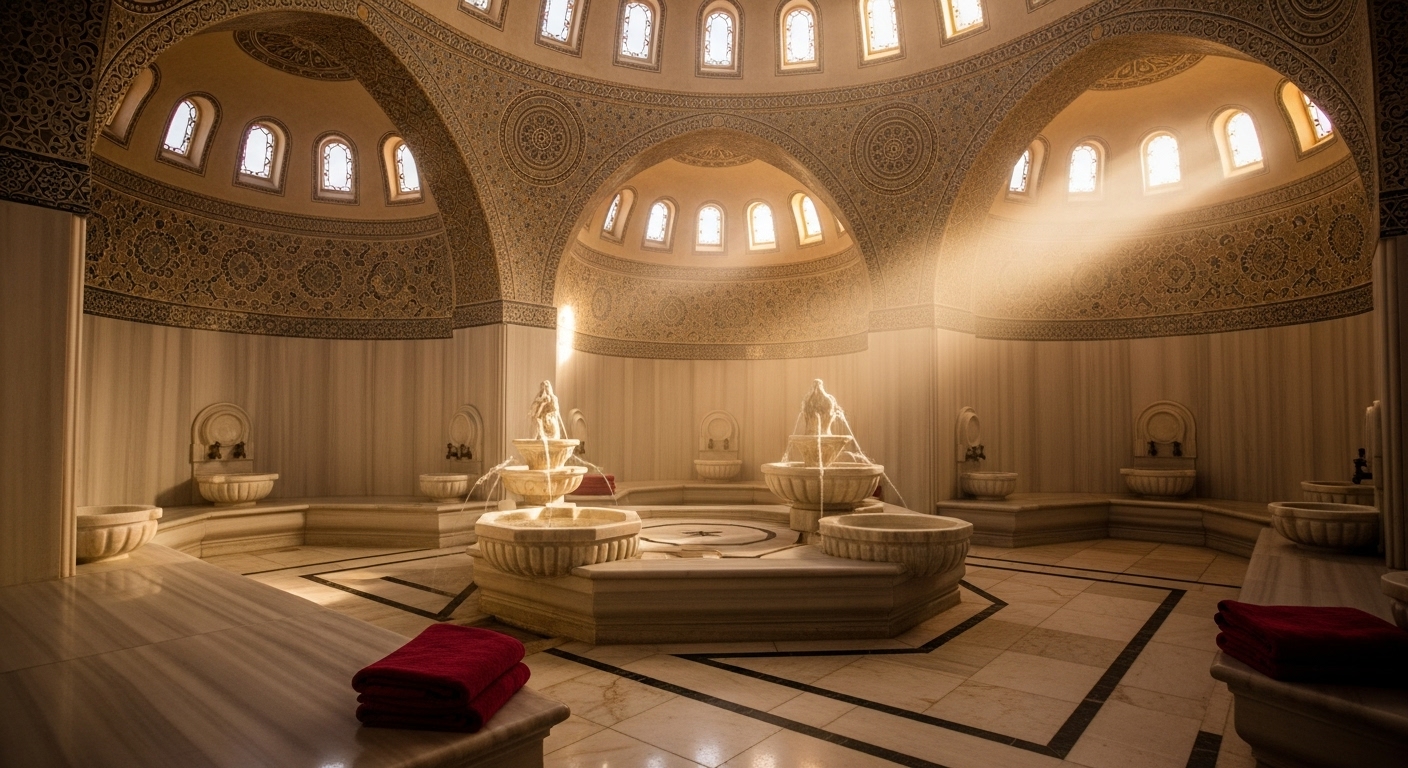
There’s something incredibly timeless about stepping into a public bathhouse that has existed for centuries. The idea of communal bathing might sound foreign to some of us today, but in many parts of the world, it’s still a cherished cultural ritual. From Japan’s steamy onsen to Turkey’s grand hamams, and from Budapest’s mineral-rich spas to Morocco’s rustic hammams, public bathhouses aren’t just about getting clean—they’re about connection, healing, and tradition.
In this guide, we’ll explore Cities With Historical Public Bathhouses Still in Use—places where history meets relaxation and where soaking in warm water feels like stepping back in time. Ready to dive in? Let’s begin our global journey into the world of timeless bathhouse culture.
The Universal Language of the Bath
Before we travel to specific destinations, it’s worth asking—why do so many cultures have bathhouses? What is it about shared water that connects people across continents and centuries?
Throughout history, communal baths were never just about hygiene. They were about health, spirituality, and even social life. In ancient Rome, bathhouses were hubs of politics and philosophy. In Japan, the onsen experience is intertwined with mindfulness and respect for nature. Meanwhile, in Middle Eastern societies, hammams symbolize purity and renewal.
Each bathhouse tells a story—not just of architecture or water, but of people. The centuries may have passed, yet these traditions endure, inviting travelers to slow down and immerse themselves—literally—in living history.
Budapest, Hungary – The “City of Spas”
Budapest is often the first place that comes to mind when discussing Cities With Historical Public Bathhouses Still in Use. Known as the “City of Spas,” Budapest sits on a network of thermal springs that have been drawing bathers since Roman times. The city boasts dozens of public baths, each with its own personality and history.
The most iconic of them all? The Széchenyi Thermal Bath. Built in 1913, it’s one of Europe’s largest medicinal bath complexes. Picture this: steamy outdoor pools framed by neo-baroque architecture, locals playing chess while half-submerged in warm mineral water, and the air filled with a comforting mix of steam and laughter. That’s the magic of Budapest.

Don’t miss the Gellért Baths, too—an Art Nouveau masterpiece that makes you feel like you’re bathing in a cathedral. Both spots are perfect examples of how Hungary blends wellness, beauty, and history in one unforgettable experience.
Istanbul, Turkey – A Journey Through the Ottoman Hammams
For centuries, the Turkish hammam has been both a spiritual and social ritual. In Istanbul, you’ll find some of the world’s oldest and most beautiful bathhouses still operating today. Stepping into one feels like entering a marble palace—a warm, steamy sanctuary where ancient traditions of purification and hospitality live on.
The Çemberlitaş Hamamı, built in 1584 by the legendary architect Sinan, remains a masterpiece of Ottoman design. With its domed ceilings, marble platforms, and centuries-old rituals, it’s a sensory journey back to another era. Another must-visit is the Cağaloğlu Hamamı, established in 1741 and beloved by travelers worldwide—including historical figures and Hollywood stars alike.
Each session involves a unique rhythm: steam, scrub, rinse, and relaxation. Whether you’re a first-time visitor or a seasoned traveler, Istanbul’s hammams remind us that wellness can be deeply cultural—and profoundly human.
Kyoto, Japan – The Art of Onsen and Sento
Japan’s bathing culture is an art form—rooted in purity, respect, and mindfulness. In Kyoto, you’ll find countless sento (public bathhouses) and onsen (hot spring baths) where traditions have thrived for centuries. These aren’t just for tourists; they’re a way of life for locals who visit daily after work or during the changing seasons.
Unlike Western spas, Japanese bathhouses have strict etiquette: wash before entering the communal pools, keep quiet, and embrace the simplicity of the moment. The Funaoka Onsen, established in 1923, is one of Kyoto’s oldest and most beloved sento. Its wooden interiors, intricate carvings, and peaceful atmosphere transport visitors back to the Taisho era.

Another gem is the Tenzan-no-Yu, a more modern yet traditional hot spring experience just outside the city. Whether surrounded by cherry blossoms in spring or snow in winter, soaking in an onsen feels like meditation in motion.
Marrakech, Morocco – The Hammams of the Medina
In the heart of Marrakech’s labyrinthine streets, behind ornate wooden doors, lie ancient hammams that have been at the center of Moroccan life for generations. These steamy sanctuaries are where locals come to cleanse body and soul, often before important celebrations or weekly prayers.
The Hammam Mouassine, dating back to the 16th century, is one of the oldest still in operation. Visiting it offers an authentic glimpse into Moroccan traditions of wellness. Expect thick clouds of steam, black soap made from olives, and invigorating scrubs with kessa gloves. You’ll leave not just refreshed but reborn.
Many riads and boutique hotels in Marrakech now offer private hammam experiences, blending traditional rituals with modern luxury. But nothing quite matches the raw, authentic charm of the city’s public hammams—where time slows, and every drop of water tells a story.
Reykjavík, Iceland – Soaking in Geothermal Bliss
In Reykjavík, public bathing isn’t just a pastime—it’s a national identity. Icelanders have been harnessing geothermal energy for centuries, creating warm oases amid their rugged, volcanic landscapes. The result? Some of the most extraordinary public baths on Earth.
The Blue Lagoon may be the most famous, but locals often prefer smaller, historical pools like Sundhöllin. Built in 1937, it’s Reykjavík’s oldest public bathhouse and a true community hub. The combination of clean design, warm water, and friendly conversation captures the Icelandic concept of “heita pottur”—the idea that soaking together brings people closer.
Here, the connection between nature and culture is seamless. As snowflakes fall or northern lights shimmer overhead, you realize that bathing, in its simplest form, is a celebration of being alive.
Rome, Italy – The Legacy of Ancient Thermal Baths
No exploration of Cities With Historical Public Bathhouses Still in Use would be complete without Rome. The ancient Romans perfected the art of communal bathing, and their influence can still be felt across Europe and beyond. While the massive ruins of the Baths of Caracalla and Diocletian remind us of a golden age long gone, Italy continues the tradition in modern spas built upon ancient springs.
In the nearby town of Tivoli, the Terme di Roma Acque Albule offers visitors a chance to soak in mineral waters once favored by emperors. The sulfuric scent might take some getting used to, but locals swear by its healing properties. The atmosphere blends ancient grandeur with modern comfort—a testament to Rome’s ability to keep history alive.
Seoul, South Korea – The World of Jjimjilbangs
Modern yet deeply traditional, South Korea’s jjimjilbangs (public bathhouses) are more than places to relax—they’re mini-cities of wellness. Open 24/7 and featuring saunas, pools, sleeping rooms, and cafes, these facilities are a key part of Korean culture.
Seoul’s Dragon Hill Spa and Siloam Sauna are among the most famous, attracting both locals and visitors alike. But what truly makes jjimjilbangs special is their community spirit. Families visit together, friends gather for late-night conversations, and strangers share quiet moments of peace in the warm mist.
Here, bathing becomes social harmony—a space where everyone is equal, wrapped only in towels and tranquility.
Lisbon, Portugal – Rediscovering Moorish Baths
In Lisbon, history flows through every cobblestone street and ancient bathhouse. The city’s Banhos de São Paulo and recently restored Moorish-inspired spas evoke the days when the Moors ruled the Iberian Peninsula. While few original hammams remain intact, their legacy lives on in Portugal’s evolving spa culture.
Modern wellness centers have embraced traditional techniques like steam therapy and aromatherapy, giving new life to centuries-old customs. A visit to Lisbon’s historical bathhouses isn’t just relaxing—it’s a journey into a forgotten chapter of Mediterranean history.
Why Bathhouse Culture Still Matters Today
In a world where everything feels fast-paced and digital, historical bathhouses remind us to slow down. They invite us to disconnect from our devices and reconnect with ourselves—and each other. Whether it’s the serenity of Kyoto’s onsen or the grandeur of Istanbul’s hammams, these spaces embody something rare in modern life: shared stillness.
They also teach us cultural humility. Visiting a bathhouse abroad means learning new customs, respecting local etiquette, and embracing traditions different from our own. And isn’t that what travel is truly about?
From the Roman Empire to modern Iceland, the tradition of public bathing endures as a celebration of community and well-being. These Cities With Historical Public Bathhouses Still in Use offer more than just a dip in warm water—they offer a living connection to the past. So, next time you travel, why not trade your hotel shower for a centuries-old bathhouse? You might just find that the best souvenirs are experiences that stay with you long after you’ve dried off.
Have you ever visited a traditional bathhouse during your travels? Which one was your favorite? Share your experiences and thoughts in the comments below—we’d love to hear your story! Don’t forget to follow us on our social media channels for more unique travel stories, cultural guides, and hidden gems from around the world.
Catch up on the top stories and travel deals by subscribing to our newsletter!