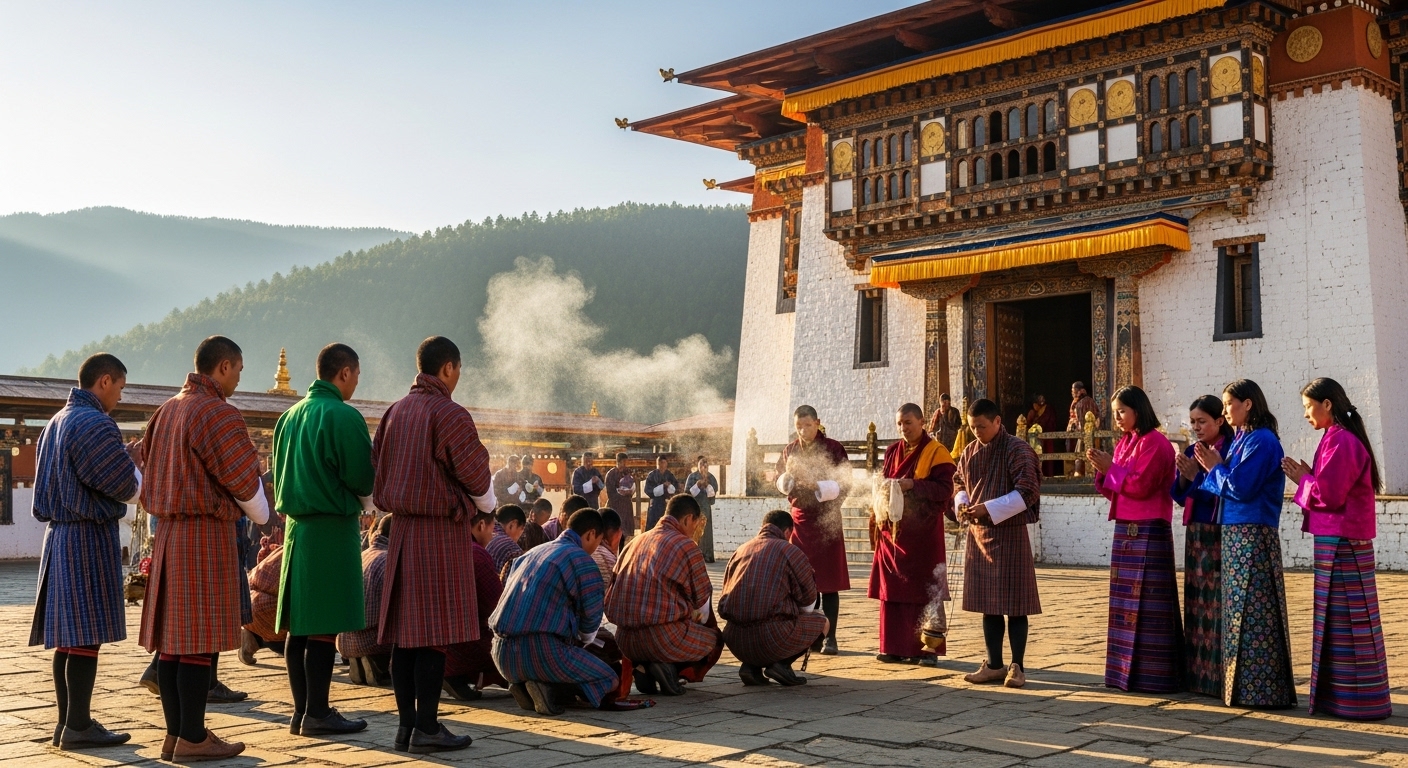
In a world where fast fashion dominates and global trends spread overnight, it’s refreshing to find places where traditional clothing is not just worn for festivals or photos — but is part of everyday life. These outfits carry history, pride, and a deep sense of identity. So, what’s it like to visit a country where traditional clothing is still a living, breathing part of culture? Let’s take a journey across continents and discover some amazing countries where tradition meets modern life, beautifully.
Have you ever wondered what it feels like to walk through a market where everyone is wearing something deeply rooted in their heritage? Or how it feels to blend into a culture that values its attire as much as its language or food? Traditional clothing isn’t just fabric — it’s storytelling woven into every thread. Read more on Countries where traditional clothing is still worn daily.
Japan — The Grace of the Kimono and Yukata
In Japan, traditional clothing like the kimono and yukata still hold an important place. While they may not be worn daily by everyone, you’ll find many Japanese people, especially the elderly and those in traditional professions, wearing them as part of their lifestyle. From Kyoto’s quiet temples to Tokyo’s cultural districts, the sight of a kimono evokes elegance, discipline, and respect for history.
In smaller towns, people still wear yukatas during summer festivals and in daily life around onsen (hot springs). These garments symbolize the balance Japan maintains between modern innovation and ancient tradition — a balance the world deeply admires.
India — The Everyday Saree and Kurta Culture
Few countries celebrate color, fabric, and texture like India. The saree isn’t just a festive outfit here; for millions of women, it’s what they wear to work, to markets, and even at home. Similarly, men often wear kurtas and dhotis — especially in rural areas and smaller cities. Each region brings its own unique weaving style, embroidery, and draping technique.
Whether it’s the handloom cotton sarees of Bengal, the silk sarees of Tamil Nadu, or the mirror-work kurtas of Rajasthan, India’s traditional clothing speaks of craftsmanship passed down through generations. If you visit, you’ll likely find yourself mesmerized by how naturally people mix heritage and comfort in their daily attire.

Bhutan — The Kingdom Where Tradition Is a Way of Life
Bhutan might just be the most remarkable example of a country where traditional clothing is still worn daily — not out of obligation, but out of pride. The Bhutanese national dress code requires men to wear the gho and women to wear the kira in public places. These beautifully woven garments are not only official attire but also a powerful symbol of unity and identity.
Bhutan’s people see their clothing as part of their Gross National Happiness philosophy — a reflection of simplicity, tradition, and sustainability. It’s a breathtaking reminder that progress doesn’t always mean abandoning culture.
Vietnam — The Timeless Elegance of the Áo Dài
In Vietnam, the áo dài — a long, flowing tunic worn over pants — remains a graceful part of daily life. Worn by both men and women (though more commonly by women today), it’s the epitome of Vietnamese beauty and modesty. Teachers, office workers, and even students wear it regularly, especially during national celebrations and formal days at school.
There’s something truly poetic about how this garment moves — a combination of pride, posture, and purpose. When you see rows of students in white áo dài uniforms walking to class, you’ll instantly feel the connection between clothing and culture.
Scotland — Kilts That Tell Stories
Yes, kilts are not just for bagpipers or weddings! In many parts of Scotland, especially in the Highlands, traditional clothing like the kilt is still worn for both daily and ceremonial occasions. Each kilt’s tartan pattern represents a clan, carrying centuries of lineage and identity within its stripes.
While younger generations might save kilts for special events, there’s a growing pride in reclaiming traditional dress as part of modern Scottish fashion. Seeing someone confidently wear a kilt on a weekday reminds you how heritage can be both timeless and trendy.
Mexico — The Vibrant Threads of Tradition
From Oaxaca to Chiapas, many communities in Mexico proudly wear traditional clothing daily. The women’s embroidered blouses, known as huipiles, and colorful skirts tell stories of ancestry, faith, and artistry. Each design, pattern, and color combination often identifies the wearer’s village or community.
Even in urban areas, there’s a visible appreciation for traditional attire — not as something old-fashioned, but as an expression of authenticity. Mexico beautifully showcases how modern life can embrace indigenous identity without compromise.
Nigeria — The Proud and Colorful Native Attire
In Nigeria, fashion and tradition are inseparable. From the Yoruba agbada to the Igbo isiagu and Hausa babban riga, these traditional outfits are worn not just on special occasions but also in everyday life. They symbolize respect, confidence, and a connection to ancestral roots.
What’s more fascinating is how Nigerians have managed to infuse modern design into these traditional forms. Whether it’s in Lagos or Kano, you’ll see young people confidently wearing native attire to work, to meetings, or even for casual outings — redefining what “fashion-forward” really means.
Morocco — The Everyday Djellaba
In Morocco, the djellaba is a daily sight — a long, loose-fitting robe with a pointed hood. Both men and women wear it across the country, often with traditional slippers called babouches. It’s practical for the weather, modest, and stylishly timeless.

Walking through the medinas of Fez or Marrakesh, you’ll see countless people moving gracefully in djellabas — a sight that feels like stepping into a living museum of tradition and elegance.
Why Traditional Clothing Still Matters Today
In a world obsessed with speed and standardization, traditional clothing brings us back to roots, craftsmanship, and meaning. It connects generations, tells personal and collective stories, and reminds us of cultural diversity. When you visit a place where traditional attire is part of daily life, you experience culture with your eyes, not just your ears. So, Countries where traditional clothing is still worn daily.
Next time you travel, look around — what are people wearing? Ask them about it. You’ll be surprised how a simple conversation about clothing can lead to deeper understanding and connection.
Now it’s your turn — have you ever visited a country where traditional clothing is still part of everyday life? Or maybe you live in one! Share your experiences in the comments — we’d love to hear your stories. And don’t forget to follow us on our social media platforms for more global travel insights and cultural journeys!
Catch up on the top stories and travel deals by subscribing to our newsletter!