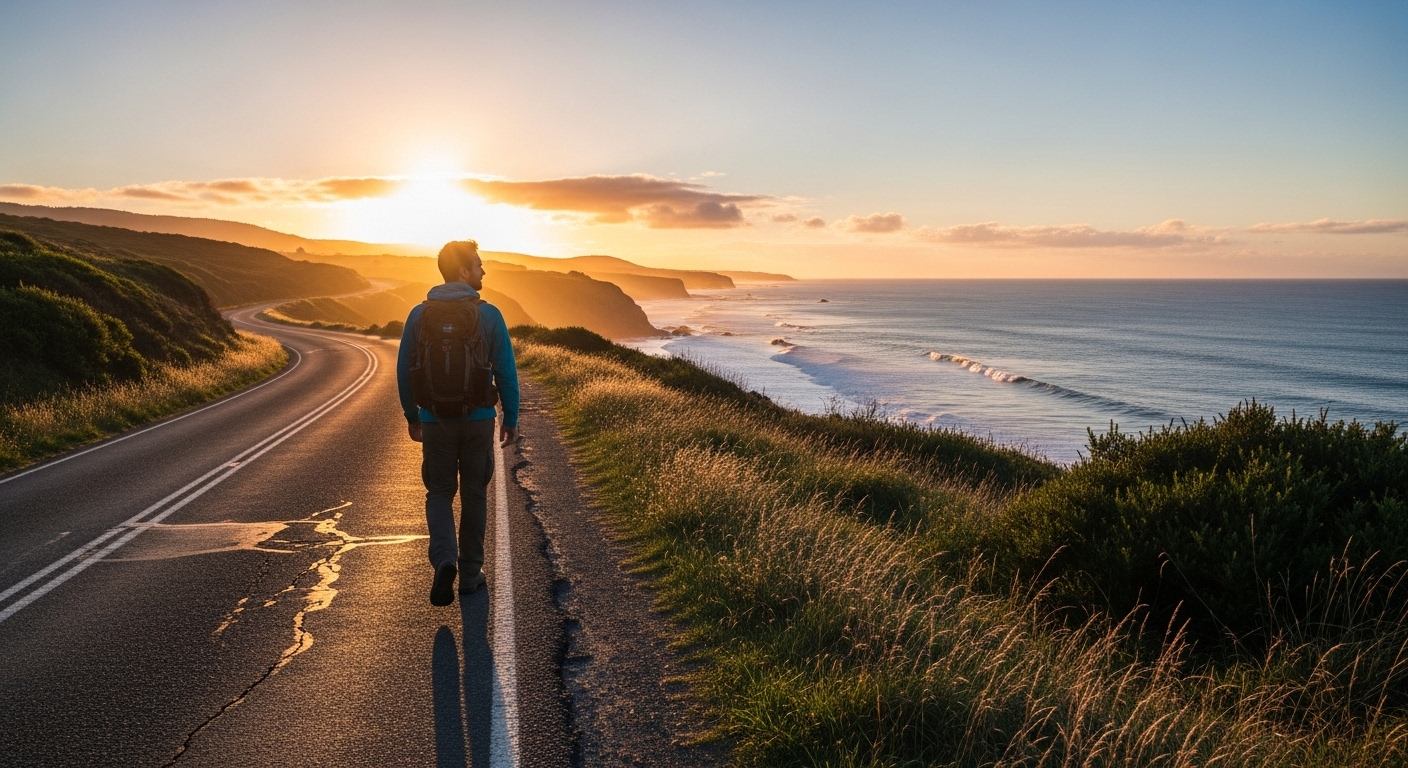
Have you ever met someone who says, “I’ll just figure it out when I get there”? No hotel booked, no map marked, no checklist in hand — just an open heart and a backpack full of curiosity. At first, it sounds risky, even a little reckless. But for a growing number of travelers, skipping the itinerary isn’t a mistake — it’s a conscious choice. So why do some people prefer to travel without itineraries? Let’s unpack this fascinating travel philosophy and see why spontaneity might be the most rewarding way to explore the world.
Picture this: You arrive in a new city. No alarms, no scheduled tours, no must-see list. You walk down an unfamiliar street, follow the smell of food from a small café, and find yourself in a place that isn’t in any guidebook. That’s the magic of traveling without a plan — it’s unpredictable, unfiltered, and deeply personal.
The Appeal of Traveling Without an Itinerary
For many, travel is about control — knowing where you’ll stay, what you’ll see, and how much it’ll cost. But for others, it’s about freedom. The idea of traveling without itineraries gives them permission to wander, to follow instincts instead of schedules. It’s about letting the journey unfold naturally, without forcing it into a box of expectations.
Without a set itinerary, every day becomes a blank page. You could wake up in one city and end your day in another. You might meet someone who invites you to a local festival or find yourself staying an extra night because a sunset was too good to leave behind. There’s no rush, no rules — just experiences waiting to happen.
Escaping the Pressure of “Perfect Travel”
Social media has turned travel into a performance. Perfect photos, timed itineraries, bucket lists — everything seems planned down to the minute. But in trying to capture the perfect trip, many travelers miss the joy of being present. Traveling without itineraries removes that pressure. It allows you to experience destinations as they are, not just as they appear online.
When you don’t have an itinerary, you stop comparing your trip to anyone else’s. You stop chasing landmarks and start noticing small details — a friendly smile, the sound of rain on unfamiliar rooftops, the taste of street food made just for you. These are the moments that rarely make it to Instagram but stay in your memory forever.

Freedom to Change Course Anytime
How often have you been on a trip and wished you could stay longer in one place — or leave another sooner? With a fixed itinerary, you’re bound by reservations, tickets, and timelines. But when you travel without itineraries, you can follow your intuition. Love the atmosphere of a small coastal village? Stay a few more days. Found out about a festival two towns away? Pack up and go!
This kind of flexibility often leads to the best adventures. Many seasoned travelers say their most memorable experiences came from last-minute decisions — taking a wrong turn, talking to a stranger, or choosing to explore instead of sticking to a plan.
Building Deeper Connections
One of the biggest advantages of traveling without itineraries is how it opens doors to real human connections. When you’re not racing from one attraction to another, you have time to engage with locals. You can sit at a café and strike up a conversation, accept an invitation to a family dinner, or learn a local craft just because you were curious.
These spontaneous interactions often lead to the most genuine cultural exchanges. Locals appreciate when travelers show interest in their everyday lives, not just the tourist highlights. Without a rigid schedule, you’re free to dive into the real rhythm of the place — to live, not just visit.
Rediscovering Yourself on the Road
There’s something incredibly freeing about not knowing what comes next. Traveling without itineraries forces you to rely on your instincts, make quick decisions, and adapt to whatever comes your way. It can be uncomfortable at times — but that’s where growth happens.
Without the structure of a plan, you discover parts of yourself that only uncertainty can reveal. You learn to trust your intuition, handle surprises, and appreciate the present moment. Some travelers even describe it as therapeutic — a form of mindfulness in motion.

Financial Freedom and Simplicity
Surprisingly, traveling without itineraries can also be budget-friendly. When you’re not tied to specific dates or expensive reservations, you can take advantage of spontaneous deals — cheaper hostels, last-minute train tickets, or affordable local eateries.
Of course, it requires flexibility and a willingness to adapt, but it also frees you from the stress of over-planning expenses. Instead of obsessing over a spreadsheet, you learn to live simply and spend where it truly matters — experiences, not logistics.
Embracing the Unknown
One of the most powerful reasons people choose to travel without itineraries is the thrill of the unknown. Every day is a mystery, a blank slate filled with endless possibilities. You don’t know who you’ll meet, what you’ll see, or where you’ll end up — and that unpredictability makes every moment feel alive.
Life itself is unpredictable, so why shouldn’t travel reflect that? The beauty of this style is that you’re constantly reminded that the best moments can’t always be planned. They just happen — when you least expect them.
Tips for Traveling Without an Itinerary
Now, traveling without itineraries doesn’t mean being careless. It’s about freedom with mindfulness. Here are some practical tips if you’re thinking of giving it a try:
- Start with a loose direction: Pick a country or region — not an hour-by-hour plan.
- Stay flexible with accommodations: Book your first night, then decide as you go.
- Travel light: A small backpack will keep you agile and ready for changes.
- Rely on locals: Ask for recommendations — they know the hidden gems better than any blog.
- Embrace uncertainty: Not every day will go perfectly, but that’s part of the adventure.
Stories from the Road — When No Plan Becomes the Best Plan
Many travelers have stories that began with “I didn’t plan this…” and ended with “It was the best thing that ever happened.” Maybe it’s stumbling upon a village festival, finding a hidden waterfall, or making friends who become family. These stories exist because they weren’t planned — they were lived.
Ask any spontaneous traveler, and they’ll tell you that when you let go of control, you make space for magic. The road gives back in unexpected ways — sometimes messy, sometimes miraculous, but always memorable.
Would You Dare to Travel Without a Plan?
So, what about you? Would you ever dare to travel without itineraries? Could you step off the plane with no checklist, no bookings, and no expectations — just curiosity? Maybe you’ve already tried it! If so, what did you discover about the world and yourself along the way?
Share your stories in the comments — we’d love to hear your take on this adventurous way to travel! And if you’re inspired to explore more authentic travel experiences, follow us on our social media platforms for more insights, stories, and global adventures.
Catch up on the top stories and travel deals by subscribing to our newsletter!