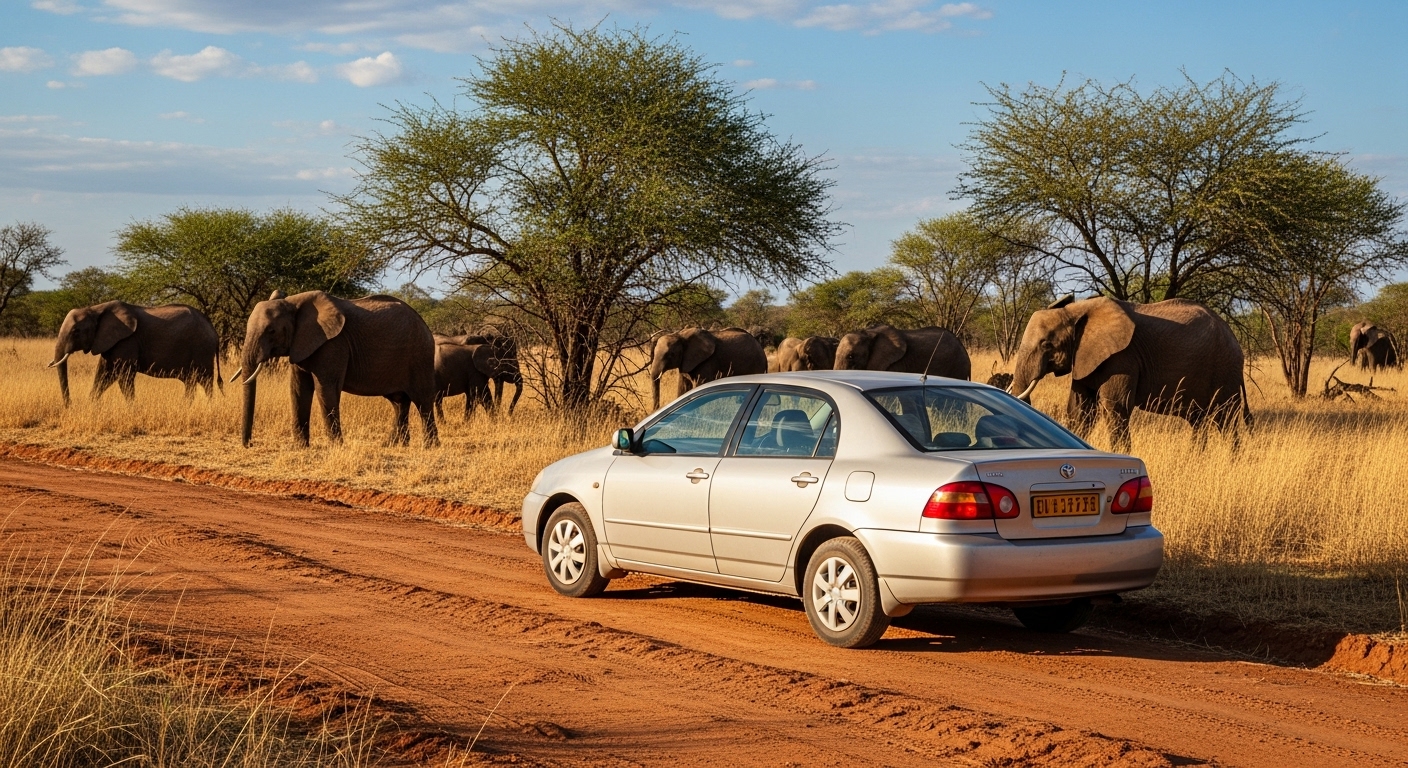
Dreaming of the wild—zebras crossing the road, elephants grazing under acacia trees, and lions lounging in the distance—but not so keen on the stress of driving a massive 4×4 through deep mud or rocky terrain? You’re not alone. Many travelers crave the freedom and flexibility of self-drive safaris but worry they’ll get stuck in the middle of nowhere. The truth is, there are plenty of destinations where it’s not only possible—but surprisingly easy—to go on a safari adventure without needing off-road superpowers.
Today, let’s bust the myth that safaris require serious mechanical skills or heavy-duty vehicles. Whether you’re a first-timer behind the wheel in the wild or someone who just prefers paved routes and peace of mind, this guide will show you the best places to enjoy self-drive safaris without any 4×4 drama. Ready to roll?
Why Choose a Self-Drive Safari in the First Place?
There’s something magical about being your own guide in the great outdoors. When you opt for a self-drive safari, you’re not on anyone else’s timetable. You decide when to linger at a watering hole, when to stop for lunch, or when to take a detour for that sunset photo. It’s the kind of independence that makes your trip feel personal and unfiltered.
Unlike guided tours, you don’t share the experience with strangers or follow someone else’s rules. It’s just you, your travel companions, and the rhythm of the wild. Plus, many national parks now have clear, well-maintained roads and reliable maps, making it easier than ever to explore at your own pace.
And let’s be honest—there’s a certain thrill in seeing a giraffe cross right in front of your rental sedan. Who says adventure requires heavy equipment?
Misconceptions About Self-Drive Safaris
Before diving into the best destinations, let’s tackle a few common fears that stop travelers from trying a self-drive safari:
- “I’ll get stuck!” – Many parks have tarred or gravel roads that are accessible even with small cars.
- “I’ll get lost!” – GPS and park signage have improved dramatically. In most parks, it’s hard to lose your way.
- “It’s unsafe!” – As long as you follow park rules (like staying inside your car), safaris are very safe experiences.
- “I need to know about engines!” – Nope. You just need a valid driver’s license and a sense of curiosity.
Top Destinations for Easy Self-Drive Safaris
Let’s explore some of the best places in the world to go on a self-drive safari—no rugged 4×4 required.
1. Kruger National Park, South Africa
Kruger is the holy grail of accessible safaris. With its wide network of well-maintained roads, abundant wildlife, and excellent visitor infrastructure, this is where many travelers fall in love with self-drive adventures. You can easily enter the park with a standard car, follow paved routes, and spot the Big Five without breaking a sweat (or your rental contract).
The park even has rest camps with restaurants, fuel stations, and shops—so you’re never too far from comfort. Want to know the best part? You can plan your route in advance using official maps, stay at different camps, and still feel like a seasoned explorer.

2. Etosha National Park, Namibia
If you’re after stunning scenery and easy wildlife spotting, Etosha is a dream come true. The park’s salt pan creates a natural stage where animals gather, making them easy to see even from the main roads. The terrain is flat, the routes are clear, and you’ll find plenty of lodges and rest areas along the way.
Even during the rainy season, Etosha’s gravel roads remain manageable for regular vehicles. You don’t need a 4×4—just patience, a camera, and a sense of wonder. Keep your eyes peeled for elephants, lions, and even rhinos crossing right in front of your car.
3. Addo Elephant National Park, South Africa
If Kruger feels too big, Addo is a smaller, more intimate park where spotting elephants is almost guaranteed. The roads are well-paved, the layout is easy to navigate, and the wildlife density is impressive. You’ll see warthogs, zebras, and dozens of bird species up close. Plus, the park is just a short drive from Port Elizabeth, making it a perfect weekend safari stop.
4. Hwange National Park, Zimbabwe
Hwange has long been a favorite among locals for its accessibility and beautiful landscapes. While a 4×4 might be handy for deeper areas, much of the park’s main route is perfectly doable in a regular car. It’s less crowded than other parks, giving you that authentic, wild feeling without the stress.
Just make sure to check with park rangers before heading out—some areas might have sandier patches, especially after rain. But don’t worry, the main viewing roads are kept in great condition for visitors.
5. Pilanesberg National Park, South Africa
Located just a few hours from Johannesburg, Pilanesberg is the ideal self-drive safari for those short on time. The park’s tarred and gravel roads loop around volcanic hills and lakes where animals gather throughout the day. You’ll have a great chance of seeing lions, rhinos, and hippos—all without needing a 4×4 or a guide.
Bonus: the park is malaria-free, making it a stress-free choice for families with kids.
6. Chobe National Park, Botswana (Northern Section)
While parts of Chobe are sandy and remote, the section near Kasane offers a smoother experience for regular vehicles. It’s an incredible opportunity to see elephants by the hundreds along the Chobe River. You can even combine your drive with a boat cruise for double the wildlife experience.

7. Tarangire National Park, Tanzania
Tarangire’s compact size and manageable roads make it an excellent introduction to self-drive safaris. During the dry season, animals gather at the Tarangire River, making for easy spotting and great photography. Roads are generally fine for small cars, though it’s always smart to check local conditions before heading out.
8. Kgalagadi Transfrontier Park, South Africa/Botswana
This semi-desert park may sound intimidating, but its main roads are surprisingly friendly for 2WD vehicles, especially on the South African side. The red dunes, gemsbok herds, and open skies create an otherworldly atmosphere. It’s quieter and wilder than most parks—perfect for travelers seeking solitude without technical driving challenges.
How to Prepare for a Self-Drive Safari
Even though these parks are easy to navigate, a little preparation goes a long way. Here’s what you’ll need to keep your adventure smooth and stress-free:
- Choose the right vehicle: A compact SUV or sedan with good clearance is usually enough.
- Bring plenty of water and snacks: You’ll often be hours away from shops or rest stops.
- Carry a paper map: GPS is great, but cell signals can be patchy in remote areas.
- Start early: Wildlife is most active in the morning and late afternoon.
- Respect park rules: Stay in your vehicle, don’t feed animals, and keep noise to a minimum.
When to Go on a Self-Drive Safari
Timing can make or break your safari. The dry season (generally May to October in Southern Africa) is the best time for self-drive safaris because vegetation is sparse and animals gather near water sources. Roads are also in better condition and easier for regular cars to handle.
If you go during the wet season, expect lush landscapes and fewer crowds—but be sure to check road conditions and weather updates daily.
Costs and Park Fees
Self-drive safaris can be incredibly budget-friendly. Entrance fees vary by park, but generally range from $10 to $40 per person per day. Vehicle fees are minimal, and you save big by not hiring a private guide. Most parks also have budget lodges and campsites within or just outside the gates.
Why You Don’t Need a 4×4 for a Great Safari
Let’s face it—4×4 vehicles can be expensive to rent, and for most parks, they’re simply not necessary. The key is choosing parks with good infrastructure and knowing your limits. Stick to main roads, avoid deep mud, and don’t drive at night. The thrill of spotting wildlife doesn’t depend on your car type—it’s about patience and presence.
Plus, some travelers find that smaller cars are quieter and less intimidating to animals. You might even get closer encounters when driving a compact vehicle.
Responsible Safari Driving
It’s not just about ease—it’s about respect. Always maintain a safe distance from animals, and never block their paths. Avoid idling engines near wildlife, and stick to marked roads. Responsible driving ensures both your safety and the protection of the environment that makes self-drive safaris so special.
So, now that you know there are incredible self-drive safaris that don’t require off-road skills, what’s stopping you? Whether you’re exploring Kruger’s paved loops, Etosha’s salt plains, or Addo’s elephant trails, the open road is calling. And the best part? You’ll have the freedom to stop when you want, stay as long as you like, and write your own adventure story.
Would you consider going on a self-drive safari? Which destination from this list would you choose for your first one? Let us know in the comments below—we’d love to hear your thoughts and experiences! And before you go, make sure to follow WentWorld on social media for more travel guides, hidden gems, and real-world advice for explorers like you. Safe travels and happy spotting!
Catch up on the top stories and travel deals by subscribing to our newsletter!