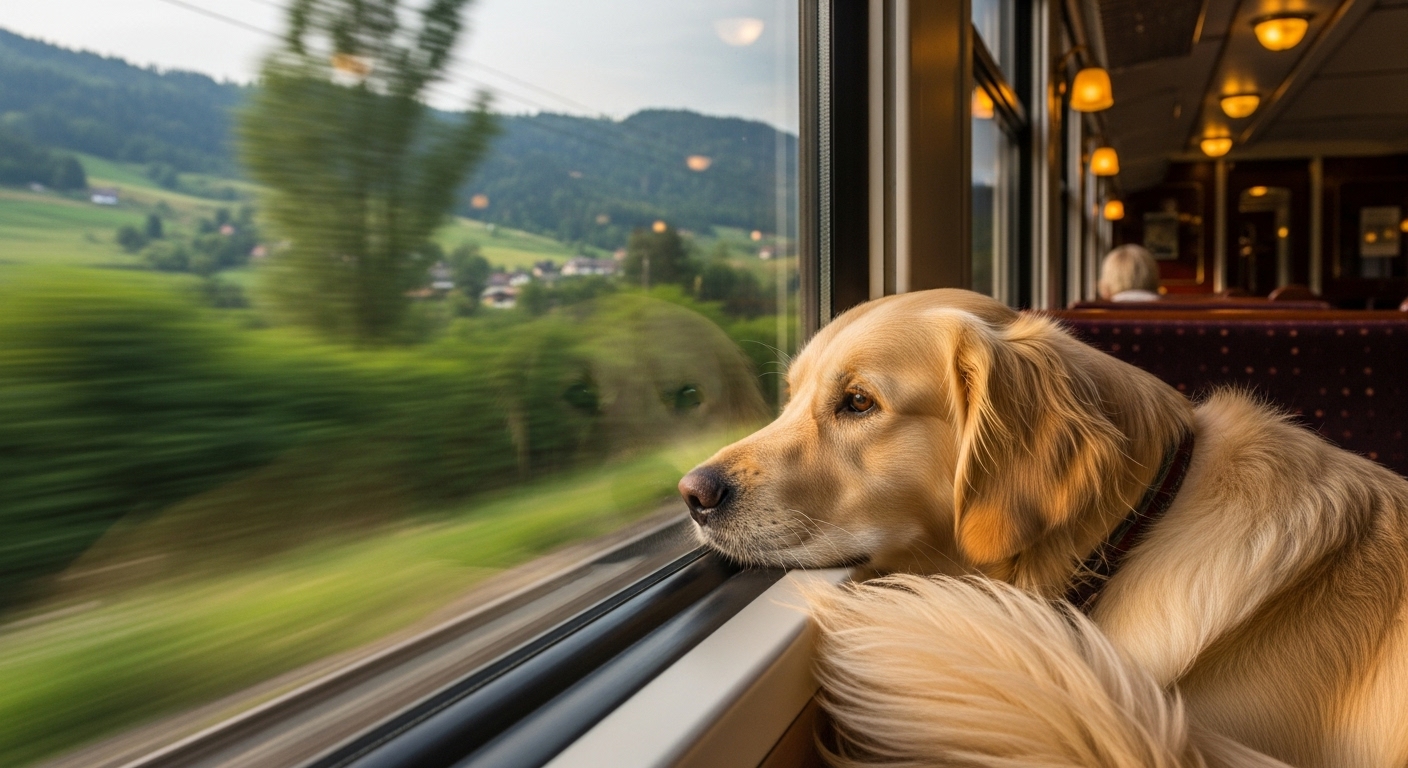
Traveling through Europe by train is already one of the most relaxing, scenic, and eco-friendly ways to explore the continent. But when you add your furry friend to the mix, the journey becomes even more special. Whether you’re taking your dog on a Swiss mountain route or your cat on a scenic ride through France’s vineyards, pet-friendly rail journeys in Europe are more possible—and more delightful—than many travelers realize.
But here’s the catch: not every train company has the same rules, not every pet enjoys long travel hours, and the last thing you want is an unexpected fee or a stressed-out animal mid-journey. So, before you hop aboard, it’s worth learning the ins and outs of traveling Europe’s railways with your pet by your side. Let’s dive in!
Why Choose Train Travel With Pets?
For starters, trains are a far more comfortable option for pets than airplanes or buses. There’s no cramped cargo hold, no temperature worries, and no long check-in lines. Most European rail systems welcome small pets in carriers—and even larger ones, as long as you follow the rules. It’s no wonder more people are planning pet-friendly rail journeys in Europe than ever before.
Beyond convenience, train travel gives your pet freedom to relax by your side, enjoy the scenery, and avoid the anxiety of being separated. Plus, it’s greener—both in terms of emissions and the experience. You’re not only reducing your carbon footprint but also exposing your pet to fresh air and nature along the way.
Top European Rail Operators That Welcome Pets
Europe is vast and varied, and so are its train systems. Some countries have open, pet-loving policies, while others enforce stricter guidelines. Here’s what to expect across major operators:
1. Eurostar (UK–France–Belgium–Netherlands)
Unfortunately, Eurostar does not currently allow pets on board (except for assistance animals). However, alternative routes exist through ferries or local trains that connect with continental Europe. So if your trip includes the UK, plan around this one restriction.
2. SNCF (France)
France’s national rail company is among the most pet-friendly in Europe. Small pets under 6kg can travel in carriers (max size 45x30x25 cm) for around €7. Larger dogs can accompany you for 50% of a second-class ticket. Just remember to keep your dog leashed and muzzled when outside the carrier.
3. Trenitalia (Italy)
Italy’s warm attitude extends to its pets. On regional and long-distance trains, small pets in carriers go free, while larger dogs cost €5–10 depending on distance. Trenitalia even allows dogs on high-speed Frecciarossa trains, though they must have valid documents and be leashed and muzzled.
4. Deutsche Bahn (Germany)
Germany is famous for efficiency—and its pet policy is no exception. Small pets (in carriers under 45x30x25 cm) travel free. Larger dogs require a half-price second-class ticket. And here’s a bonus: dogs aren’t confined to special compartments—they can sit beside you, as long as they behave!
5. Renfe (Spain)
In Spain, small pets under 10kg are welcome for a flat fee (usually around €10–€20). Larger pets aren’t typically permitted on long-distance AVE trains, but regional and commuter lines are more flexible. Spain also recently upgraded its animal transport regulations to make travel more humane—so check the latest updates before you go.
6. ÖBB (Austria)
Austria’s ÖBB allows small pets in carriers for free and larger dogs for half the price of a second-class ticket. As with most countries, leashes and muzzles are required. The great thing about Austria? Dogs are welcome on most public transport too, making pet-friendly rail journeys in Europe seamless when crossing borders.
Cross-Border Train Travel With Pets
When planning international trips, make sure your pet’s microchip and vaccination records are up to date—especially their rabies certificate. The EU Pet Passport (or an Animal Health Certificate for non-EU travelers) is essential when moving between countries. Customs officers occasionally check documents at border crossings, even within the Schengen Zone.

Also, note that while one train line may allow pets, connecting trains might not. For example, a French SNCF train may let you board with your golden retriever, but your next high-speed link into Germany might not. Always double-check before booking multi-leg journeys.
How to Prepare Your Pet for a Long Train Ride
Let’s be honest: not every animal loves travel at first. The trick is getting them used to it gradually. Start with short train or car rides to help them adjust to the motion and sounds. Bring their favorite blanket or toy—it gives them a familiar scent and comfort.
Feed your pet lightly before departure, and walk dogs right before boarding to reduce restlessness. If your train has long stops, use that time for short walks at safe, designated areas. Most importantly, stay calm yourself—pets sense stress easily, and your calm energy helps them relax.
Pet Travel Essentials You Should Never Forget
- Water bottle and collapsible bowl
- Light snacks or kibble
- Favorite blanket or toy
- Waste bags and cleaning wipes
- Pet passport and vaccination records
- Leash, harness, and muzzle (if required)
- Carrier that meets rail dimensions
These items might sound basic, but they can make or break your trip. Imagine needing water in the middle of summer or a cleanup wipe after an accident—being prepared keeps everyone happy (including nearby passengers).
Pet Etiquette on Trains
Just like us, pets are guests on public transport. Be courteous to other travelers by keeping noise and mess to a minimum. If your dog tends to bark or get anxious, seat yourself near the door or in less crowded compartments. Never place your carrier on a seat; it should go on your lap or under your feet.
Some travelers like to use calming pheromone sprays or anxiety jackets for sensitive pets. If your animal is prone to motion sickness, consult your vet before the trip for mild medication options.
Pet Fees and Discounts
Fees vary across countries, but generally speaking, you’ll pay between €5–€25 for larger pets on long-distance routes. The good news? Many regional trains offer free travel for animals under a certain weight. Eurail and Interrail passes, however, usually don’t cover pets—you’ll still need to buy separate tickets for them. Check official websites for updates, as policies can change seasonally.
Comfort Tips for Humans and Pets
Want your trip to go smoothly? Here’s how to make it enjoyable for both of you:
- Choose seats near doors or exits for easier boarding and quick bathroom breaks.
- Bring extra padding for your pet’s carrier floor—it helps absorb shocks from train movement.
- If traveling overnight, request a compartment so your pet can rest undisturbed.
- Keep your pet hydrated, but not too much—bathroom opportunities can be limited.
- Give your pet affection during the ride—soft talking and gentle touches can ease anxiety.
Best Pet-Friendly Train Routes in Europe
1. The Bernina Express (Switzerland–Italy)
This UNESCO-listed line welcomes pets and offers spectacular mountain scenery. Stop at Alp Grüm or Poschiavo for walks through alpine meadows.
2. The Rhine Valley Line (Germany)
Dogs love the open-air viewing platforms! This scenic ride between Mainz and Koblenz features castles, vineyards, and river trails for post-journey strolls.
3. The Cinque Terre Regional Line (Italy)
Hop between colorful coastal villages with your furry travel buddy. The trains are short, and most stations have pet-friendly cafes nearby.
4. The Dutch Countryside Line (Netherlands)
NS Dutch Railways lets dogs ride for a €3 day pass. The routes to Giethoorn or Friesland are perfect for a day of walking and outdoor picnics.
5. The Swedish Lapland Route
For something truly different, board a train to Abisko or Kiruna with your dog and witness the Northern Lights together. Many cabins at your destination even offer pet amenities.
Why Europe Excels at Pet-Friendly Rail Journeys
One reason is cultural: Europeans tend to integrate pets into daily life far more than other regions. It’s common to see dogs in restaurants, shops, and even offices. This translates naturally into train policies that respect pets as part of the family.
Another reason is the design of Europe’s rail network—dense, scenic, and pedestrian-friendly. With short distances between cities, your pet avoids the fatigue of long, stressful trips.
Challenges to Expect (and How to Handle Them)
Even the best-planned trips can hit a bump. Some trains might be crowded or lack air conditioning in older carriages. If your pet gets anxious, choose early morning or late-night trains when carriages are quieter. For unexpected delays, always pack extra food and water.
Another challenge: differing rules at small stations. Sometimes local staff aren’t fully aware of pet policies. Keeping a printout or digital copy of the official pet travel guidelines from the operator’s website can help you avoid confusion.
Now that you’ve learned the ropes of pet-friendly rail journeys in Europe, does it sound like your next adventure? Imagine watching the Alps roll by while your pup snoozes beside you or your cat curls up by the window as you glide past lavender fields in Provence.
Would you take your pet across borders by train? We’d love to hear your experiences and stories—share them in the comments! And if you’ve discovered a hidden gem of a pet-friendly route, we’re all ears. Don’t forget to follow us on our social media channels for more travel tips, real-world pet stories, and insider advice for eco-friendly adventures. At WentWorld, we believe travel is even better when shared—with our pets, our friends, and the planet in mind.
Catch up on the top stories and travel deals by subscribing to our newsletter!