Imagine journeying across vast deserts or along ancient trade routes, where weary travelers once sought refuge under starlit skies. These were the days of camel caravans, merchants, and explorers who connected continents through the famous Silk Road. Their havens were the historic caravanserais—fortified inns that offered shelter, safety, and hospitality to those braving the journey. Today, some of these centuries-old structures still stand, many lovingly restored and even welcoming modern travelers for an unforgettable night’s stay.
So what’s it like to step into one of these time capsules? How does it feel to sleep where Silk Road traders once shared stories over a fire? Let’s dive into the fascinating world of historic caravanserais—their history, transformation, and where you can still experience their magic today.
The Origins of Caravanserais: Where Hospitality Met the Silk Road
Centuries ago, the world’s most important trade arteries—like the Silk Road, the Persian Royal Road, and Arabian desert routes—wound through desolate terrain. Merchants, scholars, and pilgrims needed safe resting points. Out of necessity, the first caravanserais emerged: fortified compounds built roughly one day’s journey apart, offering shelter, stables, water, and sometimes even small bazaars.
In Persian, “caravanserai” combines two words: “karavan” (a group of travelers) and “sarai” (a palace or inn). Together, they embodied hospitality—a sacred principle across Middle Eastern, Central Asian, and North African cultures. These places weren’t just rest stops; they were cultural crossroads. Within their high walls, Persians might meet Chinese silk traders, Arab poets, and Venetian merchants. You could hear a dozen languages in one night.
Why Visit a Caravanserai Today?
Visiting a historic caravanserai today is like time travel with comfort. They’re architectural wonders—stone courtyards framed by domed roofs, arches, and intricate carvings that tell stories of ancient craftsmanship. Many have been carefully restored, blending heritage with modern hospitality.
Beyond the architecture, it’s about the experience. Sitting in a stone courtyard, sipping tea as the desert breeze passes through arches, you can almost sense the echoes of the past. These spaces carry an atmosphere you simply can’t find in modern hotels. They represent endurance, connection, and the timeless human need for community—even on the road.
So, are you ready to add a little ancient history to your travel bucket list? Let’s look at some incredible historic caravanserais around the world where you can still visit—or even spend the night!
1. Zein-o-Din Caravanserai, Yazd, Iran
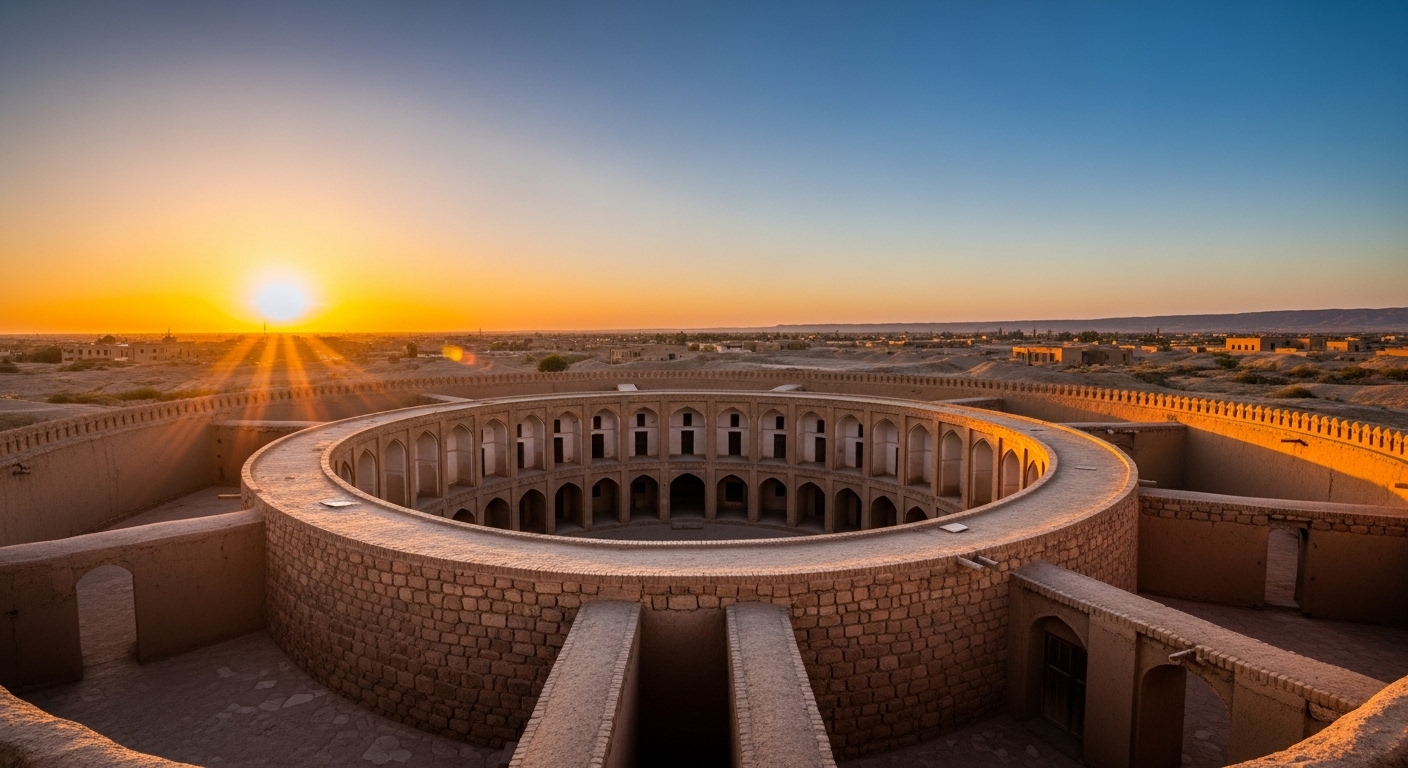
Located on the ancient Silk Road, the Zein-o-Din Caravanserai is a perfectly circular structure—an architectural rarity among its kind. Built during the reign of Shah Abbas I in the 17th century, it’s now a UNESCO-listed site transformed into an eco-lodge.
Inside, rooms are simple yet elegant, with low cushions and woven carpets creating an authentic Persian ambiance. There’s no Wi-Fi here, and that’s intentional—the goal is immersion. The rooftop is the highlight: at night, stargazing in the desert silence feels like stepping back centuries.
Would you trade your phone screen for a night under a desert sky like that?
2. Sultan Han, Aksaray, Turkey
Few historic caravanserais rival the grandeur of Sultan Han in Turkey’s Cappadocia region. Built in 1229, it’s the largest Seljuk caravanserai in the country, with a magnificent stone gateway and intricate muqarnas carvings. Back in its prime, it offered everything from a mosque to blacksmith workshops for travelers.
Today, Sultan Han isn’t a hotel but a must-see historical site. It’s been beautifully preserved and gives visitors a sense of the scale and sophistication that medieval trade demanded. Imagine the bustle of horses, merchants, and guards that once filled this enormous courtyard!
3. Khan al-Umdan, Acre, Israel
Right on the Mediterranean coast, the Khan al-Umdan—or “Caravanserai of the Pillars”—was built in the late 18th century by Ottoman rulers. The name comes from its granite columns, reused from ancient Roman ruins. Its two-story stone design once hosted merchants trading spices, coffee, and textiles from across the Levant.
Though it’s not open for overnight stays, plans are underway to restore Khan al-Umdan into a boutique hotel. Walking through its echoing arches today, you can still feel the whispers of its mercantile past blending with the salty sea air.
4. Rabat’s Fondouk el-Nejjarine, Morocco
In the heart of Fes’s medina, Morocco’s Fondouk el-Nejjarine was once a bustling caravanserai for traders selling carpentry and crafts. Today, it’s been transformed into the Nejjarine Museum of Wooden Arts & Crafts—one of the city’s most beautiful heritage museums.
The restoration is stunning: carved cedar balconies overlook the inner courtyard, where travelers once tethered their donkeys and camels. Although you can’t sleep here, you can still stand where centuries of artisans rested, bartered, and shared stories.
5. Ribat-i Sharaf, Turkmenistan
This 12th-century masterpiece along the Silk Road is one of Central Asia’s most exquisite examples of Islamic architecture. Ribat-i Sharaf’s walls are adorned with intricate brick patterns and Kufic inscriptions. Its twin courtyards once divided travelers by class—merchants in one, dignitaries in another.
Though uninhabited today, the site remains hauntingly beautiful, surrounded by vast emptiness. Visiting it gives you a glimpse of the Silk Road’s scale and spirit. Standing alone in that courtyard, it’s easy to picture the flicker of torchlight and the hum of conversation that once filled it.
Sleeping in History: Caravanserais That Welcome Guests
Some historic caravanserais have been reimagined into charming guesthouses and boutique hotels. From Iran to Uzbekistan, these stays combine cultural heritage with modern comfort. Here are a few to add to your list:
- Caravanserai Zeinoddin – Iran’s most famous eco-friendly desert inn.
- Caravanserai Hotel in Bukhara – Housed in a centuries-old building near the city’s old bazaar, this guesthouse offers traditional Uzbek hospitality.
- Caravanserai Inn, Cappadocia – A restored stone inn blending Turkish architecture with serene landscapes.
Would you spend a night in a place with no modern noise—just echoes of history?
The Cultural Rebirth of Caravanserais
In recent years, many countries have begun restoring their historic caravanserais to promote sustainable tourism. These projects not only preserve architecture but also create jobs and revive local economies. Staying in one supports heritage conservation while offering a truly unique travel story to tell.
Think about it: how often do you get to sleep in a 400-year-old building that once hosted Silk Road merchants and storytellers? These experiences bridge the gap between ancient and modern travel, connecting us to a deeper sense of journey.
Tips for Visiting Historic Caravanserais
- Respect the space: Many caravanserais are heritage sites—avoid touching delicate walls or carvings.
- Stay local: Choose guesthouses that reinvest profits into preservation.
- Ask questions: Talk to caretakers and guides; their stories bring the place to life.
- Pack light: Many are located in historic areas with narrow alleys—rolling suitcases might be tricky!
Visiting or staying in these ancient inns is about slowing down, reconnecting, and appreciating how travel itself has evolved. They remind us that while the means of travel have changed, the desire for connection hasn’t.
Historic caravanserais aren’t just architectural relics—they’re the heartbeats of ancient travel still echoing across continents. They represent generosity, cultural exchange, and endurance. Whether you visit one for a few hours or spend a night within its thick stone walls, you become part of a living story that has spanned centuries.
Have you ever visited a caravanserai or stayed in a historic inn? Would you want to experience the Silk Road spirit firsthand? Share your thoughts—we’d love to hear your travel dreams and stories! And if you enjoy exploring travel history, culture, and hidden gems like this—don’t forget to follow us on our social media platforms for more travel inspiration from around the world.
Catch up on the top stories and travel deals by subscribing to our newsletter!