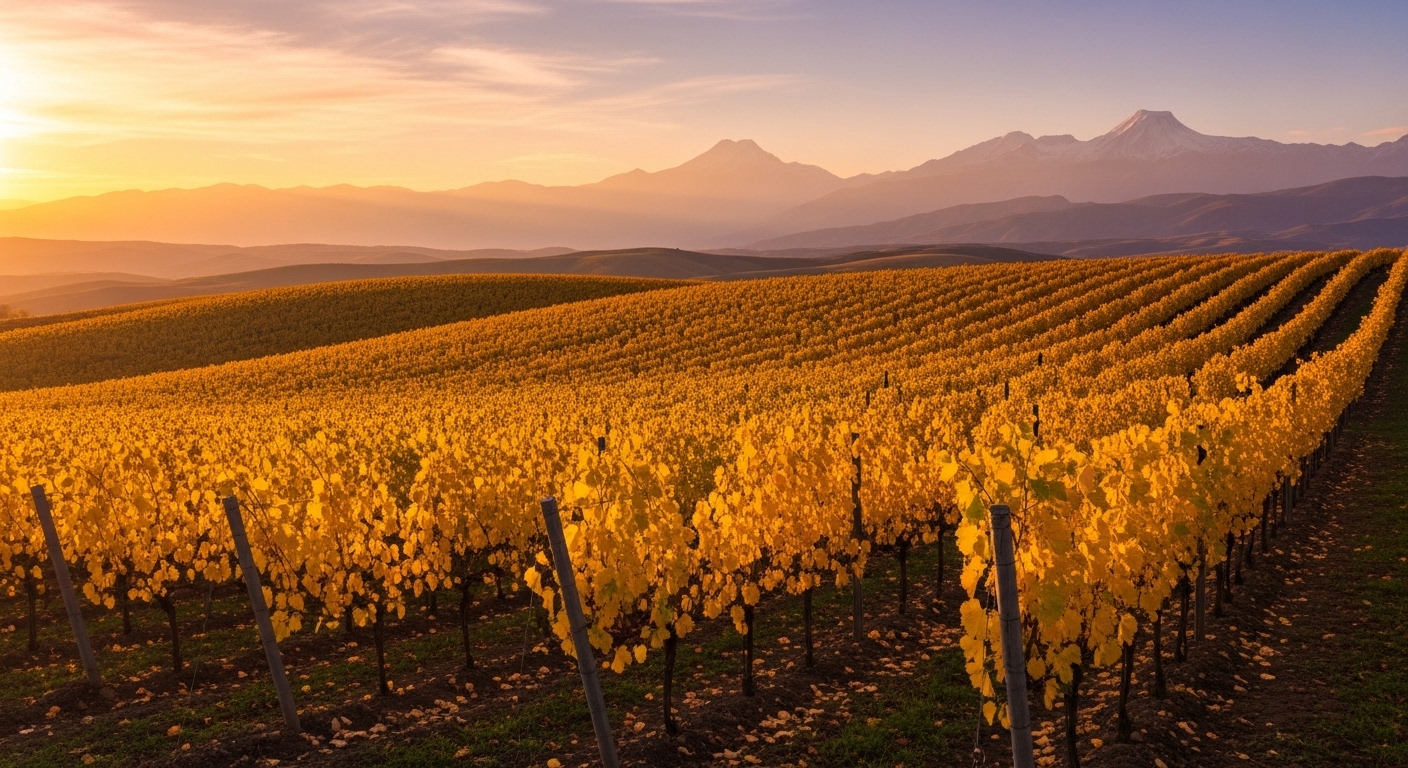
Wine lovers, history buffs, and adventure travelers alike are beginning to whisper about the Caucasus wine trails — an enchanting stretch of vineyards and valleys running from Georgia’s Kakheti region through Armenia and into the heart of Artsakh (Nagorno-Karabakh), where centuries of winemaking traditions meet mountain landscapes and warm hospitality. But what’s it really like to explore these ancient wine regions? And how do you do it safely and responsibly in a region with complex borders and histories?
The Caucasus wine trails are not just about sipping from clay qvevri (traditional fermentation vessels) or touring scenic vineyards. They’re about tasting a culture that’s been aging for 8,000 years. Yes — the world’s oldest known winemaking artifacts were discovered in Georgia’s caves, proving that the Caucasus could rightfully be called the birthplace of wine.
Where It All Begins: Georgia’s Kakheti Region
If wine has a soul, it probably lives in Kakheti. This eastern Georgian region is where vine and life intertwine — quite literally. Locals greet you with “Gaumarjos!” (Cheers!) and pour generous amounts of amber-hued wine made using the qvevri method, a UNESCO-recognized heritage craft.
Some travelers rent a car and drive the scenic Telavi–Sighnaghi route, a road framed by snowcapped Caucasus peaks and fields of vines. Others prefer hiring local guides who can introduce them to small, family-owned cellars that often don’t appear on Google Maps. Expect generous tastings, homemade cheese, and perhaps a chacha (Georgian grape vodka) challenge at the end of the evening.
Ever wondered what it feels like to drink wine that’s been fermenting underground for half a year? In Kakheti, you don’t have to wonder — you can try it.
Armenia’s Areni and Beyond: Where the Mountains Taste of Grapes
Crossing into Armenia brings a shift in scenery but not in passion. The rugged cliffs of the Vayots Dzor province hide the tiny village of Areni, home to one of the world’s oldest known wine cellars — dating back over 6,000 years. Scientists found ancient grape seeds and clay vats in a cave here, proving Armenians were vintners before Rome even dreamed of Bacchus.
Modern Areni winemakers are still crafting deep, dark reds that echo the volcanic soil and high-altitude climate. The annual Areni Wine Festival turns this quiet town into a vibrant street party — complete with dancing, folk music, and endless tastings. If you’re planning your own Caucasus wine trails itinerary, try to coincide your visit with this celebration of heritage and grape.

Into Artsakh: Tradition Amid Tension
Artsakh (also known as Nagorno-Karabakh) is one of the most fascinating — and sensitive — stops on the Caucasus wine map. With a complex political situation and ongoing territorial disputes, traveling here requires caution, research, and respect for local laws and safety advisories. As of now, travel in some parts of Artsakh may not be permitted or safe for foreign visitors, so it’s essential to check official advisories before planning a trip.
However, when conditions allow, Artsakh offers a stunning glimpse into rustic vineyards, medieval monasteries, and deeply rooted hospitality. The people here have continued making wine as an act of cultural preservation, keeping alive a craft that binds them to the land. Their wines are bold, often aged in oak, and paired with hearty dishes that reflect mountain living.
Even if you can’t visit right now, you can find Artsakh wines exported through Georgia or Armenia — a great way to support the region’s artisans while staying mindful of current circumstances.

How to Plan Your Caucasus Wine Adventure
So, how can you explore the Caucasus wine trails responsibly and safely?
- Start in Tbilisi — Georgia’s capital makes an ideal base. From here, you can book day tours to Kakheti or longer regional trips.
- Use local guides who understand border regulations and can help arrange tastings with small producers.
- Check travel advisories regularly if your route extends into Artsakh or disputed regions.
- Try local food pairings — khachapuri (cheese bread), tolma (stuffed grape leaves), and mtsvadi (grilled meat) enhance every sip.
- Respect traditions — Georgian supra (feast) culture includes long toasts; join respectfully and enjoy the rhythm of the evening.
Why These Trails Feel So Authentic
Unlike crowded European vineyards, the Caucasus offers something more intimate. You’re not just a tourist; you’re a guest. Farmers might pour you homemade wine from unlabeled bottles, talk about their grandfathers’ vines, or invite you for dinner. There’s no pretense — just people who’ve lived the story of wine for generations.
It’s not just about tasting notes — it’s about cultural connection. The Caucasus wine trails aren’t commercial; they’re communal.
Questions for You, Fellow Traveler
Would you consider exploring a region where wine is still made the way it was thousands of years ago? Does the idea of tasting “living history” appeal to you — or do you prefer modern wineries and polished tastings?
We’d love to hear your thoughts below! Have you been to Georgia, Armenia, or other underrated wine destinations? Which one stole your heart (or your palate)?
Exploring the Caucasus wine trails is more than a trip; it’s a deep dive into humanity’s relationship with land, tradition, and celebration. Every glass tells a story — of survival, creativity, and resilience. Whether you’re wandering through Kakheti’s vineyards, savoring Areni’s reds, or learning about Artsakh’s cultural revival, this journey will stay with you long after the last drop.
If you’re ready to plan your next adventure, remember that sometimes the most unforgettable destinations aren’t the easiest to reach — they’re the ones that make you feel something real. Follow us on our social media platforms for more offbeat travel stories, local insights, and sustainable travel inspiration!
Catch up on the top stories and travel deals by subscribing to our newsletter!