Ever dreamed of a journey where the rhythm of travel slows to the sound of rustling pines and distant church bells? The Monastery Loops of the Balkans aren’t your typical tourist trail—they’re a blend of sacred heritage, forest solitude, and winding roads that lead you deep into the soul of Southeastern Europe. From Serbia’s medieval frescoes to Bulgaria’s mountain hermitages, this region offers spiritual calm for curious travelers seeking something deeper.
In a world obsessed with speed, this kind of travel reminds us to pause. Whether you’re a history lover, nature enthusiast, or someone searching for introspection, the Monastery Loops of the Balkans provide a path of peace and purpose. But where should you begin? And how do you find the most rewarding loops that balance culture, nature, and a touch of adventure? Let’s explore this together.
Discovering the Spirit of the Balkans
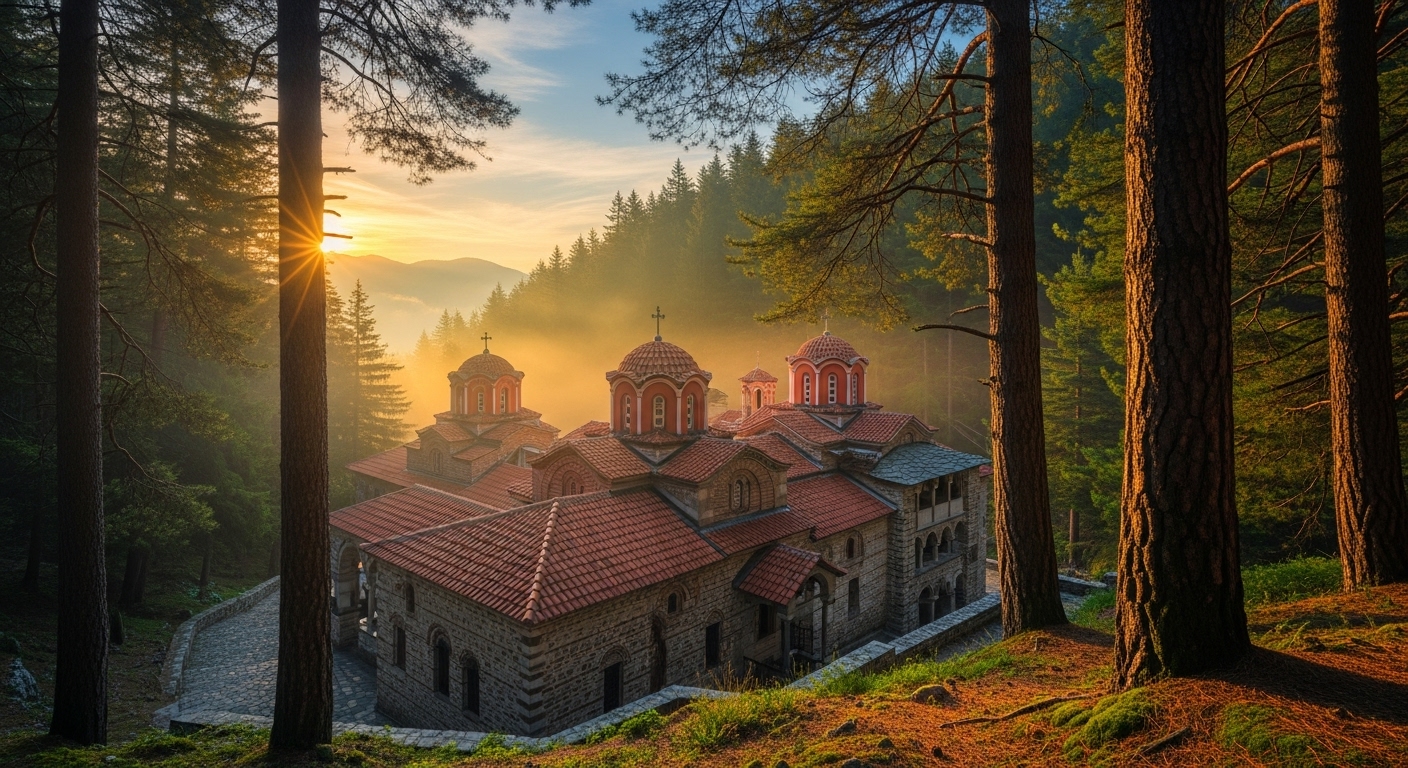
Traveling through the Balkans feels like opening an old storybook where faith, folklore, and forest coexist in harmony. Each monastery reveals a different personality—some cling to cliffs, others hide in valleys, and many are still home to monks preserving centuries-old traditions. The region’s monastic heritage isn’t only religious—it’s also artistic, architectural, and emotional. You’ll find mosaics older than empires, frescoes glowing with gold, and courtyards filled with ancient grapevines.
In Serbia, monasteries such as Studenica and Žiča stand as architectural time capsules from the 12th century, blending Byzantine and Romanesque influences seamlessly. Meanwhile, Bulgaria’s Rila Monastery delivers an entirely different mood—a fortress-like sanctuary surrounded by high mountains. Further south, Macedonia’s Treskavec Monastery perches atop rocky plains with views that stretch endlessly across the horizon. Together, these sites create a living mosaic of Balkan identity.
The Road Less Traveled: Planning Your Loop
Unlike traditional tours, the Monastery Loops of the Balkans do not follow one strict route. Instead, they form a network of scenic circuits you can shape according to your own interests—spiritual, historical, or natural. Here are a few that travelers often find unforgettable:
- Serbian Monastery Circuit: Explore Studenica, Žiča, and Sopoćani—UNESCO-protected masterpieces that define Serbia’s medieval essence.
- Bulgarian Spiritual Loop: Journey from Rila to Bachkovo to Troyan Monastery, soaking up the strong Orthodox traditions and lush mountain backdrops.
- Montenegro’s Hidden Gems: Visit Ostrog Monastery, dramatically carved into cliffs, and Moraca, quietly resting near turquoise rivers.
- Macedonian Routes: Discover Treskavec and Saint Naum, both balancing deep heritage with breathtaking natural scenery.
Each loop rewards those who take their time. You won’t find luxury resorts or crowded landmarks here. Instead, expect humble lodgings, hearty Balkan meals, and the hum of history lingering in the mountain air. In fact, the slower you travel, the more rewarding your experience becomes.
Staying Overnight in Monasteries
One of the most authentic ways to experience these loops is by staying overnight. Many monasteries still offer basic accommodations, often in exchange for a small donation. Imagine this: stone walls, candlelight dinners, home-cooked meals, and the peaceful rhythm of monastic life. Waking up to morning chants or mist rolling over forested hills feels both grounding and timeless.
However, this is not a typical hotel stay. Respect is essential. Dress modestly, speak softly, and always ask before taking photographs inside. In return, you’ll gain a profound understanding of centuries-old hospitality—something modern tourism rarely replicates.
Where History Paints the Walls
One of the most enchanting elements of the Monastery Loops of the Balkans is their art. The frescoes found here are not mere decorations—they are sacred narratives of faith, resilience, and devotion. The muted tones of natural pigments and the centuries of preservation give these works a soul of their own. Furthermore, many depict local saints, rulers, and scenes unique to Balkan folklore.
At Studenica, the Virgin with the Child fresco glows with serene elegance. In Sopoćani, the “Dormition of the Mother of God” is regarded as one of Europe’s finest medieval paintings. Meanwhile, at Rila, every wall bursts with color and symbolism, turning each corner into a living gallery. Art lovers could easily lose themselves for hours in these masterpieces.
The Natural Rhythm of the Journey
What makes these monastery loops particularly special is how they blend spirituality with nature. You might drive or cycle along quiet roads, cross rivers, and hike short trails between sites. As birds echo through the valleys and cool winds sweep through pines, every turn brings a sense of renewal. It’s a kind of travel that encourages mindfulness, especially for those tired of urban chaos.
Ideally, plan your journey during spring or early autumn. The weather is pleasant, the forests are lush, and small local festivals often align with saint days. During these events, locals may invite you to share homemade rakija, bread, and stories. Ultimately, these personal interactions enrich your experience even more.
Modern Pilgrims, Ancient Paths
Not every visitor comes for religious reasons. Many travelers describe the Monastery Loops of the Balkans as a journey inward—a kind of secular pilgrimage. You don’t have to be spiritual to feel the quiet sense of renewal that comes from walking ancient paths and connecting with timeless architecture.
Today’s travel often revolves around bucket lists and quick check-ins. However, these monastery routes invite reflection instead of rush. Whether you spend your evening journaling by candlelight, sketching a fresco, or simply sitting in silence, you’ll likely leave feeling lighter. After all, isn’t that what travel should sometimes be about?
Practical Tips for Exploring the Monastery Loops
- Transportation: A rental car or small van is ideal, though cycling routes are gaining popularity.
- Stay Local: Support family-run guesthouses or monastery lodgings whenever possible.
- Respect Customs: Cover shoulders and knees before entering religious sites. In certain places, women may need to wear headscarves.
- Cash is King: Most remote monasteries do not accept cards, so bring local currency.
- Timing: Some sites close during prayer hours—plan your visits accordingly.

The Joy of Getting Lost (and Found)
Part of the magic of the Balkans lies in its surprises. Sometimes the most memorable moments come from following an unmarked road and stumbling upon a forgotten chapel or a village café serving the best cheese pie you’ve ever tasted. The region rewards curiosity. Even when GPS fails, locals are generous guides, always ready to help with warmth and a story or two.
So, would you spend your vacation tracing the paths of monks instead of crowded highways? Would you trade Wi-Fi for mountain breezes and whispered prayers? If so, the Monastery Loops of the Balkans might just be your next unforgettable adventure.
We’d love to hear from you—would this kind of slow, soulful travel appeal to you? Share your thoughts or dream routes in the comments below! Your feedback helps inspire fellow travelers to explore deeper and travel slower. And before you go, don’t forget to follow WentWorld on our social media platforms for more unique travel stories, offbeat cultural journeys, and soulful itineraries. Let’s continue discovering the world—quietly, meaningfully, and together.
Catch up on the top stories and travel deals by subscribing to our newsletter!