As the tide rises and shorelines shift, coastal cities across the world are finding creative ways to live with the ocean rather than fight against it. What was once a battle between land and sea is becoming a dance—a blend of engineering, ecology, and public art. Welcome to the world where seawalls meet boardwalks, and climate adaptation becomes a destination worth visiting.
From the wave-resistant promenades of the Netherlands to New York’s visionary waterfront parks, these coastal climate projects show how human ingenuity can protect, adapt, and even celebrate the changing oceanfront. For travelers, they offer more than scenic views—they’re immersive lessons in how cities are reimagining resilience.
When the Coast Fights Back
Rising sea levels and stronger storms have made traditional coastal defenses—concrete barriers, breakwaters, and dikes—insufficient. Today’s architects and engineers are creating a new generation of seawalls that do more than block waves. They invite people to walk on them, rest on them, and learn from them. And in many cities, these walls evolve into boardwalks—public spaces that bring communities closer to the water they once feared.
This shift marks a powerful change in mindset: instead of hiding climate infrastructure, cities are showcasing it. The results are stunning—living coastlines, artful promenades, and floating parks that balance protection with pleasure.
Rotterdam: Where Engineering Meets Everyday Life
In the Netherlands, a country synonymous with water management, Rotterdam leads the way in coastal innovation. The city’s Delta Works—a vast system of storm surge barriers and seawalls—has long been a global model. But recent projects have gone a step further, merging functionality with beauty.
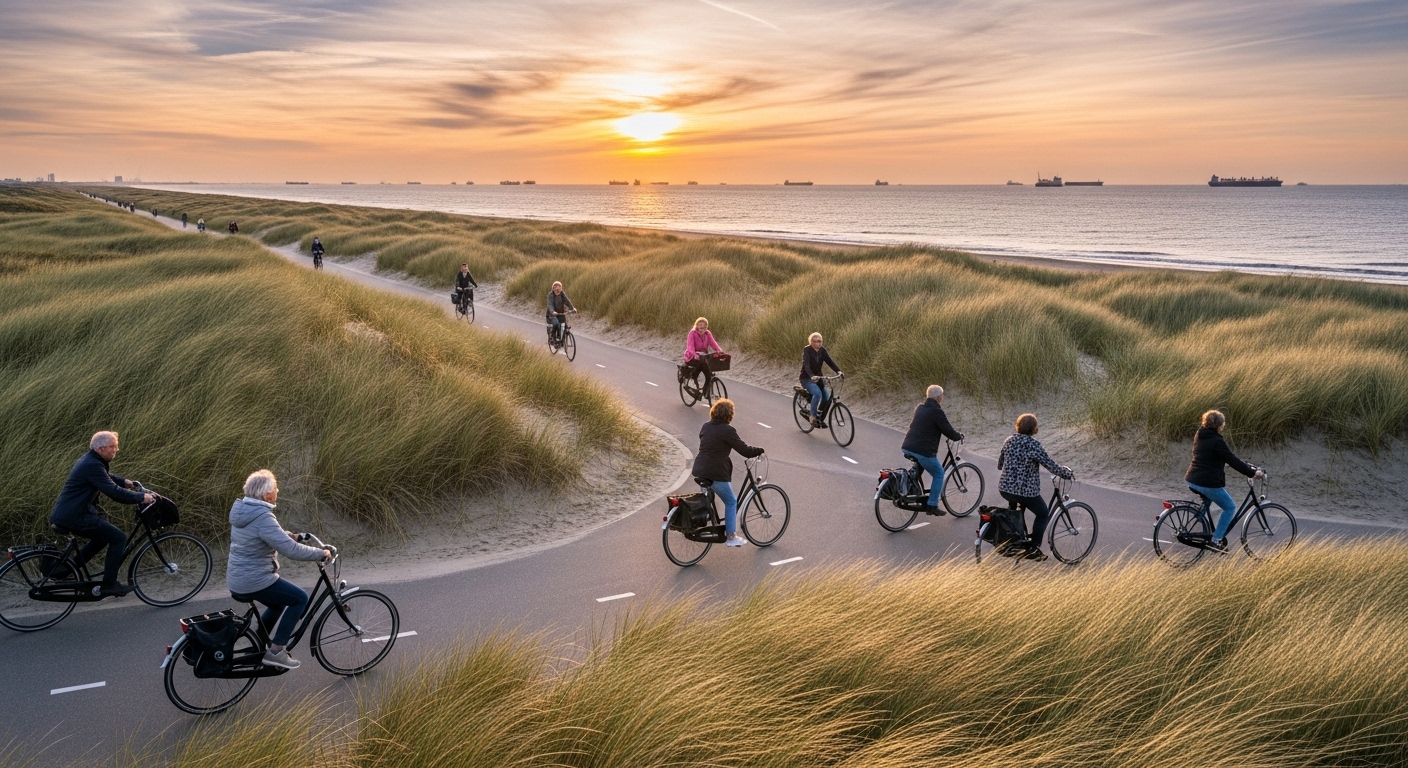
At the Maasvlakte 2 extension, Rotterdam’s engineers constructed an artificial peninsula that expands the city’s port while doubling as a natural buffer against the sea. Visitors can cycle or walk along its wide dunes, watch massive container ships pass, and explore interactive exhibits explaining how the city safeguards itself from the North Sea.
Further inland, the Water Square Benthemplein (famous in sponge city design) complements the city’s climate approach by retaining excess rainwater. Together, these projects form an urban narrative—Rotterdam doesn’t just survive the sea; it invites you to experience how it thrives beside it.
New York City: The Big U and Beyond
When Hurricane Sandy hit New York in 2012, it exposed the vulnerability of one of the world’s most iconic coastlines. Out of that devastation came an ambitious vision: the Big U. This 10-mile ring of parks, berms, and seawalls wraps around Lower Manhattan, protecting neighborhoods while creating new recreational and green spaces.

Part of the Big U, the East Side Coastal Resiliency Project, transforms the once flood-prone East River waterfront into a resilient park. Elevated landscapes, resilient playgrounds, and multipurpose floodwalls serve both safety and leisure. When storms come, they protect. When skies clear, they host joggers, artists, and families.
For travelers, walking this stretch of the East River is an urban design tour in itself—one that combines climate awareness with community spirit. Few places in the world turn infrastructure into such an inspiring public experience.
Singapore: The City That Greets the Sea
In tropical Singapore, where rainfall and rising tides pose twin challenges, the city-state has built its identity on resilience. Along Marina Bay, the Marina Barrage acts as both seawall and attraction. This architectural marvel regulates tidal flows while providing one of the best picnic spots in the city, complete with panoramic views of the skyline and water.

The Barrage is part of Singapore’s larger Active, Beautiful, Clean Waters (ABC Waters) initiative, which connects engineering, ecology, and recreation. Visitors can rent kayaks, visit the Sustainable Singapore Gallery, or simply watch how water levels shift with precision during tropical downpours.
In many ways, Singapore has turned coastal climate adaptation into an art form—one that tourists can experience firsthand.
Tokyo Bay: Walls Beneath the Waves
Tokyo, too, faces the ocean’s power with innovation. Much of the city’s coastal infrastructure lies beneath or behind urban life, but some sections of the Tokyo Bay Seawall are visible and visitable. The wall stretches along the bay’s edge, reinforced after the 2011 tsunami to withstand future surges.
What’s remarkable is how the city integrates these defenses with livable space. Waterfront promenades and observation decks allow residents and tourists to see how the seawall functions while enjoying views of Rainbow Bridge and the Tokyo skyline. It’s a quiet yet profound reminder of coexistence with nature’s force.
Venice: MOSE—The City That Refuses to Sink
Few cities symbolize the struggle against the sea like Venice. For centuries, its beauty has battled rising tides. The MOSE Project (Modulo Sperimentale Elettromeccanico) represents Venice’s boldest defense yet—a system of mobile barriers that can close the lagoon’s inlets during extreme tides, temporarily isolating the city from the Adriatic Sea.
Though MOSE is primarily an engineering marvel, parts of the project are visible to the public. Visitors can take boat tours around the lagoon to learn how the gates rise from the seabed. Combined with Venice’s ongoing restoration of marshes and lagoon ecosystems, this initiative blends technology with environmental care.
For travelers, it’s a rare chance to witness climate adaptation at its most dramatic—ancient architecture meeting modern resilience.
Australia: Living Seawalls and Eco-Shorelines
In Sydney and Melbourne, scientists and designers are transforming traditional concrete barriers into Living Seawalls—structures that mimic the textures of natural rock, allowing marine life to thrive. These modular panels provide protection while supporting biodiversity, proving that coastal defenses don’t have to be lifeless walls.
Visitors can explore pilot sites along Sydney Harbour, where the seawall teems with algae, barnacles, and small fish. Interpretive signs explain how these projects combine marine ecology with urban design. The experience feels less like visiting infrastructure and more like walking through a living museum of ocean science.
London: Thames Barrier and Future Flood Parks
The Thames Barrier remains one of the world’s most iconic flood defenses. Completed in 1982, it continues to protect London from storm surges. But the city is already looking ahead. New “floodable parks” along the Thames Path—like Thamesmead and Greenwich Peninsula—are being designed to absorb overflow during heavy rain while offering green recreation space the rest of the year.
For visitors, the Thames Barrier Park offers a perfect vantage point to watch this engineering masterpiece in action. The sleek, futuristic gates rising from the river embody both power and grace—a symbol of how cities can defend without disconnecting from nature.
Designing with the Tide: How Seawalls Become Boardwalks
Modern seawalls aren’t just about height and strength—they’re about interaction. Designers are increasingly turning them into boardwalks that invite the public to engage with the coast safely. By softening slopes, adding seating areas, and integrating vegetation, engineers create transitions rather than boundaries.
In Copenhagen’s Nordhavn district, wide concrete steps lead directly to the harbor, allowing swimmers and sunbathers to enjoy the water while doubling as flood defenses. In Miami Beach, raised streets and waterfront promenades protect against king tides while offering oceanfront cafes and art installations.
This blending of protection and play transforms once-forbidden zones into lively, inclusive spaces that celebrate coastal living in a warming world.
Eco-Tourism Meets Climate Design
As global awareness of climate change grows, travelers are seeking destinations that model resilience and innovation. Visiting seawalls, boardwalks, and coastal climate projects isn’t just sightseeing—it’s learning in motion. Many cities now offer guided tours explaining how their waterfronts adapt to sea-level rise.
In the Netherlands, the Delta Experience museum near Neeltje Jans offers immersive exhibits about storm surges. In New York, the Waterfront Alliance hosts walking tours through restored wetlands and resilient shorelines. Singapore’s Marina Barrage provides educational workshops for families and students. These experiences make sustainability tangible and inspiring.
Challenges Along the Coastline
Despite progress, coastal adaptation faces major challenges—rising costs, maintenance needs, and the balance between public access and protection. Some critics worry that high-tech seawalls may give a false sense of security if sea-level rise accelerates faster than predicted. Others argue for “managed retreat”—moving communities inland instead of continually reinforcing coasts.
Still, the cultural and emotional value of waterfronts remains undeniable. For millions, the coast is home, identity, and livelihood. The new generation of boardwalks and living seawalls honors that bond while preparing for the future.
From Protection to Connection
Ultimately, the shift from seawalls to boardwalks reflects a deeper transformation—from protection to connection. Instead of hiding defenses, cities are integrating them into daily life, creating spaces that educate and inspire. Travelers walking these coastlines become part of a larger story—one of adaptation, creativity, and hope.
When you stroll along a flood-resistant park in New York or watch waves lap against a living seawall in Sydney, you’re not just sightseeing. You’re witnessing the future of urban design—where every tide tells a story of resilience.
Next time you plan a seaside getaway, think beyond beaches and sunsets. Explore the places where cities meet the sea with imagination and courage. Visit the Marina Barrage in Singapore, bike along Rotterdam’s coastal dunes, or relax on Copenhagen’s harbor steps. These are not just defenses—they’re destinations.
The line between seawalls and boardwalks is blurring, and that’s something to celebrate. Because in the age of climate change, the most beautiful coasts aren’t the ones untouched by the sea—they’re the ones that learn to live with it.
Catch up on the top stories and travel deals by subscribing to our newsletter!