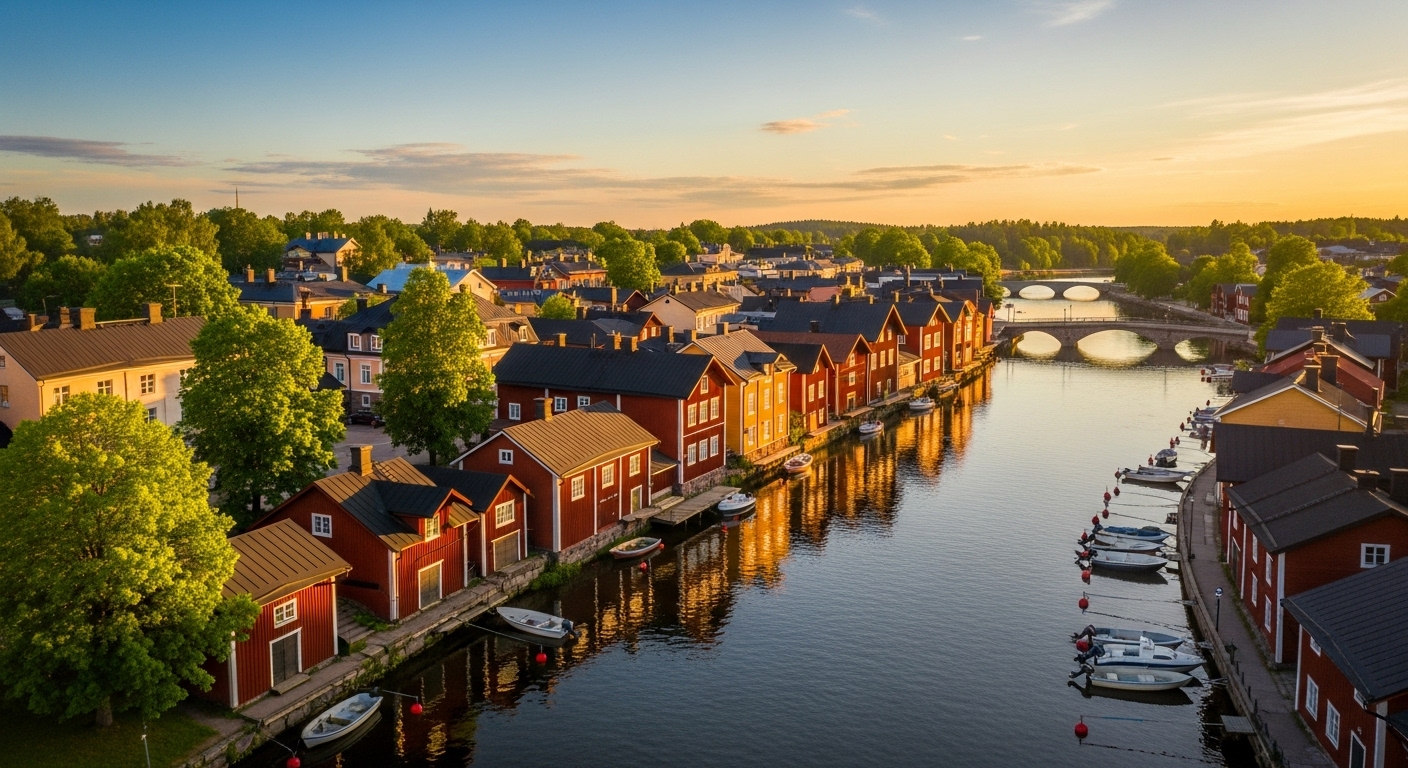
There’s something deeply comforting about the creak of wood beneath your feet, the scent of pine in the air, and the timeless beauty of buildings that breathe along with their surroundings. Around the world, architects are rediscovering the charm and sustainability of timber — but in some places, wood was never forgotten. Welcome to the world of timber towns, where traditional craftsmanship meets modern design, and every structure tells a story of the land it stands on.
If you’ve ever wondered where you can stroll through entire cities built from wood — places that balance culture, history, and environmental consciousness — then this journey is for you. From Norway’s stave churches to Japan’s intricate wooden temples and contemporary eco-homes, timber towns reveal how humanity and nature can coexist beautifully.
The Allure of Timber: More Than Just Architecture
Before diving into the destinations, let’s talk about why wood holds such enduring appeal. Beyond its visual warmth, timber connects us to something primal — a living material that grows, breathes, and ages gracefully. Have you ever noticed how a wooden home feels “alive”? It’s not your imagination. Wood regulates humidity, improves air quality, and even has psychological effects that make people feel calmer and happier.
In an era obsessed with steel and concrete, timber towns are gentle reminders that modern living doesn’t have to mean sterile environments. Scandinavian architects often call wood “the material of the future,” not just because it’s renewable, but because it offers a soul that other materials can’t match.
Scandinavia’s Wooden Heritage: The Nordic Heart of Timber Towns
Scandinavia might be the best place on Earth to begin your timber journey. The region’s long, dark winters, abundant forests, and strong carpentry traditions have shaped communities that live harmoniously with nature. From historic stave churches to contemporary wooden skyscrapers, wood is not only heritage here — it’s innovation.
Bergen, Norway – Where Wood Meets the Sea
Bergen’s UNESCO-listed Bryggen Wharf is one of Norway’s most iconic wooden landmarks. Dating back to the Hanseatic era, these colorful timber warehouses have survived fires, storms, and centuries of trade. As you walk through the narrow alleys, you can almost hear echoes of merchants bartering in old Norse tongues.
Today, Bergen blends this wooden past with modern eco-conscious design. The city’s new developments embrace local spruce and pine, proving that tradition and technology can coexist beautifully. If you time your visit right, you might even catch the evening glow reflecting off the wharf — a reminder that sustainability can also be stunning.
Røros, Norway – A Living Museum of Timber Life
Further inland lies Røros, a UNESCO World Heritage town made almost entirely of wood. Once a copper mining settlement, its 17th-century timber homes and shops remain remarkably preserved. Visiting Røros feels like stepping into a time capsule where every building has a story. Locals still heat their homes with wood-burning stoves, and artisans handcraft furniture using age-old joinery techniques.
For travelers seeking authenticity, Røros is one of the purest timber towns in existence — living proof that sustainability isn’t a modern invention but a way of life that never needed reinventing.
Sweden’s Falun and the Rise of Wooden Design Culture
In Sweden, the color red means more than beauty — it means tradition. The famous Falun Red paint, made from copper mine byproducts, coats countless wooden homes across the country. Falun itself is a celebration of timber culture, with its cozy cabins and architectural pride. Nearby cities like Växjö are experimenting with mass timber construction, turning wood into the backbone of 21st-century sustainability.
Sweden’s architects are reimagining what wood can do — from carbon-negative apartment complexes to cross-laminated timber towers. If you’re fascinated by how ancient materials inspire modern design, Sweden is your classroom.
Finland’s Forest Towns and Wooden Saunas
Finland may be called the “land of a thousand lakes,” but it could just as easily be the “land of a million logs.” Nearly every Finnish home incorporates wood in some form — walls, floors, even the famous saunas. Visit towns like Porvoo, with its pastel-colored riverfront wooden houses, or Fiskars Village, home to artisans who turn forest materials into design masterpieces.
What’s particularly inspiring is how Finland links wood to wellness. Stepping into a sauna built entirely from birch or pine isn’t just a tradition — it’s a ritual of rebirth. Every breath you take inside those walls feels like inhaling centuries of craftsmanship.
Crossing Continents: Japan’s Reverence for Timber
From Scandinavia’s forests, let’s travel east to Japan — another civilization where wood forms the backbone of culture. In Japan, timber is not just a building material; it’s a philosophy. The concept of Wabi-Sabi — beauty in imperfection — is best expressed through wood’s natural aging. Every knot, crack, and patina tells a story.
Takayama: Japan’s “Little Kyoto” of Wood
Takayama, located in the Japanese Alps, is a dream for anyone who loves timber towns. Its Edo-period wooden merchant houses line narrow streets that seem frozen in time. The scent of cedar mingles with the aroma of street food, and the sound of wooden wheels on cobblestones feels almost musical.
Visitors can explore centuries-old inns (ryokans), shrines, and craft shops still maintained using traditional carpentry methods. Even new buildings honor old aesthetics, showing that progress doesn’t have to erase the past.

Kyoto’s Wooden Spirit: Temples and Tea Houses
Kyoto might be Japan’s most famous wooden wonderland. From the iconic Kiyomizu-dera temple, built entirely from wood without a single nail, to the serene tea houses of Gion, every corner radiates serenity. Walk through the wooden corridors of Nijo Castle, and you’ll hear “nightingale floors” chirp — a security feature and poetic sound rolled into one.
For architecture lovers, Kyoto is living proof that wood can last millennia when cared for properly. It’s also a masterclass in how environment, craftsmanship, and spirituality can intertwine.
Nara and the World’s Largest Wooden Building
Just an hour from Kyoto, the Todai-ji temple in Nara houses the world’s largest bronze Buddha — and is itself the largest wooden building ever constructed. Standing beneath its towering beams, you can’t help but marvel at how such structures were built long before cranes or concrete existed.
Japan’s reverence for wood extends beyond religion. It’s found in homes, schools, even skyscrapers made with engineered timber — part of a nationwide effort to reduce carbon emissions through natural materials.
Timber’s Modern Revival: Sustainability and Style
In both Scandinavia and Japan, a fascinating trend is emerging: wood is making a comeback not just as heritage, but as high-tech innovation. Architects are using engineered wood products like cross-laminated timber (CLT) to build taller, stronger, and more sustainable structures. Imagine wooden skyscrapers that are fire-resistant, earthquake-safe, and carbon-neutral — once a dream, now a growing reality.

Timber is no longer seen as “old-fashioned.” It’s the foundation of a greener, warmer future. As global travelers seek more meaningful experiences, timber towns offer something rare: authenticity that doesn’t compromise comfort or conscience.
How to Explore Timber Towns: A Traveler’s Guide
Want to plan your own wooden world tour? Here are some tips:
- Start in Scandinavia: Visit Bergen and Røros in Norway, then explore Sweden’s Falun and Finland’s Porvoo.
- Fly to Japan: Discover Takayama, Kyoto, and Nara for a deep dive into Asian timber heritage.
- Travel slow: Stay in family-run wooden lodges or ryokans. These places often double as living museums.
- Engage with artisans: Take woodworking or lacquer workshops to appreciate the craftsmanship firsthand.
- Look for eco-labels: Many wooden accommodations highlight sustainable forestry and local materials.
Why Timber Towns Matter in a Changing World
As cities expand and glass towers rise, timber towns remind us that architecture can be both innovative and intimate. They prove that “progress” doesn’t mean abandoning tradition — sometimes, it means rediscovering it. Wooden architecture carries lessons about patience, imperfection, and the beauty of working with nature rather than against it.
So next time you travel, ask yourself — would you rather sleep in a lifeless concrete box or a home that hums with history? If your heart says “wood,” maybe it’s time to plan your next journey among the timber towns of the world.
Which of these wooden wonders would you love to visit first — Scandinavia’s cozy cabins or Japan’s serene temples? Share your thoughts in the comments below, and tell us your favorite wooden place you’ve ever seen! Don’t forget to follow us on our social media platforms for more beautiful travel stories, design inspiration, and sustainable journey ideas.
Catch up on the top stories and travel deals by subscribing to our newsletter!