Imagine walking through a landscape that looks like it belongs to another planet — jagged stone towers reaching for the sky, deep sinkholes plunging into the earth, and caves carved by water over millions of years. These are the breathtaking realms of karst wonders, nature’s hidden masterpieces sculpted by time, rain, and rock.
Whether you’re a curious traveler, a geology enthusiast, or simply someone who loves exploring places that feel magical, karst landscapes promise unforgettable adventures. From the limestone pinnacles of China’s Stone Forest to the deep blue cenotes of Mexico and the dramatic caves of Slovenia, these natural formations tell stories that stretch back to Earth’s earliest days.
So, what exactly makes these places so extraordinary? Let’s dive deep — literally — into the mysterious world of karst wonders and discover why they’re some of the most awe-inspiring destinations on our planet.
What Exactly Are Karst Wonders?
Before packing your hiking boots and headlamp, it helps to understand what makes a landscape “karst.” The term comes from the Karst Plateau in Slovenia and Italy — the region that gave this terrain type its name. Karst landscapes form when slightly acidic water dissolves soluble rocks like limestone, dolomite, or gypsum, creating an underground network of caves, sinkholes, disappearing rivers, and strange stone formations on the surface.
Over millions of years, these processes produce natural wonders that defy imagination: cave systems longer than subway networks, sinkholes so large they form their own ecosystems, and pillars of stone that rise like sculptures crafted by nature’s hand. Together, they create some of Earth’s most dramatic scenery — and a few of its most fragile ecosystems.
The Stone Forests of China: A Karst Wonderland
If there’s one place that defines karst wonders, it’s China’s Shilin Stone Forest in Yunnan Province. Here, limestone towers jut from the ground like an ancient city turned to stone. Walking through Shilin feels like wandering a lost world, where every turn reveals another surreal shape: a dragon, a sword, a temple — all carved by rain and time.
Local legends tell of spirits turned into stone, while scientists point to millions of years of erosion and tectonic uplift. Either way, the Stone Forest is a must-see for anyone fascinated by geology or simply seeking one of the most photogenic landscapes on Earth. The area also includes underground caves and natural bridges that add depth (literally) to your exploration.
Vietnam’s Ha Long Bay: Karst Towers Rising from the Sea
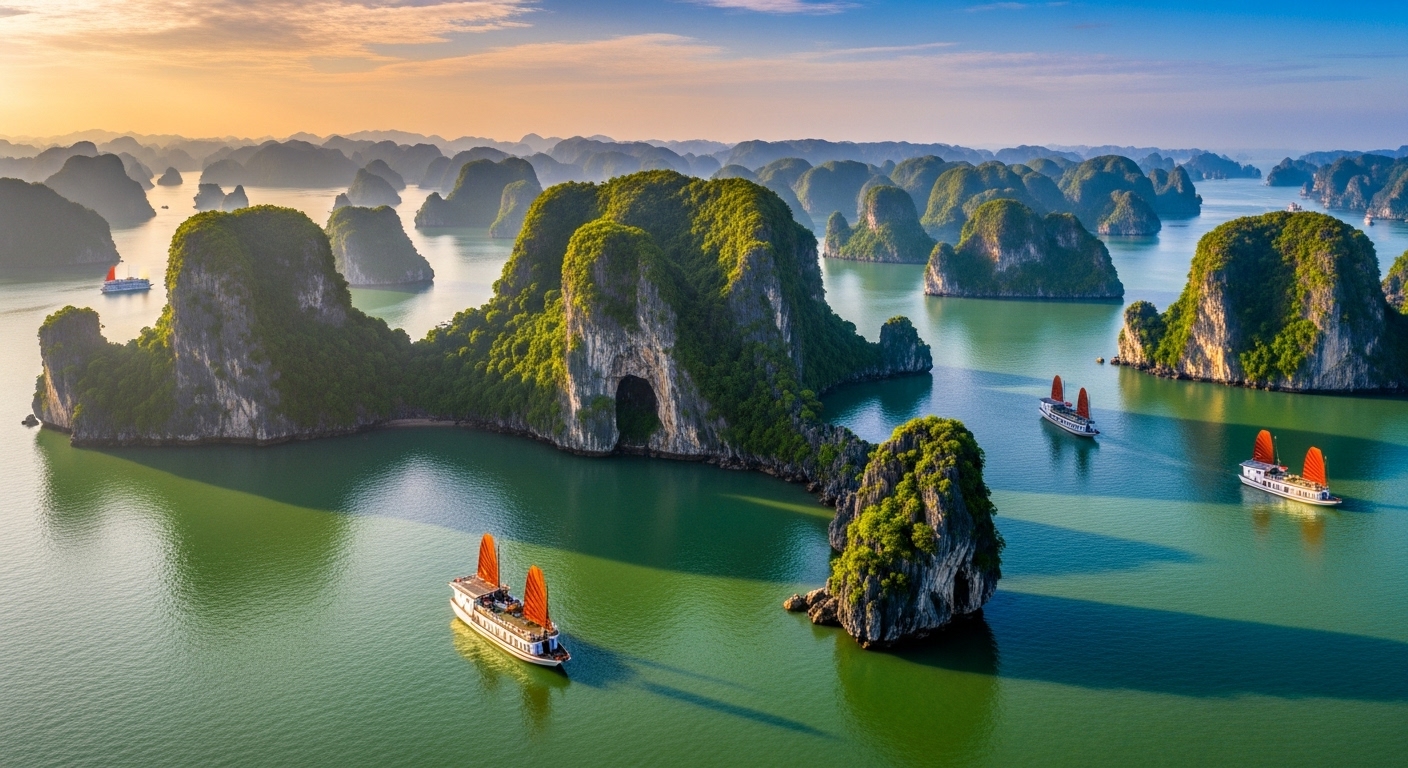
Few places on Earth are as instantly recognizable as Ha Long Bay in Vietnam. Its emerald waters dotted with towering limestone islands create one of the world’s most famous seascapes. But what most visitors don’t realize is that Ha Long Bay is a massive karst wonder formed by the same dissolving action of water that creates caves and sinkholes — only here, it happens beneath the sea.
Over 1,600 islands and islets rise dramatically from the water, creating hidden lagoons and caves waiting to be explored by kayak or small boat. Ha Long Bay isn’t just a UNESCO World Heritage Site — it’s a natural classroom showing how water, rock, and time combine to shape our planet’s most beautiful coastlines.
Mexico’s Yucatán Peninsula: Diving into the Karst Beneath
In Mexico, karst doesn’t just shape the land — it shapes the culture. The Yucatán Peninsula is dotted with thousands of cenotes, natural sinkholes filled with crystal-clear groundwater. These cenotes were sacred to the ancient Maya, who saw them as portals to the underworld.
Today, they’re portals to another kind of adventure. You can snorkel or dive through underwater cave systems where sunlight filters through openings, illuminating ancient stalactites and hidden chambers. Cenotes like Ik Kil, Dos Ojos, and the Grand Cenote near Tulum are among the most stunning examples of karst wonders accessible to travelers.

And the best part? Many cenotes are connected by underground rivers — a reminder that what we see on the surface is only a glimpse of the vast world beneath our feet.
Slovenia’s Karst Heartland: Where It All Began
The word “karst” may come from Slovenia, but the landscapes themselves look like something from fantasy. The Postojna Cave system is one of the largest in the world, stretching over 24 kilometers of tunnels and chambers. Visitors can even take an underground train through parts of the cave — one of the only such experiences in the world!
Nearby, the Škocjan Caves are a UNESCO World Heritage Site known for their massive underground canyon, waterfalls, and echoing caverns. And above ground, you’ll find disappearing rivers and green valleys that vanish into sinkholes. Slovenia’s karst region is a true geological playground, ideal for travelers who love both exploration and education.
Turkey’s Cappadocia: Fairy Chimneys and Hidden Caves
At first glance, Cappadocia might not seem like a typical karst landscape — its soft volcanic tuff rather than limestone. But the processes that shaped it are similar. Over millennia, wind and rain eroded the rock into whimsical shapes known as “fairy chimneys.” Locals carved homes, churches, and entire underground cities into them, blending nature’s art with human creativity.
Exploring Cappadocia’s valleys is like stepping into a surreal dreamscape, especially at sunrise when hundreds of hot-air balloons float above the chimneys. It’s a different expression of karst wonders — one that combines geology and human ingenuity in equal measure.
USA’s Mammoth Cave and the Sinkholes of Kentucky
Closer to home for American travelers, Kentucky’s Mammoth Cave National Park is the longest known cave system in the world, with more than 400 miles of explored passageways — and counting. Beneath the rolling hills of the Green River Valley lies a vast labyrinth of chambers, rivers, and stalactite formations.
Above ground, sinkholes dot the landscape, some forming small ponds or collapsed caverns. The entire region is part of the Pennyroyal Plateau, one of North America’s most significant karst wonders. Whether you’re hiking, kayaking, or taking a guided cave tour, Mammoth Cave offers a glimpse into the hidden architecture of our planet.
Europe’s Hidden Karst Gems: Croatia and Italy
Karst landscapes aren’t limited to dramatic caves — sometimes, they’re quiet beauty hidden in plain sight. In Croatia, the Plitvice Lakes National Park showcases how karst topography creates cascading waterfalls and turquoise pools connected by natural travertine barriers. Every step feels like walking through a living watercolor painting.
Meanwhile, in Italy’s Apulia region, karst has shaped the Valle d’Itria, home to the iconic trulli houses with their conical limestone roofs. These structures are both functional and beautiful — keeping interiors cool in summer and warm in winter, a design born directly from the land itself.
Karst in Motion: Why These Landscapes Are Always Changing
One of the most fascinating aspects of karst wonders is that they’re never truly finished. Every drop of rain, every flowing river, continues to carve, dissolve, and reshape these landscapes. Some caves still grow new stalactites, while others collapse into new sinkholes. Visiting these sites feels like witnessing geology in real time.
But that also means they’re fragile. Human activity, pollution, and careless tourism can easily damage karst ecosystems. The same porous rock that makes these landscapes so beautiful also makes them vulnerable — water carries contaminants deep underground, affecting entire regions. Responsible travel here isn’t just an option; it’s a necessity.

Tips for Exploring Karst Wonders Responsibly
- Join guided tours: Many karst sites are delicate. Local guides ensure you explore safely without causing harm.
- Respect restricted areas: Some caves or formations are closed for restoration or safety — follow posted rules.
- Don’t touch cave formations: Oils from human skin can stop stalactite growth permanently.
- Support conservation efforts: Choose eco-certified tours and donate to local preservation projects.
- Travel light and sustainably: Pack reusable bottles, avoid single-use plastics, and leave no trace behind.
The Spiritual and Emotional Pull of Karst Landscapes
There’s something deeply humbling about standing at the mouth of a vast cave or peering into a sinkhole that disappears into darkness. Karst wonders remind us how small we are — and how connected we are to the forces that shape our world. These places inspire a kind of quiet awe, the same feeling ancient people must have felt when they saw them for the first time.
It’s no wonder so many cultures associate caves and sinkholes with myths of gods, spirits, and creation. In their depths, we see both the mystery and the endurance of nature — a balance of power and peace.
Ready to Explore? Here’s Where to Start
If this has sparked your wanderlust, consider adding a few of these destinations to your future travel plans:
- Asia: Shilin Stone Forest (China), Ha Long Bay (Vietnam), and Phong Nha Caves (Vietnam)
- Europe: Postojna and Škocjan Caves (Slovenia), Plitvice Lakes (Croatia)
- North America: Mammoth Cave (USA), Cenotes of the Yucatán (Mexico)
- Unique Picks: Fairy Chimneys of Cappadocia (Turkey), Puerto Princesa Underground River (Philippines)
Each of these places offers a chance to experience nature’s architecture at its most spectacular — shaped not by human hands, but by patience, water, and stone.
Which of these karst wonders would you explore first? Would you dive into a cenote, hike a stone forest, or wander through an ancient cave system? Share your dream destination or your favorite karst adventure in the comments — we’d love to hear your stories! And don’t forget to follow us on our social media platforms for more travel inspiration, nature stories, and hidden world wonders waiting to be explored.
Catch up on the top stories and travel deals by subscribing to our newsletter!